Knesset Vote on Oct. 7 Probe Plan Exposes a Nation Still at War With Itself
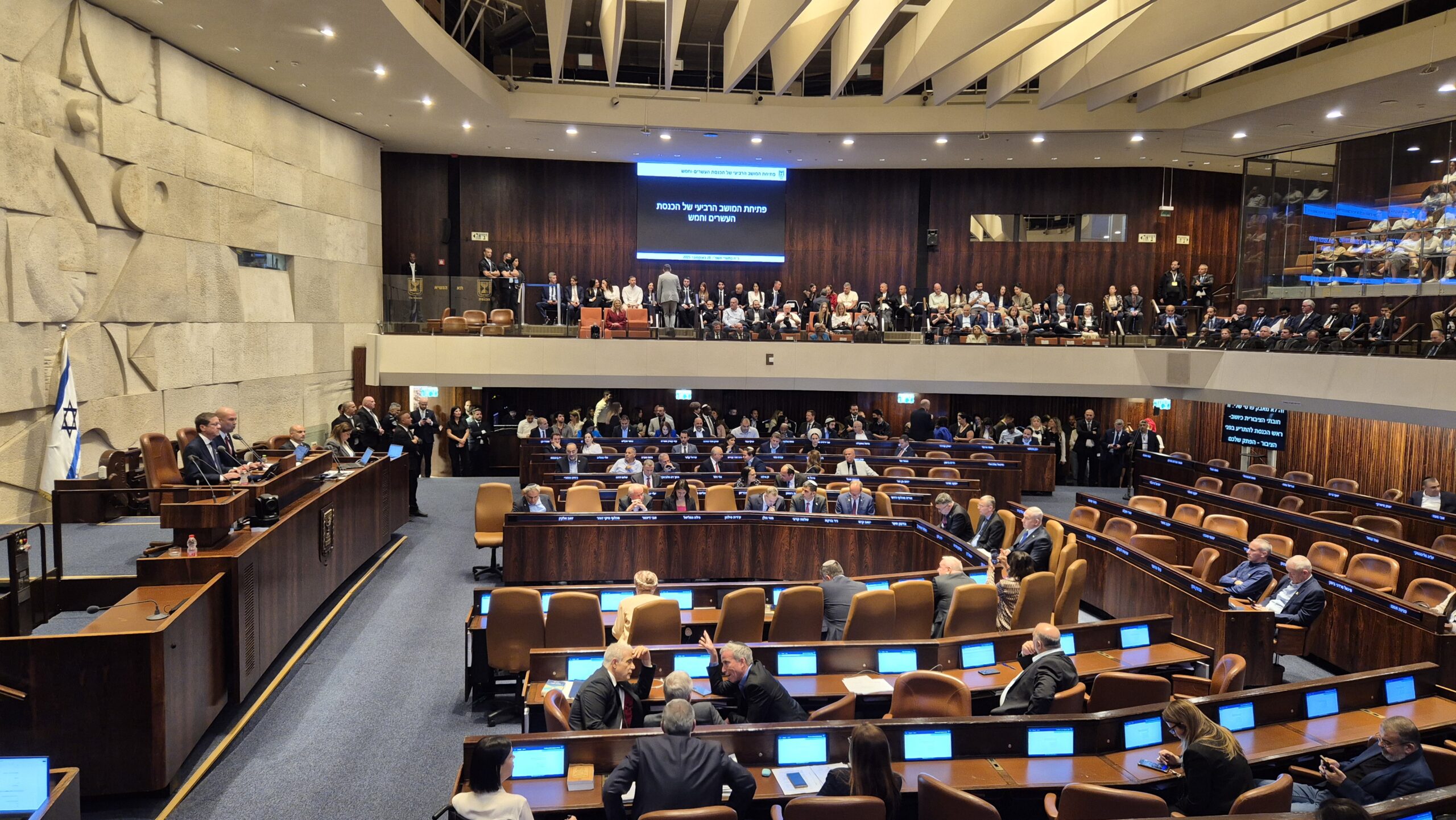
In Gabriel Colodro’s account from the Knesset, Israel’s argument over Oct. 7 accountability stops being an abstract civics lesson and becomes a raw, televised family fight—complete with bereaved parents holding photos in the gallery and opposition lawmakers tearing up the bill on the floor.
The coalition advanced a first-reading measure—53 for, 48 against, one abstention—to create a “state-national investigative commission” into the Oct. 7 massacre and the Gaza war, but with a major twist: it cuts the Supreme Court of Israel out of appointing or overseeing the panel. Likud lawmaker Ariel Kallner sold it as a confidence-building alternative in a country where many no longer trust the court, citing the US 9/11 Commission as a bipartisan model and reading a petition he said was signed by hundreds of bereaved relatives.
Give the gift of hope
We practice what we preach:
accurate, fearless journalism. But we can't do it alone.
- On the ground in Gaza, Syria, Israel, Egypt, Pakistan, and more
- Our program trained more than 100 journalists
- Calling out fake news and reporting real facts
- On the ground in Gaza, Syria, Israel, Egypt, Pakistan, and more
- Our program trained more than 100 journalists
- Calling out fake news and reporting real facts
Join us.
Support The Media Line. Save democracy.

Critics see something else: politicians designing the rules for investigating politicians. The proposal gives elected officials heavy influence not only over appointments—via the Knesset Speaker, factional picks, and even co-chairs—but also over the mandate, explicitly allowing the executive to expand or narrow what gets examined as the inquiry proceeds.
Rafi Ben Shitrit, whose son Sgt. Elroy Ben Shitrit was killed near the Gaza border, called the plan “a political committee,” arguing that Israel already has a law for state commissions of inquiry, and warning that this framework lets those under scrutiny box in the truth. Deputy Minister Almog Cohen fired back with a blistering speech, accusing security and judicial figures of self-protection and demanding prison time for those responsible.
Opposition leader Yair Lapid pointed to the empty prime minister’s seat, accusing Prime Minister Benjamin Netanyahu of running from responsibility and ridiculing attempts to stretch blame backward for decades.
The bill heads to committee, with court petitions looming and no sign of consensus. Read the full piece for Colodro’s play-by-play of a democracy still fighting over how to ask its hardest questions.
