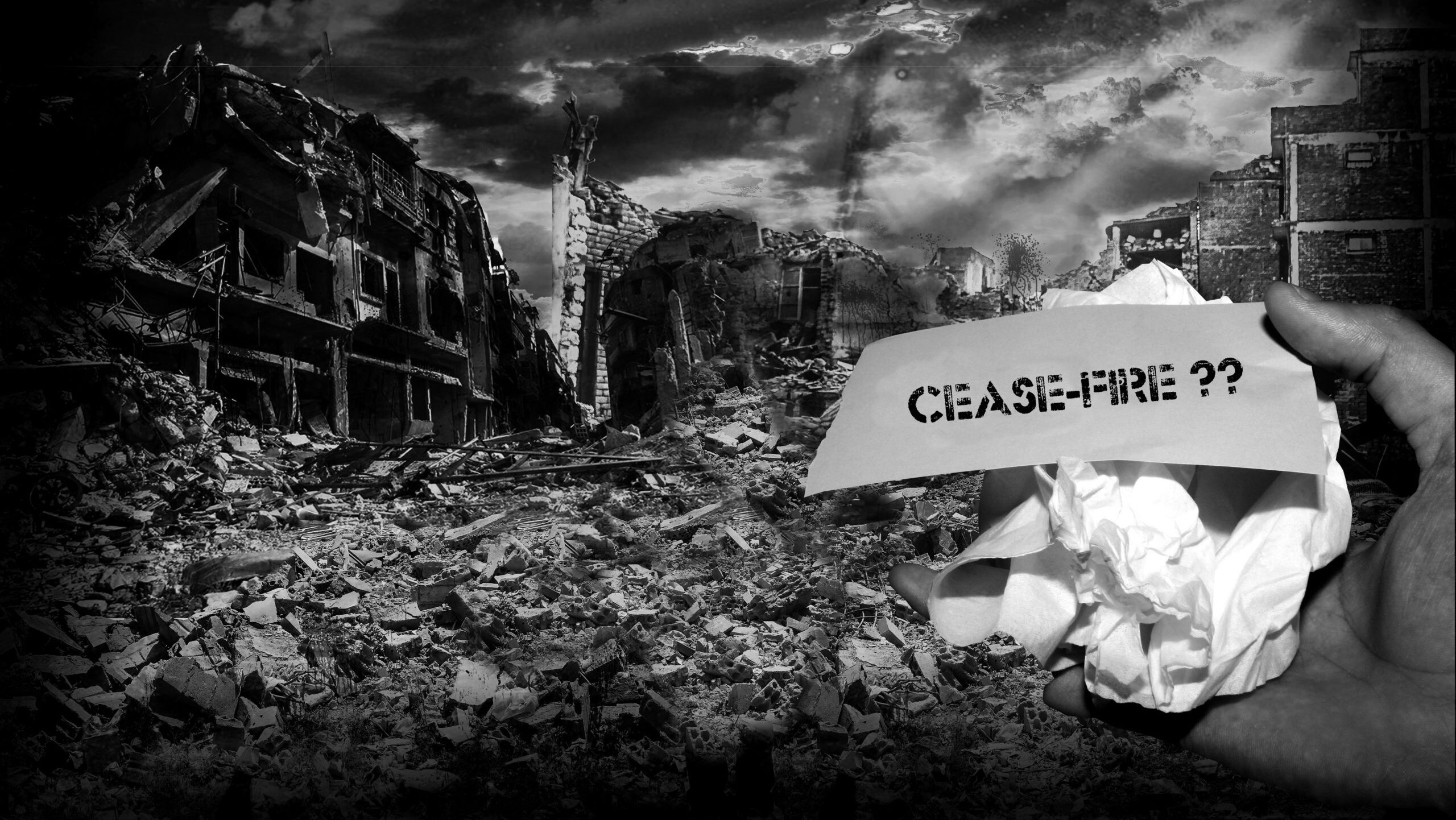
Libya Council Backs Cease-Fire, Hails ‘National Efforts’ in Tripoli
Libya’s High Council of State on Sunday endorsed a cease-fire that took effect a day earlier in the capital, saying it strengthens state authority by returning Mitiga Airport and an adjacent prison to government control. The truce, struck between the UN-recognized Government of National Unity (GNU) and the Special Deterrence Force (Radaa), was brokered and guaranteed by Turkish intelligence after months of friction erupted into clashes in early September.
Mitiga is Tripoli’s only functioning airport and a revenue lifeline; control of its runways and its detention facility has long conferred leverage on whoever holds the keys. By the deal’s terms, both are to be handed back to the executive authority, a move the council framed as a step toward restoring national institutions. In a statement, the advisory body praised “national efforts” that prevented further bloodshed and said the arrangement “spared the country further conflict and losses.” The council also urged political rivals to keep negotiating and work toward a civil state governed by law.
Give the gift of hope
We practice what we preach:
accurate, fearless journalism. But we can't do it alone.
- On the ground in Gaza, Syria, Israel, Egypt, Pakistan, and more
- Our program trained more than 100 journalists
- Calling out fake news and reporting real facts
- On the ground in Gaza, Syria, Israel, Egypt, Pakistan, and more
- Our program trained more than 100 journalists
- Calling out fake news and reporting real facts
Join us.
Support The Media Line. Save democracy.
The showdown dates to May, when GNU units and Radaa fighters stationed at Mitiga jostled for primacy. The crisis drew mediators as gunfire edged closer to strategic infrastructure. More broadly, Libya has remained fractured since the 2011 NATO-backed uprising that toppled Muammar Gaddafi, with a Tripoli-based administration facing an eastern rival aligned with Khalifa Haftar’s Libyan National Army. Turkey has supported western-based authorities under a 2019 security accord, while the United Nations has tried to knit together a nationwide political process since a 2020 cease-fire reduced front-line combat without resolving competing claims to power.
Whether the new arrangement holds will be tested quickly: the airport transfer, the prison’s chain of command, and revenue flows are immediate measures of compliance. For now, flights are expected to continue, and Tripoli has a window to move the security file from armed compounds back into ministries.
