Riyadh Presses UAE-Backed Southern Council To Exit 2 Yemeni Provinces
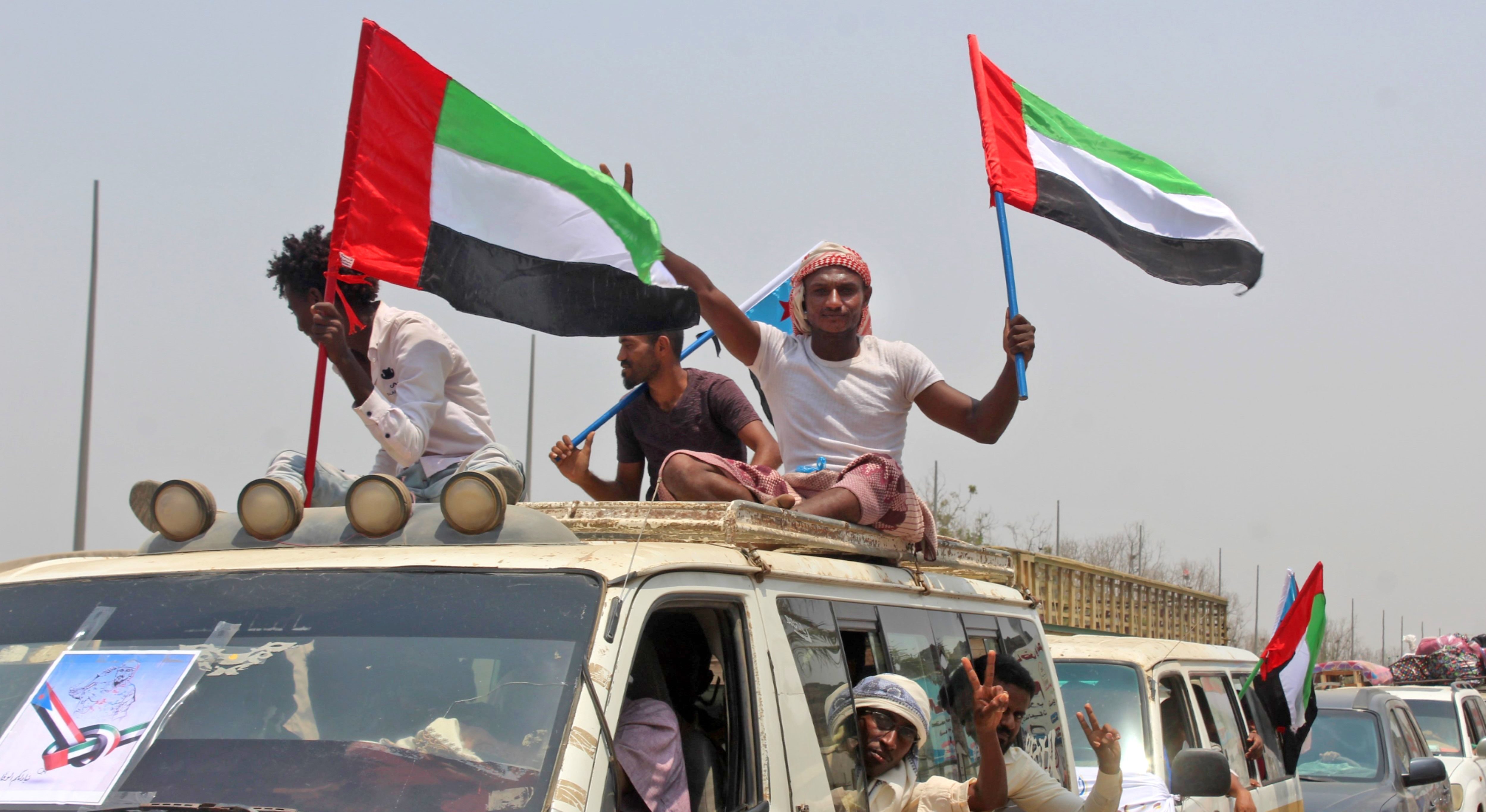
Saudi Arabia publicly demanded on Thursday, December 25, that the UAE-backed Southern Transitional Council withdraw from Yemen’s eastern governorates of Hadramout and Mahra, turning a holiday statement into a warning flare over a coalition already strained by years of war against the Iranian-backed Houthis.
In a Foreign Ministry statement, Riyadh said the separatists’ actions had “resulted in an unjustified escalation that harmed the interests of all segments of Yemeni people, as well as the southern cause and the coalition’s efforts,” and urged Yemeni factions to “exercise restraint and avoid any measures that could destabilize security and stability, which may result in undesirable consequences.” Saudi Arabia said mediation is underway to return the Council’s forces to “their previous positions outside of the two governorates and hand over the camps in those areas” to the National Shield Forces, a Saudi-backed formation. “These efforts remain in progress to restore the situation to its previous statement,” the ministry added.
Give the gift of hope
We practice what we preach:
accurate, fearless journalism. But we can't do it alone.
- On the ground in Gaza, Syria, Israel, Egypt, Pakistan, and more
- Our program trained more than 100 journalists
- Calling out fake news and reporting real facts
- On the ground in Gaza, Syria, Israel, Egypt, Pakistan, and more
- Our program trained more than 100 journalists
- Calling out fake news and reporting real facts
Join us.
Support The Media Line. Save democracy.

The move adds friction between Saudi Arabia and the United Arab Emirates—close partners in energy and security, but also competitors for regional influence—while Yemen’s political map continues to splinter. The Southern Transitional Council, which favors renewed southern secession, has long held sway in Aden, the anti-Houthi camp’s wartime hub.
The timing is awkward for a region already on edge. Yemen’s civil war erupted after the Houthis seized Sanaa in 2014, prompting a Saudi-led intervention in 2015. The conflict has killed more than 150,000 people and fueled a major humanitarian crisis, while Houthi attacks tied to the Israel-Hamas war have rattled Red Sea shipping.
Any new internal showdown inside the anti-Houthi coalition risks giving the Houthis fresh breathing room—and could draw outside powers back into Yemen’s next chapter.
