Accountability Before the Law: The Bishop of Canterbury and Pope Benedict
Al Qabas, Kuwait, May 17
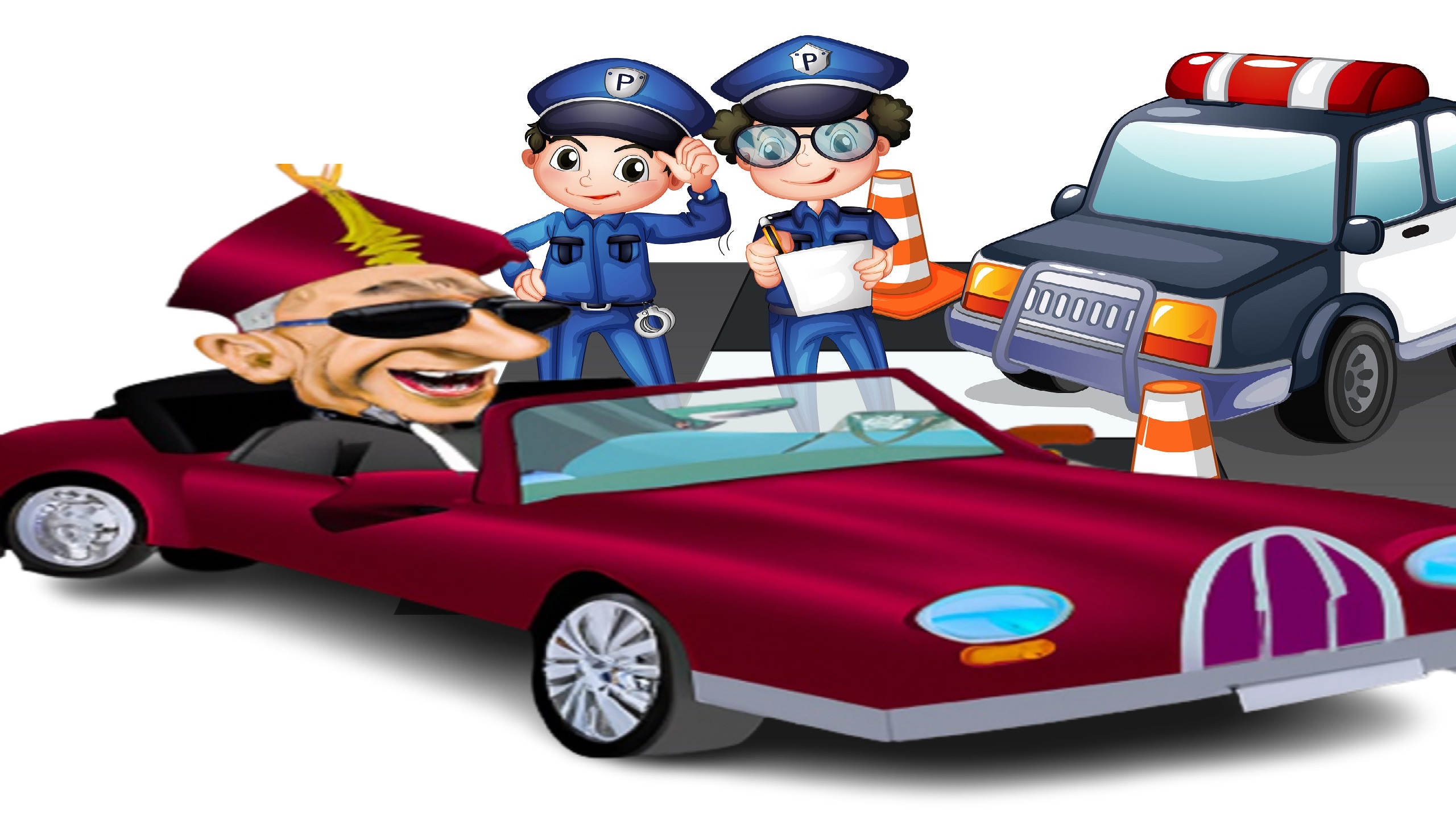
The archbishop of Canterbury was found guilty of speeding, and subsequently received a £510 fine and three points on his record. Despite his distinguished position—having placed the crown on King Charles III a few mere days before—neither his prestige nor the king’s coronation could save him. It is heartening to see accountability and equity maintained in Britain, particularly considering the fact that the archbishop was traveling alone in his Volkswagen, without a driver or a bodyguard. We can only wish that this same commitment to justice would be seen in our region of the world. Years ago, a judge ruled that Queen Elizabeth’s nephew must pay a hefty fine for reckless driving. The judge argued that members of the royal family must set an example and be held to a higher standard than the rest of the public. It may take us centuries to fully comprehend the concept of blind justice—if we are fortunate enough to be given the time. The archbishop of Canterbury’s recent traffic violation reminded me of a joke that circulated widely in the halls of the Vatican on Pope Benedict’s ascension to the papacy in 2005. On that occasion, he was gifted with a unique car from his motherland, Germany. Clearly enamored by the present, the pope decided to drive the vehicle himself, in defiance of traditional practice. Later that evening, he asked his driver to join him in the backseat. Driving had been an experience the pope had not indulged in since his early 20s when he entered the priesthood, but it was difficult to resist the temptation to drive the car quickly. Moments later, a police officer on a motorcycle pulled him over. As soon as the officer recognized him as the supreme pontiff, he stepped back and contacted his superior. The following conversation took place between them: “Sir, I just caught a well-known individual speeding down a Rome street. What should I do?” “Issue them a violation; no one is above the law,” the supervisor responded. “But this individual is far more important than you can imagine,” the young cop said. “Still issue them a violation, regardless of their status.” When the young cop continued pushing, the supervisor insisted: “I’ve told you twice: issue them a violation, no matter the degree of their notoriety.” “But they are really well-known and influential,” the cop held. “What do you mean by noteworthy and influential?” the officer asked. “Sir, I cannot say for certain who this individual is, but I do know the driver is His Eminence, Pope Benedict!” —Ahmed Al-Sarraf (translated by Asaf Zilberfarb)
Give the gift of hope
We practice what we preach:
accurate, fearless journalism. But we can't do it alone.
- On the ground in Gaza, Syria, Israel, Egypt, Pakistan, and more
- Our program trained more than 100 journalists
- Calling out fake news and reporting real facts
- On the ground in Gaza, Syria, Israel, Egypt, Pakistan, and more
- Our program trained more than 100 journalists
- Calling out fake news and reporting real facts
Join us.
Support The Media Line. Save democracy.