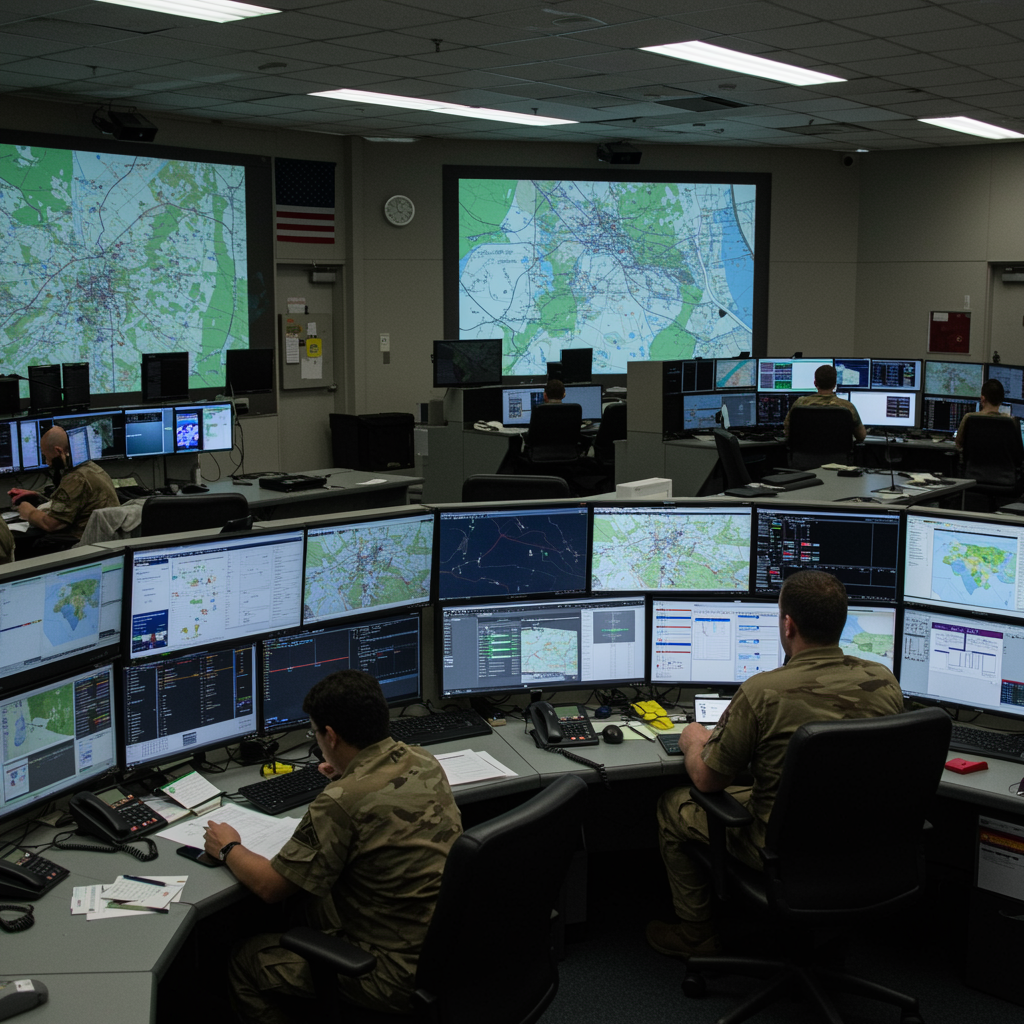
The US Coordination Center
Al-Bayan, UAE, October 23
The US coordination center established by President Donald Trump on the Gaza border stands as a tangible demonstration—one of deeds, not words—of his administration’s commitment to achieving lasting peace and stability in the Gaza Strip. The center, staffed by 200 US military and civilian personnel, is designed to uphold the principles of the Trump peace initiative by monitoring, enforcing, and overseeing the agreement’s implementation measures.
Its mission focuses on three core objectives: first, coordinating humanitarian aid operations for Gaza’s residents; second, ensuring the security and integrity of infrastructure construction in preparation for the rehabilitation of the Gaza Strip; and third, establishing protocols to sustain the ceasefire. All members of this unit are experienced US military professionals who have served in conflict zones such as Iraq, Afghanistan, and Syria, bringing valuable expertise to this sensitive mission.
Give the gift of hope
We practice what we preach:
accurate, fearless journalism. But we can't do it alone.
- On the ground in Gaza, Syria, Israel, Egypt, Pakistan, and more
- Our program trained more than 100 journalists
- Calling out fake news and reporting real facts
- On the ground in Gaza, Syria, Israel, Egypt, Pakistan, and more
- Our program trained more than 100 journalists
- Calling out fake news and reporting real facts
Join us.
Support The Media Line. Save democracy.
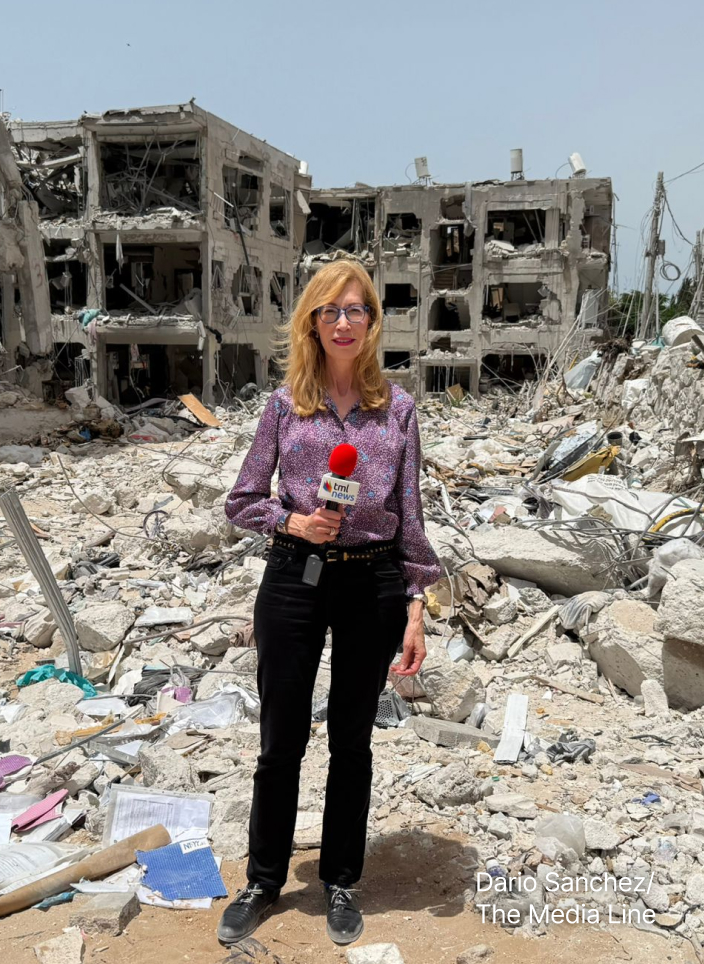

Located in the outskirts of Gaza, the center operates under the leadership of General Patrick Frank, a seasoned and highly regarded military commander who works in direct coordination with the US Joint Chiefs of Staff and President Trump’s envoys, Steve Witkoff and Jared Kushner. Earlier this week, US Vice President JD Vance visited the site, commended its progress, and affirmed that both he and President Trump fully back the ceasefire agreement and the transition to the initiative’s second phase.
Importantly, the personnel stationed at the center are not engaged in any combat operations; their duties are purely supervisory, focused on ensuring that services and procedures are properly implemented. The second phase of the peace agreement introduces a series of complex and sensitive challenges, chief among them the surrender of Hamas’ weapons, the formation of a neutral administrative authority, and the establishment of a peace council. This upcoming phase will test the credibility and commitment of all parties involved, particularly Israel and Hamas, who are both facing unprecedented pressure and oversight from the United States to adhere faithfully to the principles of the agreement.
Emad El Din Adeeb (translated by Asaf Zilberfarb)
