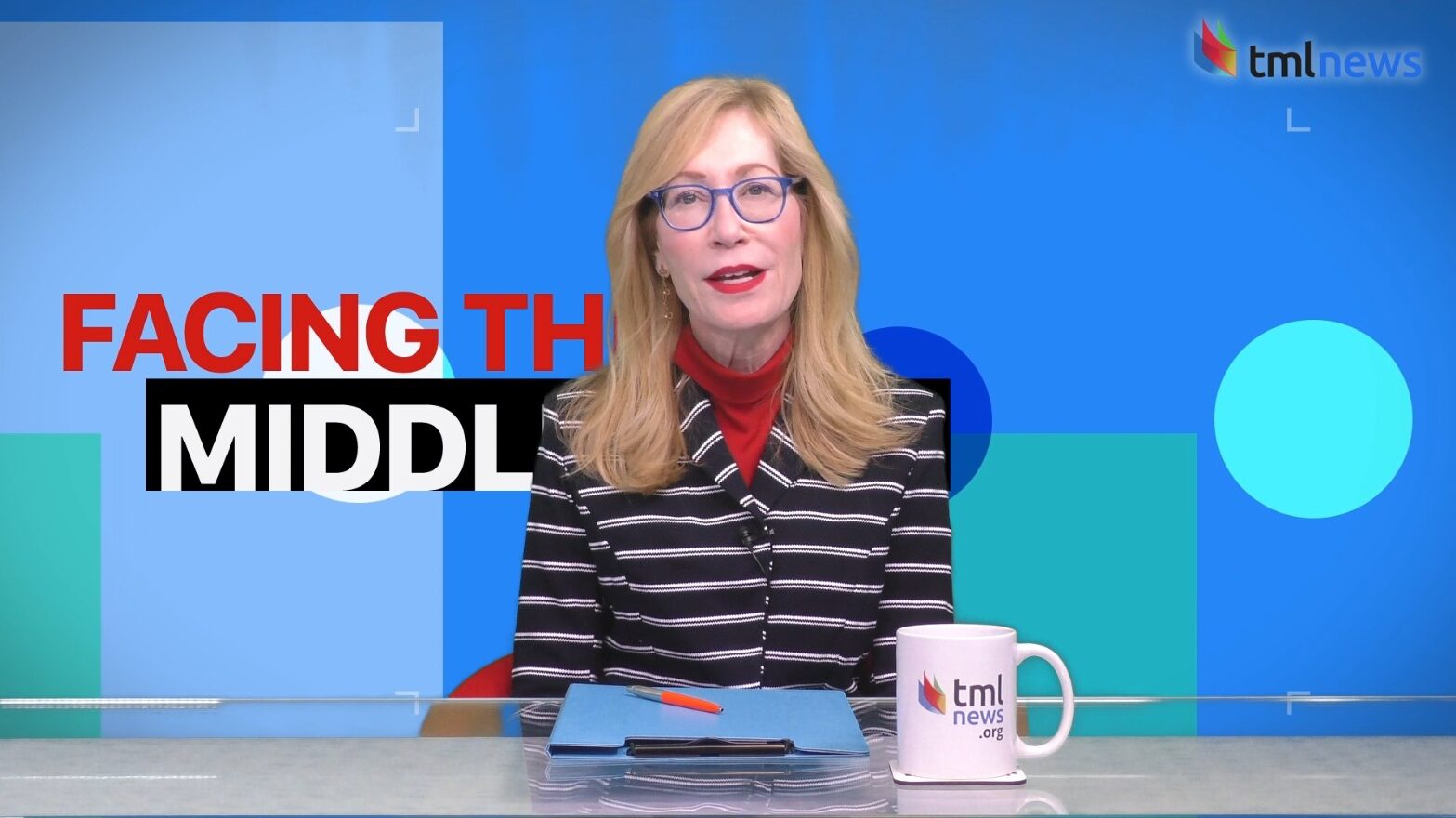
Facing the Middle East with Felice Friedson, Episode 17: Defining Gifts of Truth and Sustenance
Jewish-Christian prayer, global evangelical engagement, and the fight against hunger frame a wide-ranging conversation about values in wartime
The holiday season frames this edition of Facing the Middle East as host Felice Friedson focuses on gratitude, giving, and prayer—while tying those themes to the pressures Israel faces after what she describes as an “eight-front war” and continuing conflict with Hamas. From the opening monologue, Friedson sets a reflective tone about rapid technological change, warning that advances such as artificial intelligence and robotics are reshaping daily life faster than societies can absorb. She urges viewers to stay grounded in simple human values, arguing that progress should be embraced when it strengthens humanity and questioned when it fuels chaos or weakens social cohesion.
The program then moves to the Knesset, where a morning of prayer brings Jewish and Christian participants together. Friedson says the annual gathering was initiated by Knesset member Tatiana Mazarsky, who describes it as a response to wartime strain on Israeli society and to what she calls a “radical world that denies the existence of the Jewish state.” Mazarsky says the event is meant to strengthen Israelis under missile fire and to support fighters and civilians carrying physical and emotional trauma.
Give the gift of hope
We practice what we preach:
accurate, fearless journalism. But we can't do it alone.
- On the ground in Gaza, Syria, Israel, Egypt, Pakistan, and more
- Our program trained more than 100 journalists
- Calling out fake news and reporting real facts
- On the ground in Gaza, Syria, Israel, Egypt, Pakistan, and more
- Our program trained more than 100 journalists
- Calling out fake news and reporting real facts
Join us.
Support The Media Line. Save democracy.
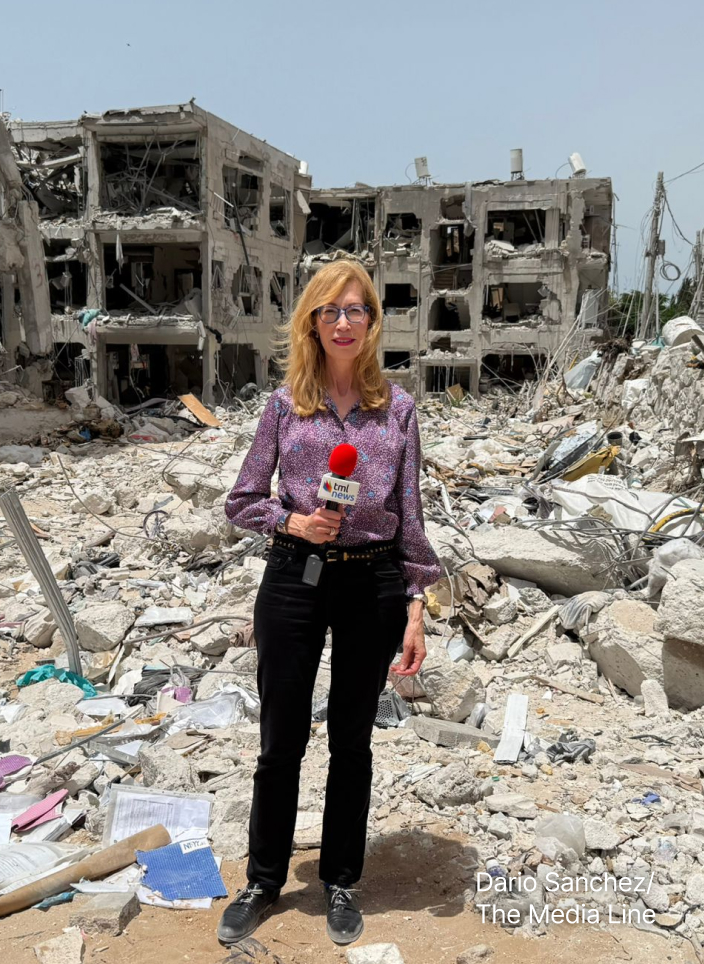
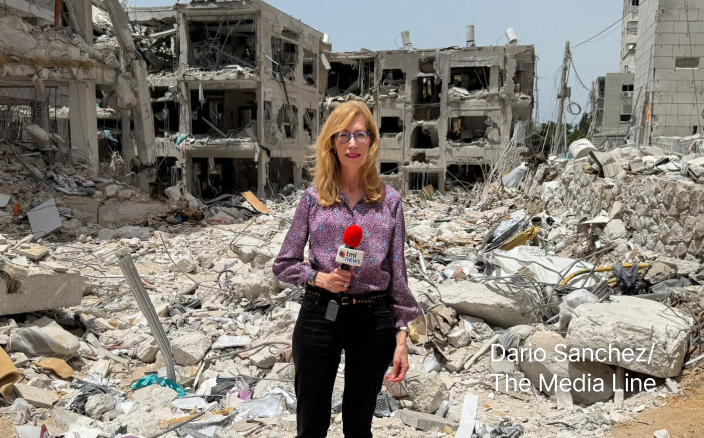
US Ambassador to Israel Mike Huckabee appears at the prayer gathering and speaks about the spiritual ties he sees between the two countries, describing prayer as part of a shared foundation for Western civilization. Friedson also interviews Pastor Greg Locke, a conservative preacher from Nashville, who says backing Israel has brought intense backlash and argues that social media is saturated with misinformation about the war. Hananya Naftali, described as a digital aide to Prime Minister Benjamin Netanyahu, tells Friedson that antisemitism often appears “in the disguise of anti-Zionism” and says Israel and its supporters must speak up. Sharon Haskell, the Foreign Ministry’s deputy minister, links Hamas to the Muslim Brotherhood and calls it a serious threat, while Albert Veksler, a coordinator of prayer breakfasts, argues that prayer can restore hope, citing accounts from hostages.
In the next segment, Friedson speaks with Mike Evans, founder of the Friends of Zion Heritage Center, about bringing more than 1,000 evangelical pastors and influencers to Israel. Evans describes the Israel-Hamas war as an “ideological war” and says the delegation is meant to serve as “official ambassadors” to combat antisemitism and influence younger audiences online, including through campaigns using advanced technology.
The episode closes with a shift from geopolitics to social policy as Friedson interviews Joseph Gitler, founder of Leket, Israel’s national food bank. Gitler says about 40% of Israel’s food is wasted while hundreds of thousands of families lack reliable access to nutritious food. He describes food waste across the supply chain, argues for stronger incentives and penalties, and says the war has driven up food prices while reinforcing the need for Israel’s “nutritional security.”
