Iranian Opposition Pushes for Unity After Decades of Fragmentation
New coalitions seek to bridge divides between groups inside and outside Iran while preparing for a potential transition
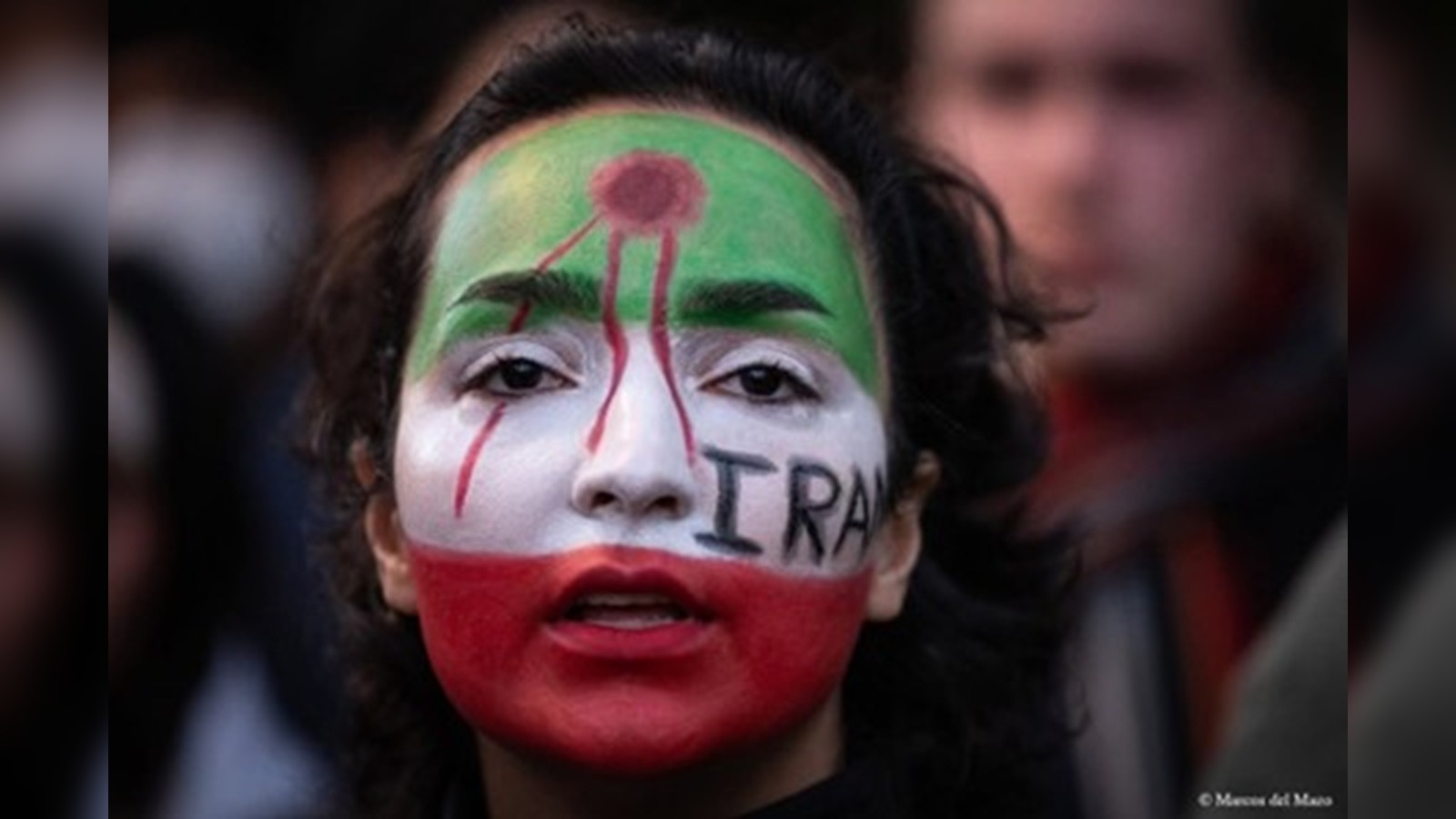
After 47 years of division, splintering, and fragmentation, the popular uprising in January—and the continuation of protests inside Iran—have become a catalyst for greater unity among opposition parties abroad. That push has accelerated further since Feb. 28, when the United States and Israel launched a preemptive strike on Iran that eliminated much of the country’s top political and military leadership, including the supreme leader, jolting the opposition landscape at home and abroad.
In recent days, the unification of several major Iranian Kurdish parties has generated renewed optimism. At the same time, republican groups took a step toward cohesion by convening a closed-door meeting in London titled “Congress for Freedom in Iran.” Although established Iranian leftist parties—some with nearly 70 years of history—have yet to form a unified front, younger left-leaning activists who were recently forced into exile have tried to compensate for this gap. Dozens have announced the formation of a new youth-oriented group called the “Inclusive Alliance of the Revolutionary Left,” founded in part by well-known figures from Iran’s student movement who left the country in recent years—or even months. The initiative is a fresh attempt to overcome fragmentation among the new generation of the left.
Meanwhile, Reza Pahlavi, the leading figure among right-wing and monarchist supporters, recently took the unexpected step of meeting with a group of left-leaning intellectuals in Paris. Among those present were some of Iran’s most prominent thinkers, including Dariush Ashouri, a founding member of the Iranian Writers’ Association. The association was among the institutions whose members were repeatedly imprisoned by SAVAK under the monarchy, and whose books were banned or censored. Following the establishment of the Islamic Republic, its members again faced repression, with some executed or assassinated.
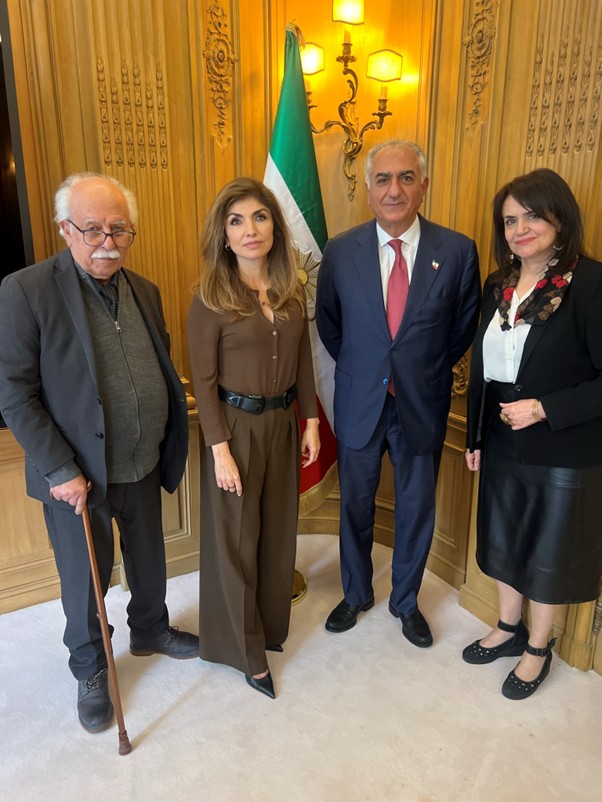
Crown Prince Reza Pahlavi (C-R) and his wife Princess Yasmine Pahlavi’s (C-L) meeting with Iranian leftist intellectuals Dariush Ashoori (L) and Chahla Chafiq (R) in Paris drew widespread criticism. However, they say they are seeking coordinated action and unity among right, left, and centrist forces against the Islamic Republic. (X/Reza Pahlavi Communications)
Chahla Chafiq, an Iranian writer and sociologist who has lived in exile for years and is the author of several major works critiquing political Islam and Islamic totalitarianism, also attended the meeting. Some of Pahlavi’s supporters described the gathering as an effort to attract leftist intellectual backing. The presence of Yasmine Pahlavi, his wife—who is associated by some critics with the slogan “Death to the three corrupt ones: the mullah, the leftist, and the mojahed [one who engages in jihad]”—added controversy. Many on the left interpreted this slogan as targeting them, particularly given widespread public opposition to the clerical establishment and the unpopularity of the People’s Mojahedin Organization of Iran (MEK) among large segments of society.
The meeting sparked backlash. Some critics accused the participating intellectuals of aligning themselves with a dominant political current led by Pahlavi, drawing comparisons to 1979, when intellectuals were sidelined amid mass support for the Ayatollah Ruhollah Khomeini. Still, Pahlavi has sought to build alliances not through political parties, but by engaging influential individuals—especially prominent social media figures and celebrities. During the “Woman, Life, Freedom” protests, he withdrew from an earlier coalition with centrist and left-leaning figures, and members of his inner circle have since promoted the slogan “One country, one flag, one leader.”
Any coalition that excludes Iran’s diverse ethnic communities—and the wide spectrum of political and social currents within the 95 million Iranian population, both inside and outside the country—is unlikely to achieve lasting impact on the ground.
Fariba Balouch, a political activist and advocate for the rights of Iran’s Balouch community, argues that the participation of historically marginalized nationalities in a broad coalition would increase public engagement in a revolutionary process.
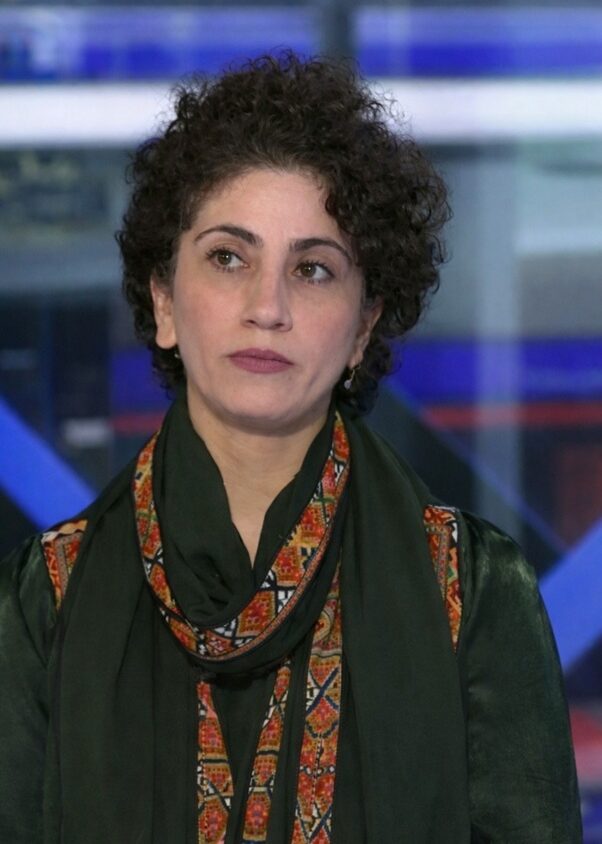
Fariba Baluch, a human rights activist and advocate for the rights of the people of Baluchistan in Iran, says that any alliance that includes the participation of all nationalities and offers a roadmap for the fundamental transformation of the power structure will succeed. (Instagram)
Speaking to The Media Line, she said opposition unity is essential to removing the Islamic Republic and must be rooted in a real acceptance of Iran’s diversity. “In the decisive circumstances we are facing today, unity is a necessity for the overthrow of the Islamic Republic. However, such unity will only be effective if it is built on the genuine acceptance of the diversity and plurality that exist within Iran.”
Give the gift of hope
We practice what we preach:
accurate, fearless journalism. But we can't do it alone.
- On the ground in Gaza, Syria, Israel, Egypt, Pakistan, and more
- Our program trained more than 100 journalists
- Calling out fake news and reporting real facts
- On the ground in Gaza, Syria, Israel, Egypt, Pakistan, and more
- Our program trained more than 100 journalists
- Calling out fake news and reporting real facts
Join us.
Support The Media Line. Save democracy.
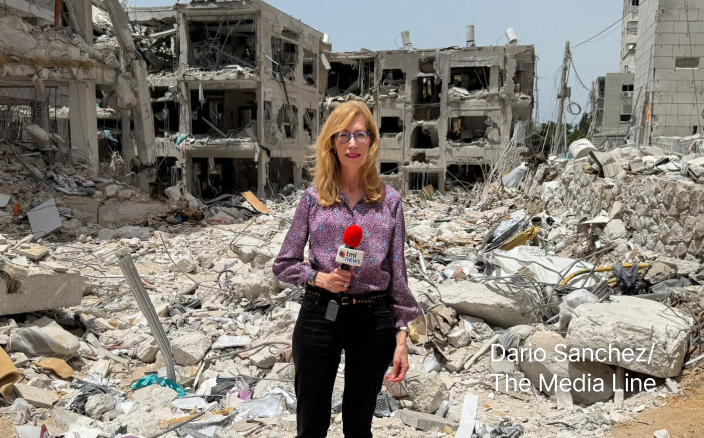
In the decisive circumstances we are facing today, unity is a necessity for the overthrow of the Islamic Republic. However, such unity will only be effective if it is built on the genuine acceptance of the diversity and plurality that exist within Iran.
She described Iran as a country of sidelined ethnic, religious, and linguistic communities and said marginalized groups must be fully included in any united front. “Iran is a country of multiple nationalities, cultures, religions, and languages, many of which have had their voices ignored or suppressed in recent decades. The Balouch people, who have faced structural discrimination throughout these years, must find their rightful place within this unity in order to secure their rights.”
We support any alliance that is founded on justice, equality, and the meaningful participation of nationalities in power, an alliance whose aim is not merely to replace figures, but to transform the fundamental structures of power
Balouch added that she supports alliances based on equality and meaningful power-sharing, not cosmetic leadership changes. “We support any alliance that is founded on justice, equality, and the meaningful participation of nationalities in power, an alliance whose aim is not merely to replace figures, but to transform the fundamental structures of power.”
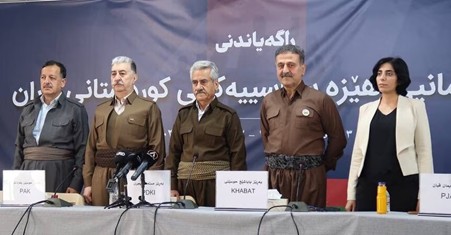
For the first time, five major Kurdish parties in Iranian Kurdistan have united against the Islamic Republic. Other Kurdish parties have also stated that they welcome this coordinated alliance. (Social media)
The coordinated efforts of major Iranian Kurdish parties—many of which have engaged in armed struggle against the Islamic Republic—have been widely welcomed. Yet in a statement that drew strong reactions, Reza Pahlavi warned against “separatism” and implicitly threatened Kurdish parties with military suppression. Kurdish parties responded critically, asserting that the former crown prince, like the Islamic Republic, was wielding the “worn-out baton of separatism accusations” to silence them. The exchange appears to have deepened the divide between Pahlavi and Kurdish groups, many of which have said they seek forms of autonomy similar to the Swiss federal model rather than secession.
Separately, independent groups—including supporters of the Woman, Life, Freedom movement inside Iran—are moving to form a new coalition.
Shirin Shams, a leader of the Women’s Revolution Collective, told TML the effort responds directly to activists inside the country calling for a democratic, pluralistic alternative. “We are building an organized and inclusive network that will create an active and effective connection between forces inside and outside Iran.”
Our goal is to generate synergy and unity among all forces committed to the Woman, Life, Freedom movement in order to overthrow the Islamic Republic and prepare a political alternative for the transitional period, one that is distinct and rooted in Iranian society
She said a formal announcement is imminent and framed the initiative as both an opposition front and a transitional blueprint. “Our goal is to generate synergy and unity among all forces committed to the Woman, Life, Freedom movement in order to overthrow the Islamic Republic and prepare a political alternative for the transitional period, one that is distinct and rooted in Iranian society.”
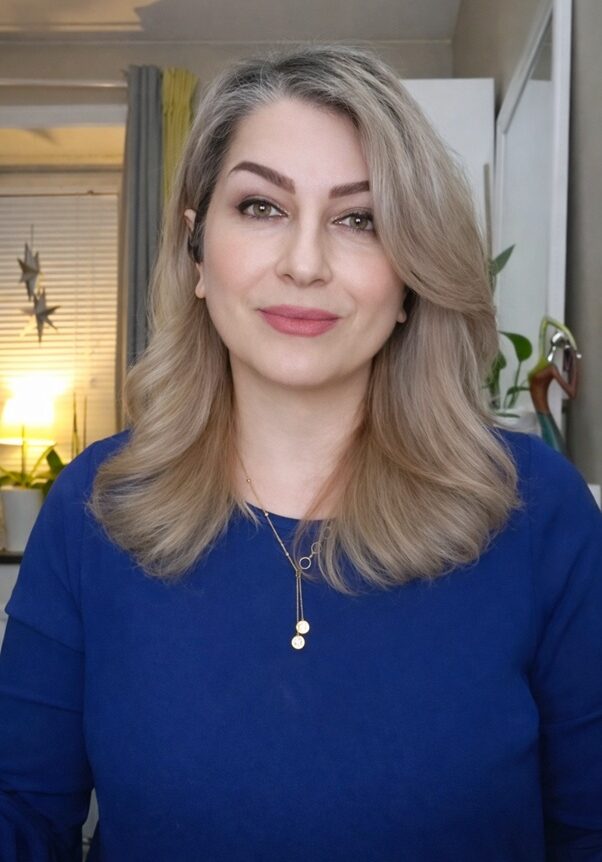
Shirin Shams, one of the leaders of the Women’s Revolution Collective, says that with the support of the internal network of Woman, Life, Freedom activists, they are in the process of creating a new coordinated alliance among forces opposed to the Islamic Republic. (TML)
The January protests showed that, despite millions in the streets, the absence of organized leadership made it nearly impossible to confront a state willing to deploy armored forces without incurring heavy human losses and social disarray. Now, as opposition forces perceive the Islamic Republic to be in its weakest position since 1979, efforts toward unity and coalition-building have intensified —a sense reinforced by the Feb. 28 decapitation strike that removed much of the regime’s top tier and intensified uncertainty over succession and command authority.
Inside the country, the opposition includes prominent figures such as Nobel laureate Narges Mohammadi, along with intellectuals spanning leftist, centrist, and nationalist orientations. Most are either imprisoned or effectively held hostage by the state. Even so, student groups, women’s rights activists, labor organizers, teachers’ councils, and retirees’ associations continue to organize strikes and protests and may play a decisive role at a critical moment.
In Ilam, a student named Farzaneh said the visible presence of competing political visions could guard against a new monopoly on power after the regime’s fall. A pluralistic opposition, she argued, would keep the revolutionary process from hardening into one dominant voice.
“It can first offer practical strategies for struggle,” she says, “at the same time, ensure that power is not monopolized by one specific group after the fall of the Islamic Republic. It can also reduce public despair and disengagement if the revolutionary process becomes prolonged, because a range of options rooted in different political tendencies and supported by various groups and movements can lead to meaningful participation by the entire population.”
For years, the Islamic Republic and its intelligence system have attempted to infiltrate opposition movements inside and outside the country to spread distrust and division. A unified front—or multiple coordinated fronts—across ideological lines could therefore represent a strategic threat to the regime. The regime’s Ministry of Intelligence has repeatedly claimed infiltration among opposition groups to prevent unity. Some of these operations have reportedly involved discrediting activists by posing as members of rival factions. Recently, Majid Khadami, head of the IRGC Intelligence Organization, stated that “internal disagreements among traditional anti-regime groups over the timing and leadership of unrest, and the refusal to accept monarchists’ centrality,” were among the reasons the January protests did not lead to the regime’s overthrow. He added that IRGC intelligence has intensified efforts through “infiltrators” to disrupt the planners and executors of what he described as combined operations against the regime.
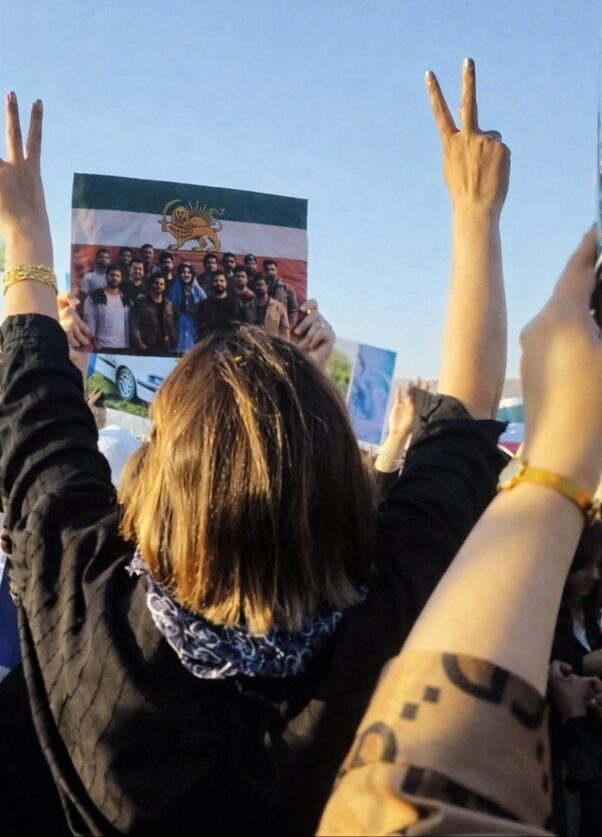
Protests, strikes, and demonstrations continue across Iran, and many people are calling for coordinated unity among forces opposed to the Islamic Republic. On Friday, large-scale demonstrations were held in Mamasani, in western Fars Province, against the Islamic Republic. (Social media)
Despite the Islamic Republic’s intelligence bodies—echoing the late Ali Khamenei—attributing the January uprising to foreign actors such as the United States and Israel, even figures close to the regime have acknowledged that accumulated public grievances were the primary driver. Mohammadreza Javadi Yeganeh, a former member of the Government Information Council, wrote on X that the “continuation of political obstruction” in the face of public demands is alarming. Sociologist Ahmad Bokharaei told Eghtesad News that following the bloody suppression of the uprising, many young people have become fearless and that anger has “transformed into resentment.”
In this context, coordinated action among opposition parties, after nearly half a century of fragmentation, could inject new momentum into protest waves that have re-emerged in public spaces, particularly in universities. Despite severe repression, the regime appears increasingly strained in its efforts to contain dissent.
