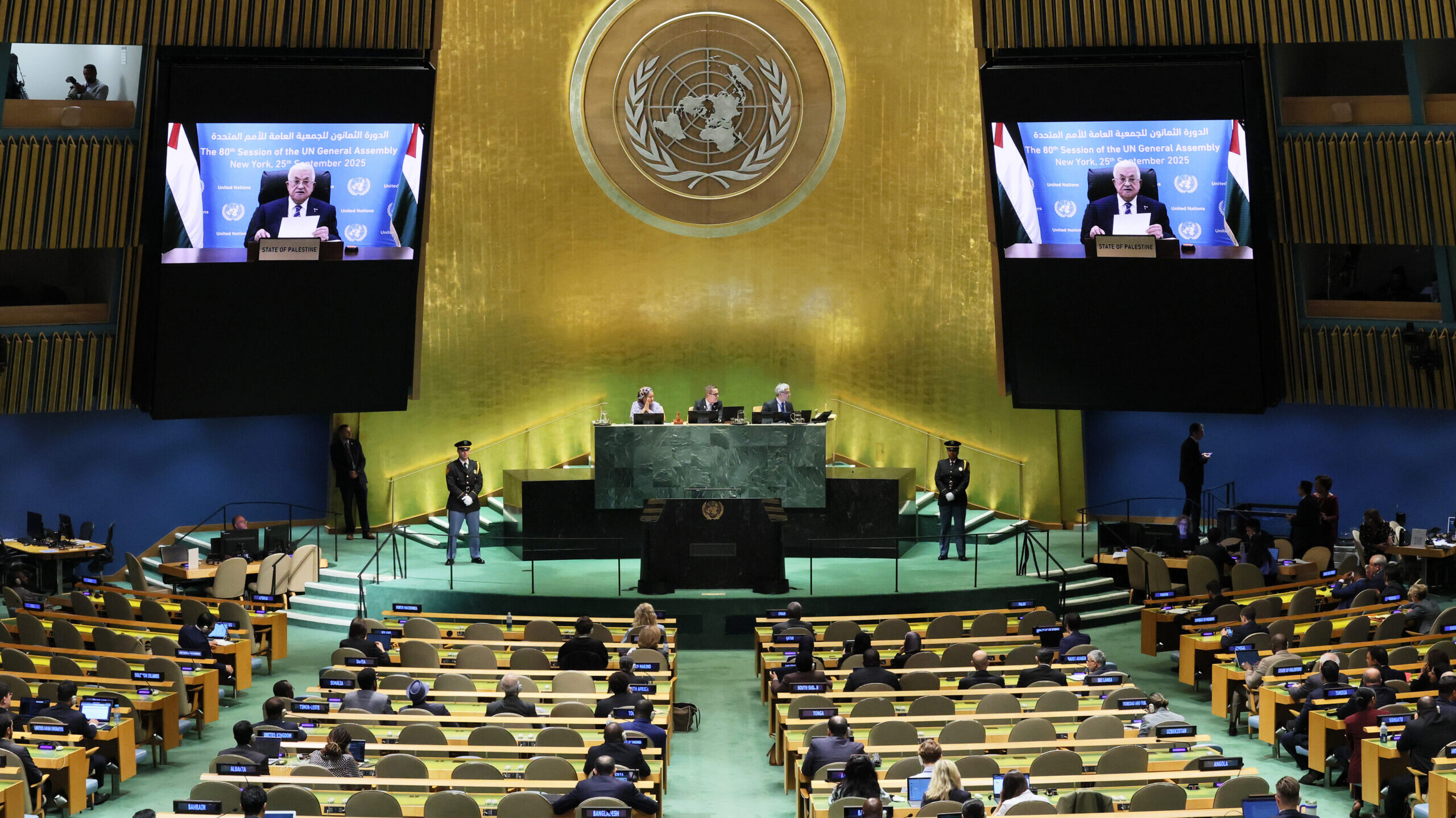
UN Debate Shifts as Democracies Turn Sharper on Israel’s Gaza War
Reporter Gabriel Colodro surveys how this year’s UN General Assembly reset the conversation on Israel’s war in Gaza, tracking a chorus of accusations once confined to Tehran and Damascus that now rings from Bogotá, Santiago, and Dakar. In nearly 50 speeches, leaders used courtroom language—“genocide,” “accountability,” “tribunals”—signaling a wider global diplomatic realignment.
Colombia’s President Gustavo Petro jolted the hall: “If we must defend Palestine, then we must defend it militarily.” Chile’s President Gabriel Boric pushed the legal line: “Netanyahu must be held accountable before international tribunals.” South Africa reinforced its case at the International Court of Justice, while Senegal’s President Bassirou Diomaye Faye called Gaza “hell.” From the region, Iran repeated its charges, and Syria’s President Ahmed al-Sharaa urged an immediate end to the war.
Give the gift of hope
We practice what we preach:
accurate, fearless journalism. But we can't do it alone.
- On the ground in Gaza, Syria, Israel, Egypt, Pakistan, and more
- Our program trained more than 100 journalists
- Calling out fake news and reporting real facts
- On the ground in Gaza, Syria, Israel, Egypt, Pakistan, and more
- Our program trained more than 100 journalists
- Calling out fake news and reporting real facts
Join us.
Support The Media Line. Save democracy.
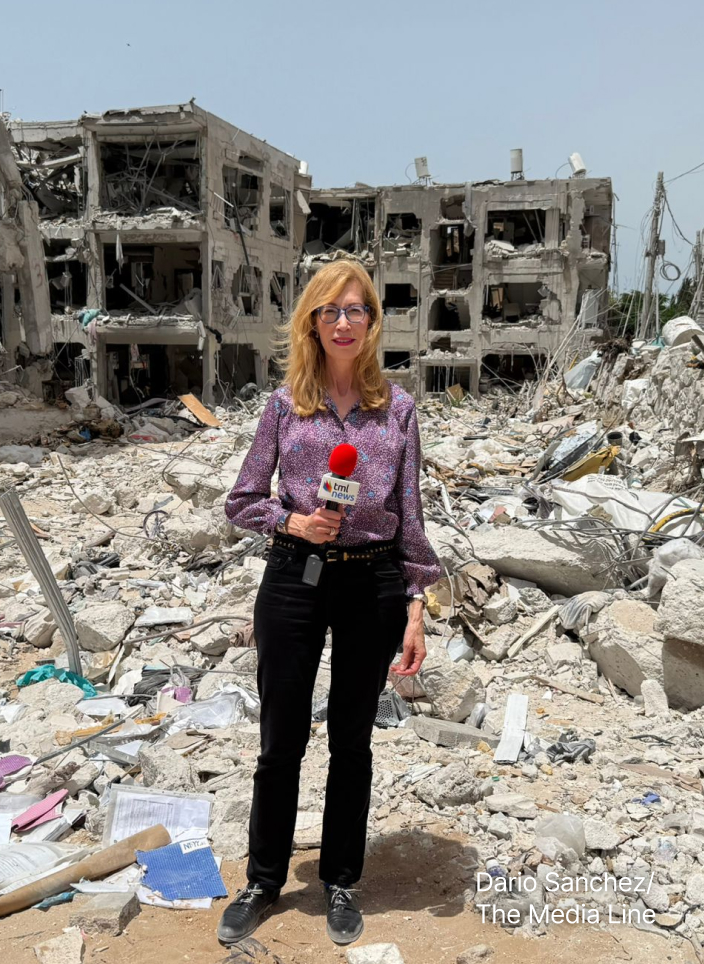
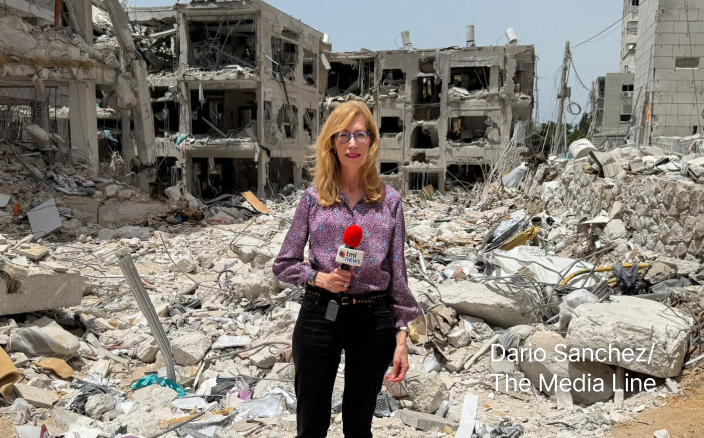
Europe recalibrated in subtler tones. Spain’s King Felipe VI spotlighted Palestinian suffering; France edged closer to open criticism of Israel’s campaign while avoiding the word genocide. Slovakia’s President Peter Pellegrini warned the line between defense and civilian harm is being “painfully tested.” Indonesia, which does not recognize Israel, paired support for a Palestinian state with an acknowledgment that Israelis require security guarantees.
Not everyone joined. Paraguay’s President Santiago Peña defended Israel’s right to self-defense and rejected equivalences, and the US president, President Donald Trump, reaffirmed America’s commitment to Israel’s security.
Colodro’s analysis asks whether the genocide charge—once the language of Israel’s fiercest enemies—has migrated into mainstream democratic capitals, and what that means for policy, law, and public opinion. Read the full article to see how this rhetorical shift could shape court cases, embargo fights, and the next stage of diplomacy from New York to Geneva.
