US-Iran Talks Inch Forward as Massive Military Buildup Raises Stakes for Israel and the Region
Markets and militaries are reading the same map today: the Iran-US standoff is tightening, and Israel is watching every move.
In the past few hours, the White House said this week’s Geneva nuclear talks with Iran produced only modest progress, with key gaps still open and Tehran expected to return with more detail within the next two weeks. That diplomatic drizzle is landing on a region already bracing for thunder. Reuters also reported that Iran issued a notice to airmen about planned rocket launches across southern areas during a defined window on Thursday, a reminder that Tehran is keeping its own pressure points visible.
Give the gift of hope
We practice what we preach:
accurate, fearless journalism. But we can't do it alone.
- On the ground in Gaza, Syria, Israel, Egypt, Pakistan, and more
- Our program trained more than 100 journalists
- Calling out fake news and reporting real facts
- On the ground in Gaza, Syria, Israel, Egypt, Pakistan, and more
- Our program trained more than 100 journalists
- Calling out fake news and reporting real facts
Join us.
Support The Media Line. Save democracy.


At the same time, Washington’s posture is getting heavier. The US has positioned warships close to Iran, and US Vice President JD Vance said the administration is weighing whether to stick with talks or pursue “another option.” In Israel’s news cycle, a Wall Street Journal report cited by The Times of Israel described the current US air-power buildup in the Middle East as the largest since the 2003 Iraq invasion, including multiple aircraft carriers and fighter jets such as F-16s, F-22s, and F-35s—giving President Donald Trump a much broader set of military options than the shorter, bomber-centered strike profile seen last June.
Iran, for its part, is also hardening the chessboard. Reuters reported new satellite imagery showing Iran building a concrete shield over a facility at a sensitive military site and covering it with soil—work experts described as advancing at a location reportedly bombed by Israel in 2024 amid tensions with the US.
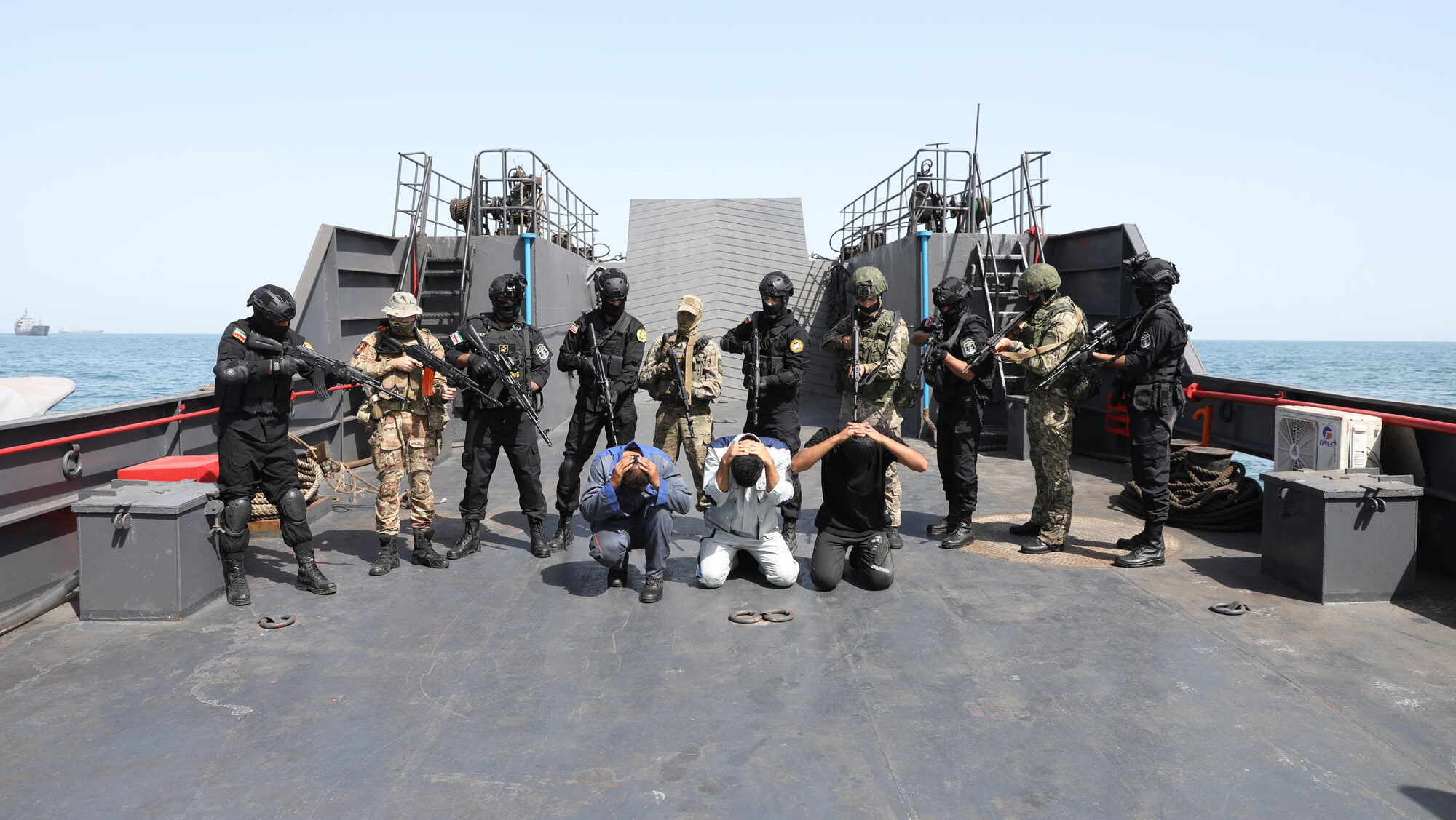
Outside powers are signaling caution. Russia called for restraint while conducting planned naval drills with Iran in the Sea of Oman, with Kremlin spokesman Dmitry Peskov urging “political and diplomatic means” and warning of an “unprecedented escalation of tension.”
Bottom line: diplomacy is still alive, but it’s pacing next to loaded hardware—and that’s when accidents, misreads, and “limited” actions have a way of becoming headline-sized.
