
Canada Eases Sanctions on Syria, Appoints Nonresident Ambassador
Canada announced Wednesday that it would ease financial sanctions on Syria and appoint a nonresident ambassador, signaling support for the country’s interim government. The decision comes as Syria undergoes a transition following the ouster of longtime leader Bashar Assad late last year. Ottawa said the move aims to facilitate aid delivery, support reconstruction, and promote stability.
Canadian Foreign Minister Mélanie Joly and International Development Minister Ahmed Hussen said in a statement that Ottawa remains committed to delivering “much-needed humanitarian assistance” and supporting “a transition to an inclusive and peaceful future.” The government is providing 84 million Canadian dollars ($61.8 million) in new humanitarian aid and will ease sanctions for six months, allowing financial transactions related to democratization and stabilization efforts. Funds will be permitted to pass through certain banks, including Syria’s central bank.
Give the gift of hope
We practice what we preach:
accurate, fearless journalism. But we can't do it alone.
- On the ground in Gaza, Syria, Israel, Egypt, Pakistan, and more
- Our program trained more than 100 journalists
- Calling out fake news and reporting real facts
- On the ground in Gaza, Syria, Israel, Egypt, Pakistan, and more
- Our program trained more than 100 journalists
- Calling out fake news and reporting real facts
Join us.
Support The Media Line. Save democracy.
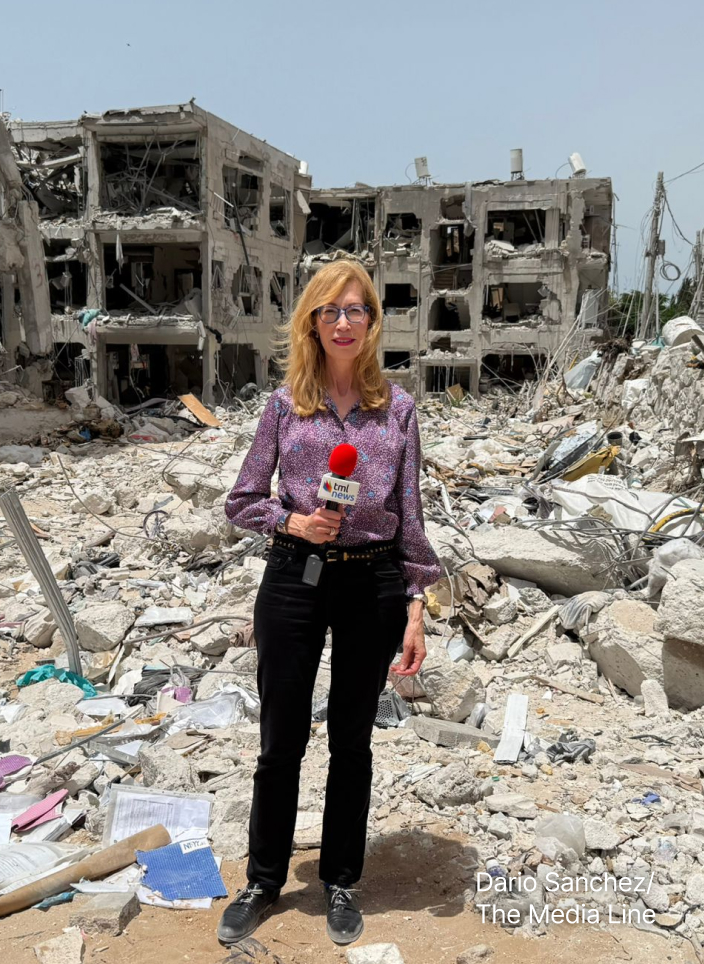
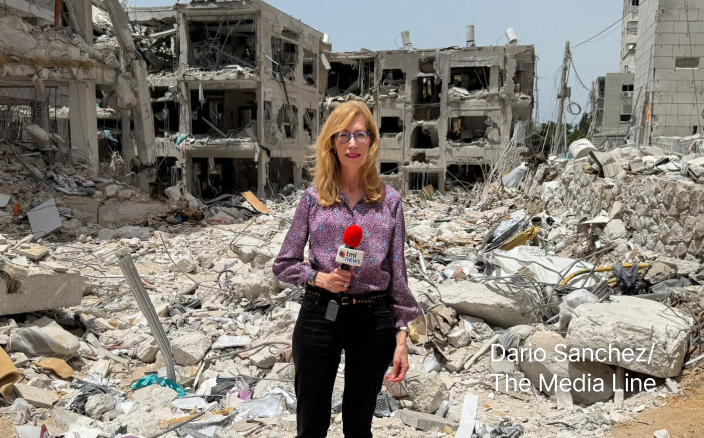
Like many Western countries, Canada imposed sanctions on Syria starting in 2011 in response to Assad’s crackdown on civilian uprisings. “Canada is gravely concerned at the excessive use of force by the Syrian regime against its own people,” Prime Minister Stephen Harper said at the time.
As part of the rebuilding of ties following the Assad regime’s fall, Canada appointed Ambassador to Lebanon Stefanie McCollum to serve concurrently as nonresident ambassador to Syria. “Restoring Canada’s diplomatic presence in Syria will help promote engagement with regional and international actors—including the United Nations, nongovernmental organizations, and other diplomatic missions—to support peace and political stabilization in the country and beyond,” Joly and Hussen said in their statement.
