Iranian Women’s Team Leaves Malaysia After Asylum Reversals
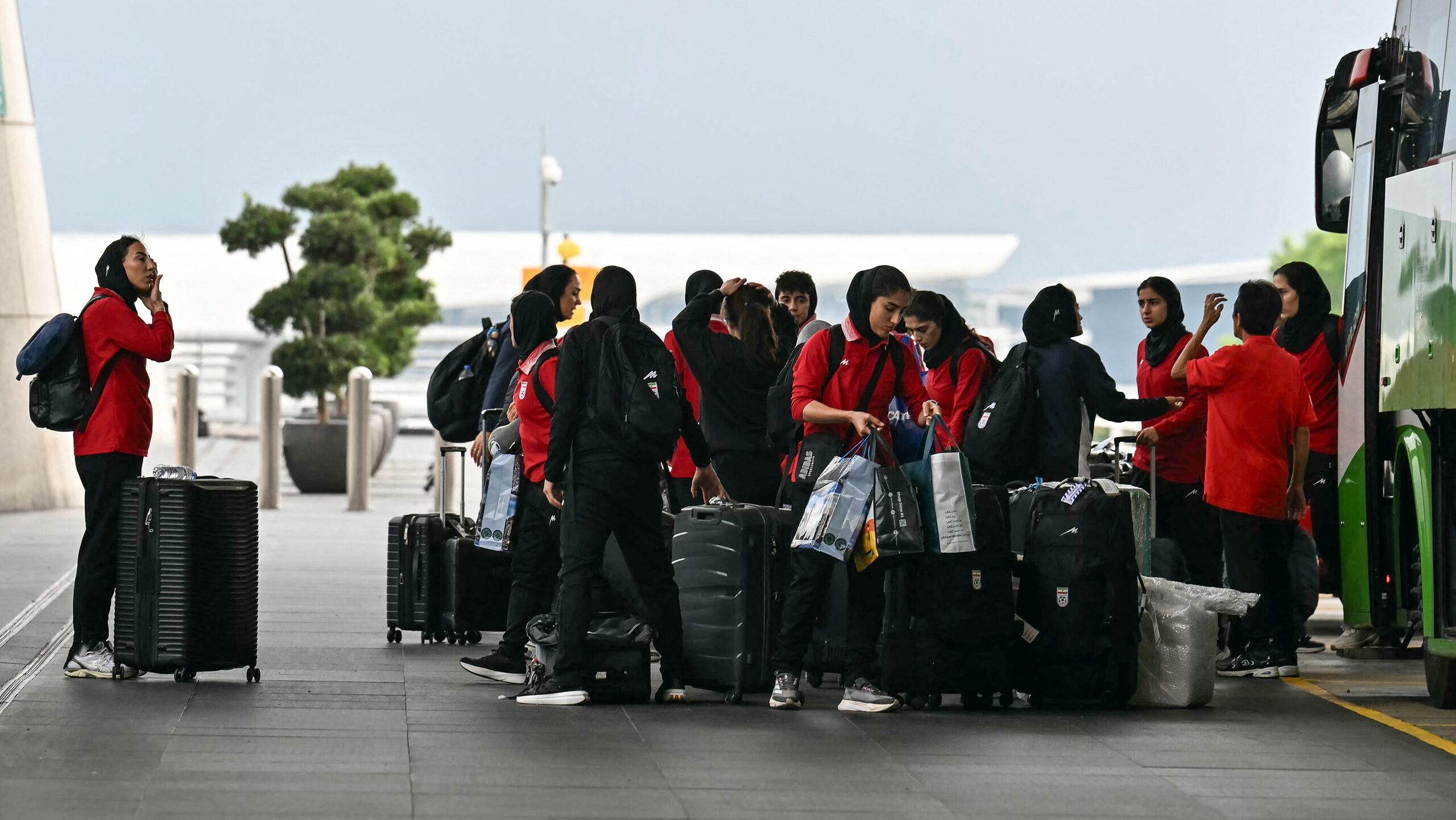
The Iranian women’s national football team flew from Kuala Lumpur to Oman on Monday night, March 16, after five of the seven team members who had sought asylum in Australia reversed course and rejoined the squad, closing one chapter in a politically charged saga that drew in Australia, Iran, the Asian Football Confederation, and FIFA. Two players remain in Australia under government protection after the team’s asylum drama erupted following the Women’s Asian Cup. Reports in Australia have also cited allegations from activists and members of the Iranian diaspora that a team official or another person within the group may have been relaying pressure from Tehran to persuade some players to return, though those claims have not been substantiated.
The team’s departure was arranged through the Iranian Embassy, according to Asian Football Confederation Secretary-General Windsor John, who said Oman was not necessarily the players’ final destination. He said the AFC and FIFA would continue monitoring the situation through Iran’s football federation, adding that the women “are our girls as well.” Earlier, Windsor said federation officials had asked whether the players had concerns about returning and were told, “No, it’s OK.”
Give the gift of hope
We practice what we preach:
accurate, fearless journalism. But we can't do it alone.
- On the ground in Gaza, Syria, Israel, Egypt, Pakistan, and more
- Our program trained more than 100 journalists
- Calling out fake news and reporting real facts
- On the ground in Gaza, Syria, Israel, Egypt, Pakistan, and more
- Our program trained more than 100 journalists
- Calling out fake news and reporting real facts
Join us.
Support The Media Line. Save democracy.

The crisis began after Iran was eliminated from the tournament in Australia. Seven team members accepted Australian protection visas after fears grew over possible repercussions at home, especially after the players did not sing the Iranian national anthem before their opening match, a gesture widely interpreted as either defiance or mourning. Since then, five players and one staff member have reversed their decisions and rejoined the squad in Malaysia, while two players remain in Australia at an undisclosed location. Activist Shiva Amini alleged that a trusted team official had helped persuade some players to go back, while Australian government sources told The Guardian the allegation had been examined but could not be verified.
Australian Assistant Immigration Minister Matt Thistlethwaite called it a “very complex situation” and said Canberra respected the decisions of those who returned while continuing support for those who stayed. The episode has unfolded against already strained ties between Canberra and Tehran. Australia expelled Iran’s ambassador last year after accusing the Islamic Revolutionary Guard Corps of directing arson attacks in Sydney and Melbourne in 2024. Iranian state media, for its part, cast the returning players as having rejected Western pressure.
The case has become about far more than football. It has exposed the risks facing Iranian athletes who are seen as politically disloyal and has left open the hardest question of all: What happens when the cameras move on?
