
Report: Hamas Lists 34 Hostages for Release, Refuses To Confirm Status
Negotiations between Israel and Hamas over a potential ceasefire and hostage release remain deadlocked as disputes over conditions persist. On Sunday, Hamas reportedly agreed to release 34 hostages from a list previously submitted by Israel but refused to confirm whether the individuals were alive.
Israeli officials dismissed reports claiming Hamas had supplied a list of names, asserting instead that Hamas only approved a list provided months ago. The refusal to verify the hostages’ status has hindered further progress, with Israel demanding clarity before advancing negotiations.
Give the gift of hope
We practice what we preach:
accurate, fearless journalism. But we can't do it alone.
- On the ground in Gaza, Syria, Israel, Egypt, Pakistan, and more
- Our program trained more than 100 journalists
- Calling out fake news and reporting real facts
- On the ground in Gaza, Syria, Israel, Egypt, Pakistan, and more
- Our program trained more than 100 journalists
- Calling out fake news and reporting real facts
Join us.
Support The Media Line. Save democracy.
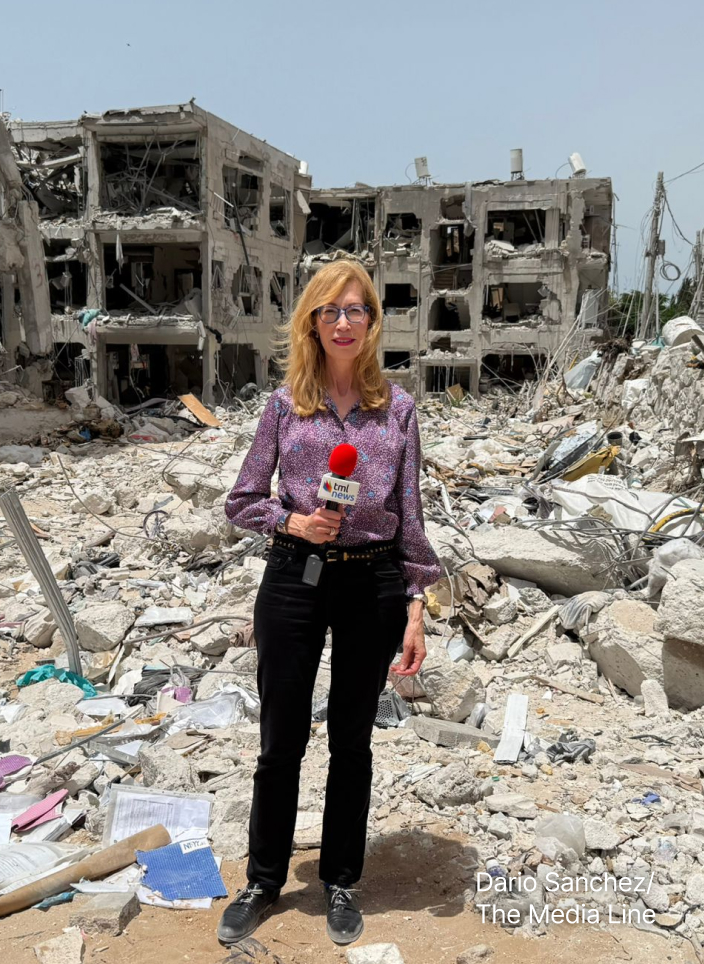
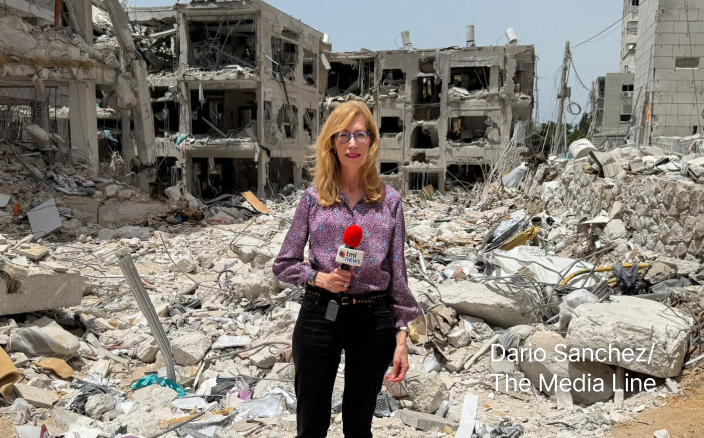
Hamas is reportedly seeking a weeklong truce to ascertain the condition of the hostages, a demand Israel is unlikely to accept without a finalized agreement. Negotiators, including Mossad chief David Barnea and US envoy Brett McGurk, are working in Doha, Qatar, to mediate the talks.
Israeli Prime Minister Benjamin Netanyahu has reiterated that any agreement will not include a complete withdrawal of troops from Gaza, a key Hamas condition. Instead, Netanyahu has emphasized that the fight against Hamas will continue after any interim ceasefire.
The proposed deal could see the release of 34 hostages, including women, elderly captives, and individuals in poor health, but Hamas continues to insist on terms unacceptable to Israel.
With 96 hostages still held in Gaza, and international mediators pressing for progress, the stalemate underscores the complexities of resolving the 15-month conflict and addressing humanitarian concerns on both sides.
