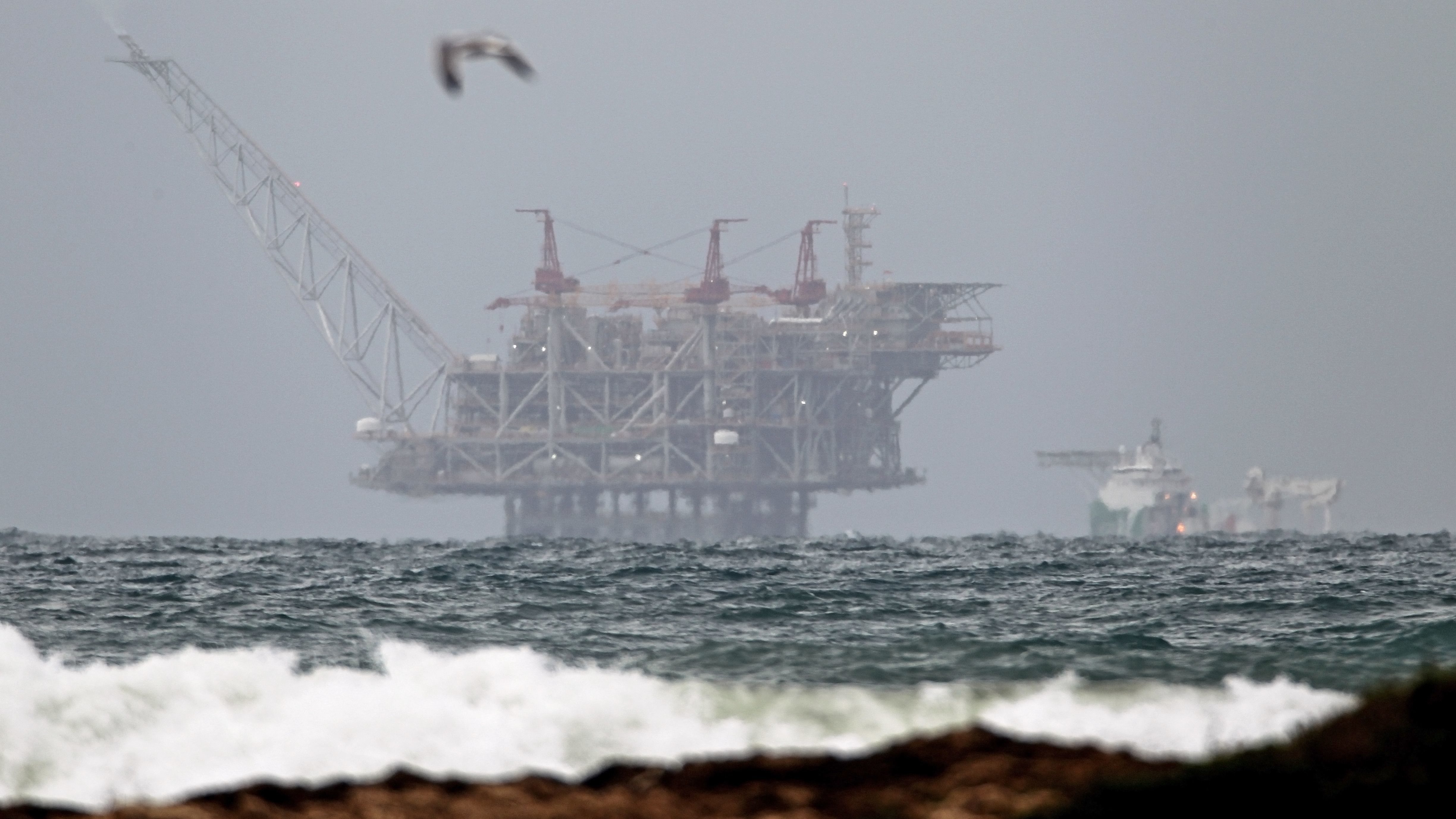
A Strike on Energy Infrastructure Could Leave Israel in the Dark and Thirsty
Maayan Hoffman opens with a question that feels less theoretical by the day: if missiles keep flying, are Israel’s energy facilities next in line? The old rules appear to be breaking down. Israel’s strike on Iran’s South Pars gas field and the damage caused by falling shrapnel at the Bazan oil refinery in Haifa have fueled concern that energy infrastructure is no longer being treated as off-limits.
That matters because Israel’s energy system is a tightly wound machine. Gas rigs, power stations, fuel storage, refineries, and desalination plants are all tied together. Hit one piece hard enough, and the trouble can spread fast—into electricity, water, refrigeration, and daily life. The Institute for National Security Studies warned back in June 2024 that Israel is effectively an “electricity island,” unable to draw power from neighbors in an emergency. The same report said natural gas makes up more than 75% of the country’s energy mix, while storage capacity remains dangerously thin.
Give the gift of hope
We practice what we preach:
accurate, fearless journalism. But we can't do it alone.
- On the ground in Gaza, Syria, Israel, Egypt, Pakistan, and more
- Our program trained more than 100 journalists
- Calling out fake news and reporting real facts
- On the ground in Gaza, Syria, Israel, Egypt, Pakistan, and more
- Our program trained more than 100 journalists
- Calling out fake news and reporting real facts
Join us.
Support The Media Line. Save democracy.

Hoffman shows how that vulnerability could turn from policy problem to national crisis. A direct strike on a gas rig, especially Leviathan off the northern coast, could do far more than dent supply. Yosef Abramowitz argues it could release toxic condensate into the Mediterranean, contaminate water, force desalination plants offline, and leave Israel short on both electricity and drinking water. Since about 80% of Israel’s drinking water depends on desalination, the scenario is not some abstract war-game fantasy. It is the kind of chain reaction that keeps infrastructure planners awake at night.
The piece also points to Haifa as a standing concern. Bazan supplies more than half of Israel’s fuel, diesel, and gasoline, and its location near dense urban areas makes the stakes painfully obvious. Abramowitz says the long-standing assumption of mutual restraint around fossil-fuel sites has now cracked. Once that barrier goes, the country’s exposure looks a lot more serious.
Near the end, Hoffman brings the argument back to a familiar Israeli failure: warnings were issued, recommendations were written, and little was done. Read the full article for the hard numbers, the strategic context, and the troubling picture of how quickly an energy war could become a civilian one.
