Iran Executes 3 Protesters as Nowruz Begins Under a Cloud of Fear
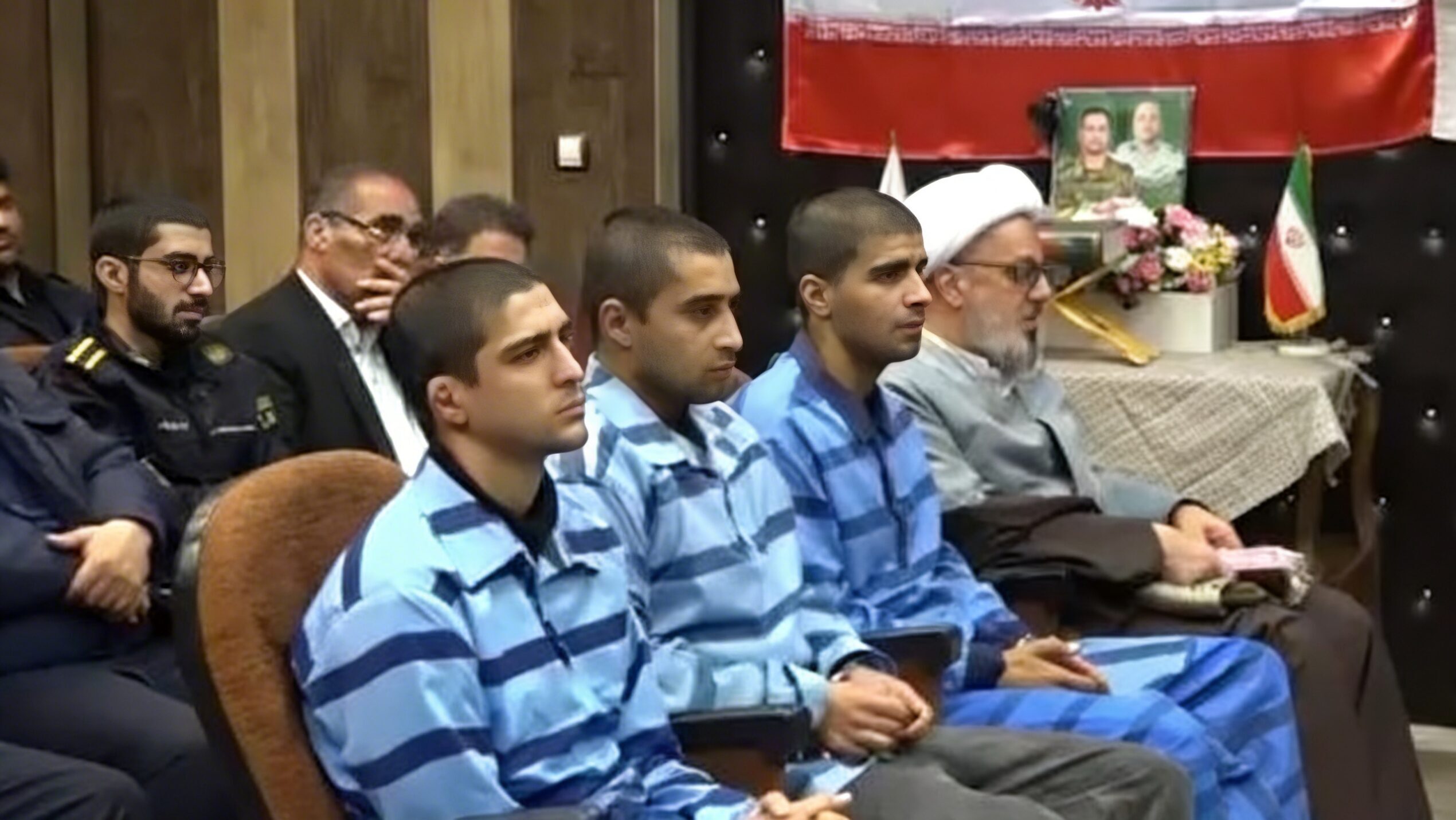
On the eve of Nowruz, as many Iranians prepared for a holiday meant to mark renewal, Omid Habibinia reported that the Islamic Republic delivered a grim message instead: fear still rules, and the gallows are still in use. Three young men tied to January’s uprising in Qom—Saleh Mohammadi, 19; Saeed Davoudi, 22; and Mehdi Ghasemi, believed to be in his early 20s—were executed at dawn after what rights advocates describe as coerced confessions, torture, and sham proceedings dressed up as justice.
The article paints a picture that is bleak even by the standards of Iran’s long record of repression. Mohammadi reportedly withdrew his confession in court and said it had been extracted under torture. Davoudi had originally been sentenced to life in prison, yet he was executed anyway. Ghasemi was condemned on the charge of “enmity against God,” one of the regime’s favorite catch-all tools when it wants the verdict first and the evidence later. Human rights advocates quoted by Habibinia call the killings extrajudicial in substance, whatever paperwork accompanied them.
Give the gift of hope
We practice what we preach:
accurate, fearless journalism. But we can't do it alone.
- On the ground in Gaza, Syria, Israel, Egypt, Pakistan, and more
- Our program trained more than 100 journalists
- Calling out fake news and reporting real facts
- On the ground in Gaza, Syria, Israel, Egypt, Pakistan, and more
- Our program trained more than 100 journalists
- Calling out fake news and reporting real facts
Join us.
Support The Media Line. Save democracy.

The hangings did not come alone. A day earlier, the judiciary’s news outlet reported the execution of Kourosh Keyvani, a Swedish-Iranian citizen accused of spying for Israel. Activists interviewed in the piece say these cases are part of a broader campaign of retaliation as the regime faces war pressure, domestic anger, and the lingering threat of more protests. They warn that dozens, possibly hundreds, of detainees may now be at risk of secret executions, summary trials, denial of medical care, or what one activist chillingly describes as “silent execution.”
Habibinia also traces the widening machinery of fear beyond the execution chamber. Families say loved ones have vanished into a legal black hole after violent arrests, with no warrants, no clear charges, and no word on where detainees are being held. Reports from prisons point to deteriorating conditions, blocked visits, cut communications, and deep uncertainty over who may be next. This is not just a story about three executions. It is a story about a state trying to break a society before the next spark catches. Read Habibinia’s article and watch the video report for the details, the voices of the activists, and the human stakes behind the headlines.
