
Col. Richard Kemp Sees Hezbollah as Iran’s Frontline Weapon Against Israel
Gabriel Colodro’s interview with retired British Army Col. Richard Kemp reads less like a narrow battlefield briefing and more like a strategic overview of a region sliding deeper into confrontation. Kemp’s central argument is blunt: Israel’s operation in Lebanon is not merely about stopping rocket fire across the border. It is about dismantling Hezbollah as Iran’s most potent military instrument before that force can fully unleash its capabilities.
Speaking to The Media Line, Kemp tells Gabriel Colodro that Hezbollah’s missile arsenal was never meant to gather dust. In his view, the group was created for a regional war exactly like this one, tied to Israeli and US military pressure on Iran. “Hezbollah, of course, exists for this very moment,” he says, warning that as long as the organization retains operational capability, Israeli civilians remain at risk.
That reality shapes what Kemp believes Israel’s goals must be. Eliminating leadership alone will not change the strategic equation, he argues, because replacements always emerge. Instead, the campaign must dismantle the entire military structure—launch sites, stockpiles, command networks, and the combatants operating them. Without that, Hezbollah remains a standing threat capable of reigniting the conflict.
Give the gift of hope
We practice what we preach:
accurate, fearless journalism. But we can't do it alone.
- On the ground in Gaza, Syria, Israel, Egypt, Pakistan, and more
- Our program trained more than 100 journalists
- Calling out fake news and reporting real facts
- On the ground in Gaza, Syria, Israel, Egypt, Pakistan, and more
- Our program trained more than 100 journalists
- Calling out fake news and reporting real facts
Join us.
Support The Media Line. Save democracy.
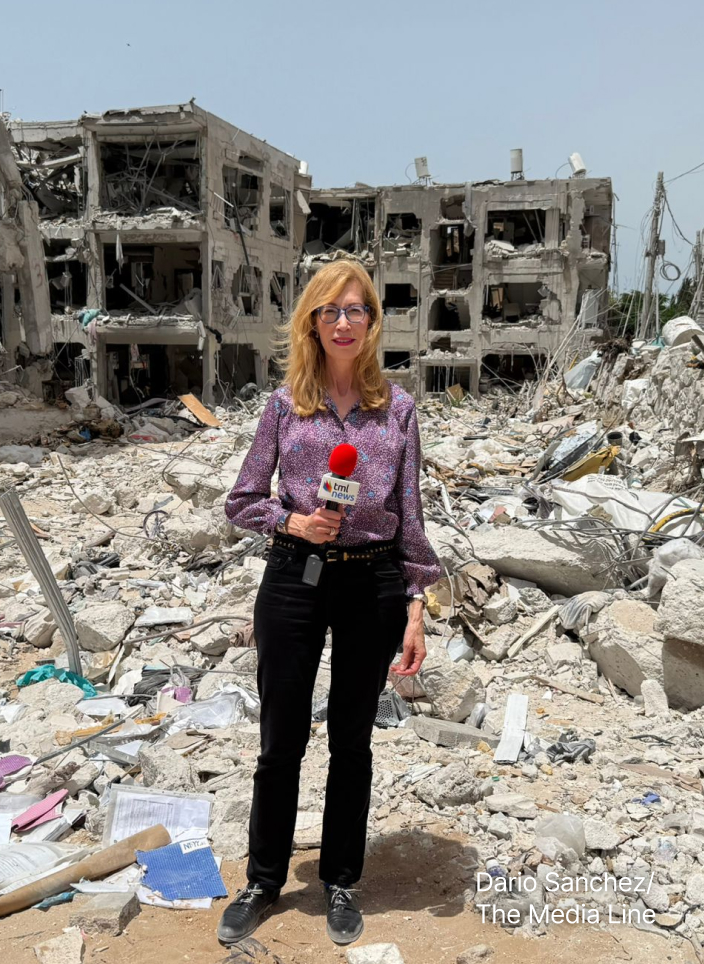
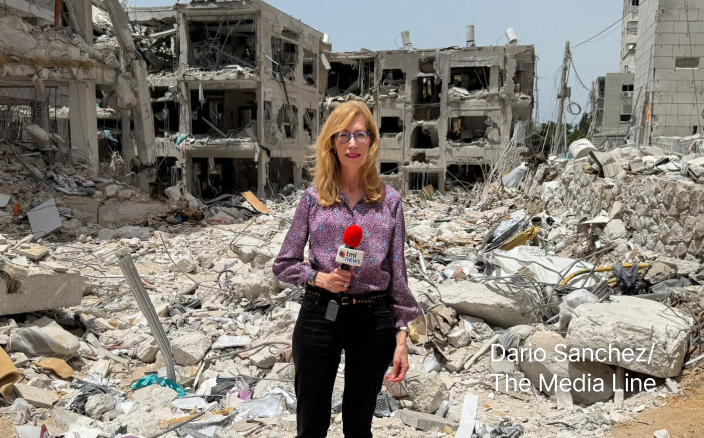
Kemp also frames the fighting in Lebanon as inseparable from the broader confrontation with Tehran. According to him, Iran has tried to widen the war across the Middle East, hoping regional instability would pressure Arab governments such as Saudi Arabia and the United Arab Emirates to push Washington toward restraint. Kemp believes the opposite may be happening, with several states drifting closer to an informal coalition aligned with the United States.
The retired commander is equally blunt about the wider military picture. He argues that recent US-Israeli strikes have severely degraded Iran’s capabilities, including naval, air, and missile forces, though the long-term political consequences remain unpredictable.
The real question, Kemp says, is what comes after the fighting. A messy transition inside Iran, internal power struggles, or even prolonged instability are all possible outcomes.
For readers trying to understand how the Lebanon front fits into the wider Iran-Israel war, the full article and the accompanying video offer a deeper look at Kemp’s stark assessment of where this conflict could be heading.
