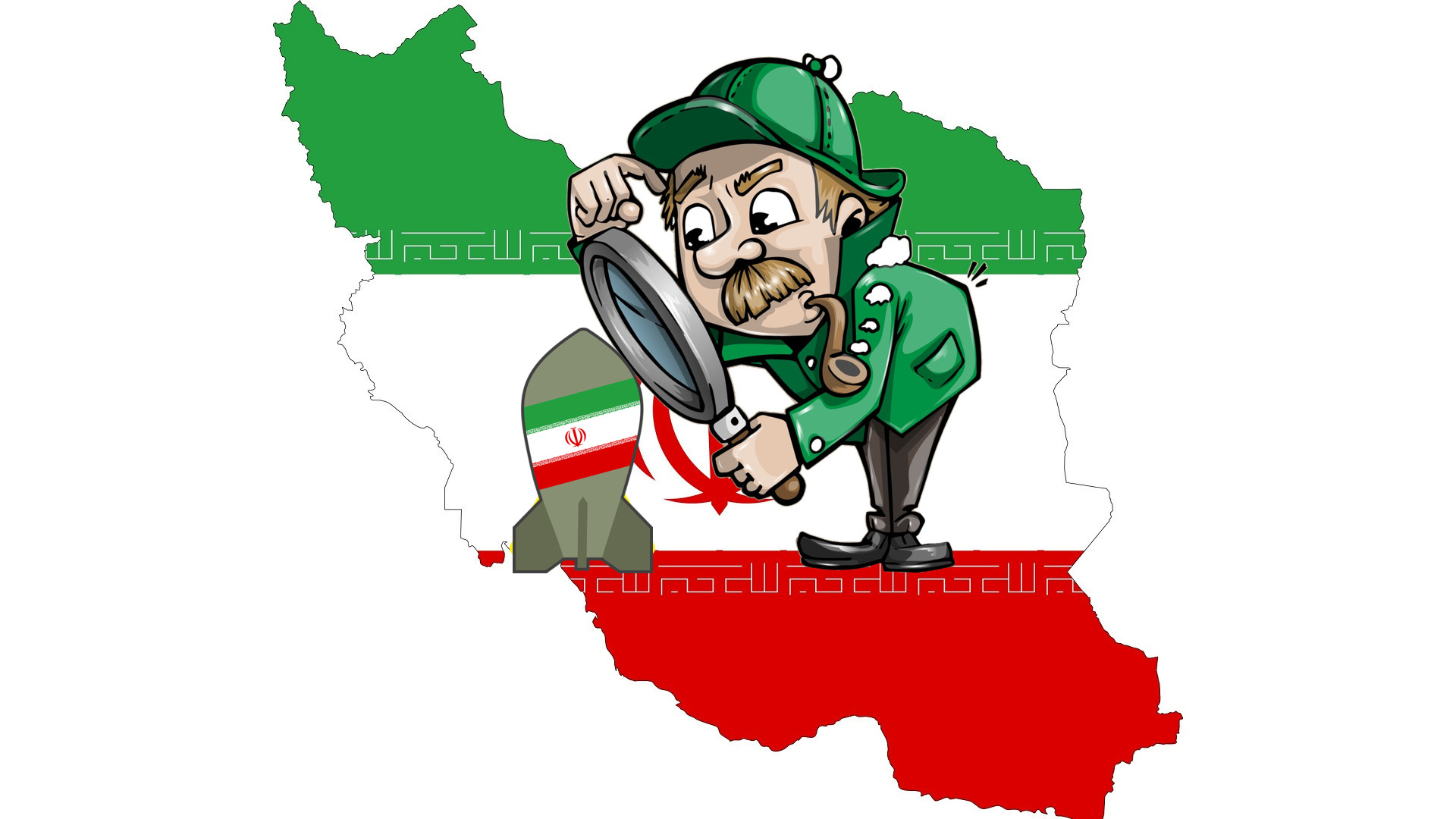
Iran and IAEA Seal Cairo Understanding To Restart Inspections
Iran and the International Atomic Energy Agency (IAEA) agreed Tuesday in Cairo to restart nuclear cooperation and move toward renewed inspections after a months-long freeze, officials said. The announcement came at a joint news conference with Iranian Foreign Minister Abbas Araghchi, Egyptian Foreign Minister Badr Abdelatty, and IAEA Director General Rafael Grossi, with Egypt positioning itself as a bridge to de-escalation.
Araghchi said Tehran would enhance cooperation in a manner that respects Iranian sovereignty and protects national security, while insisting Iran would not abandon its nuclear policy or rights. Abdelatty described Egypt’s role as encouraging a return to negotiations and narrowing gaps between Iran and European capitals to stabilize the region.
Give the gift of hope
We practice what we preach:
accurate, fearless journalism. But we can't do it alone.
- On the ground in Gaza, Syria, Israel, Egypt, Pakistan, and more
- Our program trained more than 100 journalists
- Calling out fake news and reporting real facts
- On the ground in Gaza, Syria, Israel, Egypt, Pakistan, and more
- Our program trained more than 100 journalists
- Calling out fake news and reporting real facts
Join us.
Support The Media Line. Save democracy.
Grossi wrote on X that Iran and the agency had agreed on “practical modalities” to resume on-the-ground verification, calling the development a “step in the right direction that opens the door for diplomacy and stability.” Photos he posted showed him signing documents with Araghchi.
Tehran suspended cooperation after strikes on its nuclear facilities and the assassinations of nuclear scientists in June. The Supreme National Security Council subsequently required case-by-case approval for any IAEA visits and demanded guarantees for the safety of sites and personnel. Talks in Vienna on Friday and Saturday set up the Cairo announcement.
The IAEA, the UN’s nuclear watchdog, has monitored Iran’s program for years under safeguards agreements tied to the 2015 nuclear deal. Since the US exit from that accord in 2018, access has tightened and monitoring has eroded, leaving European states and regional actors pressing for a verification framework that can curb risk and lower tensions. The new steps, if implemented, could restore a baseline for inspections while longer-term diplomacy plays out.
