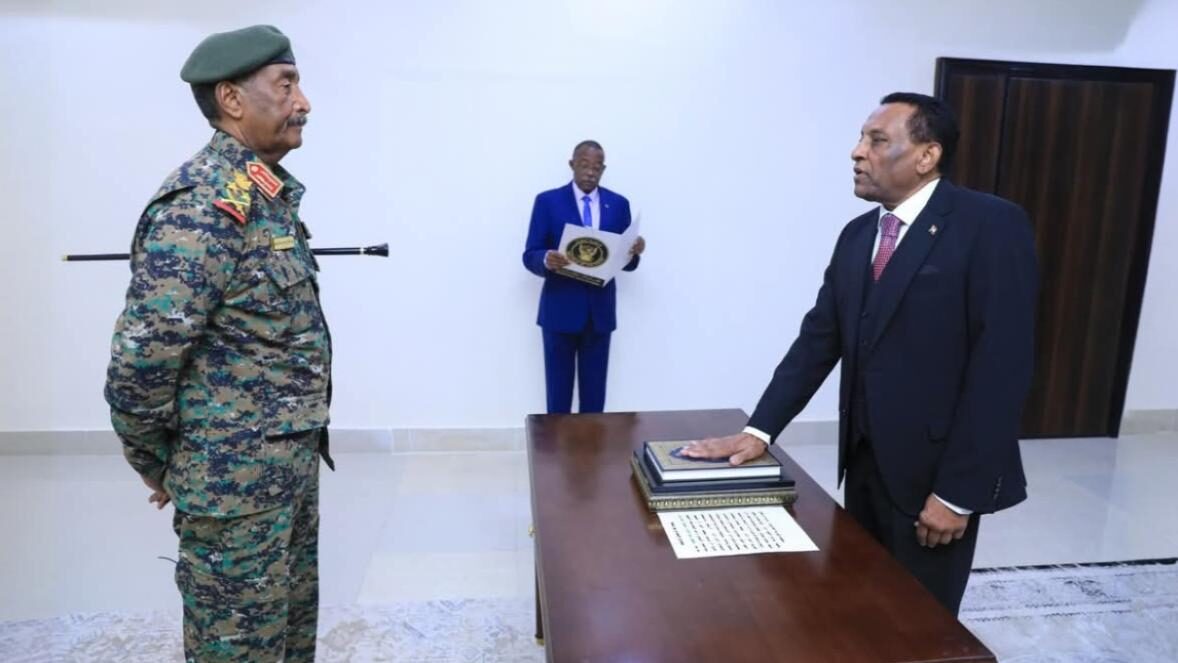
Kamil Idris Vows ‘Inclusive’ Talks as Sudan Government Returns to Capital
For the first time since Sudan’s civil war erupted in April 2023, the country’s transitional government gathered in Khartoum on Tuesday, signaling a push to restore central authority and chart a path out of chaos. The meeting, chaired by transitional Prime Minister Kamil Idris and attended by all 22 cabinet members, focused on what Idris called “an inclusive Sudanese-Sudanese dialogue that excludes no one.”
The government laid out priorities ranging from post-war reconstruction and economic revival to improved security for citizens and the return of millions displaced by the conflict. Idris also stressed the importance of strengthening Sudan’s foreign ties through both formal diplomacy and broader public engagement.
Give the gift of hope
We practice what we preach:
accurate, fearless journalism. But we can't do it alone.
- On the ground in Gaza, Syria, Israel, Egypt, Pakistan, and more
- Our program trained more than 100 journalists
- Calling out fake news and reporting real facts
- On the ground in Gaza, Syria, Israel, Egypt, Pakistan, and more
- Our program trained more than 100 journalists
- Calling out fake news and reporting real facts
Join us.
Support The Media Line. Save democracy.
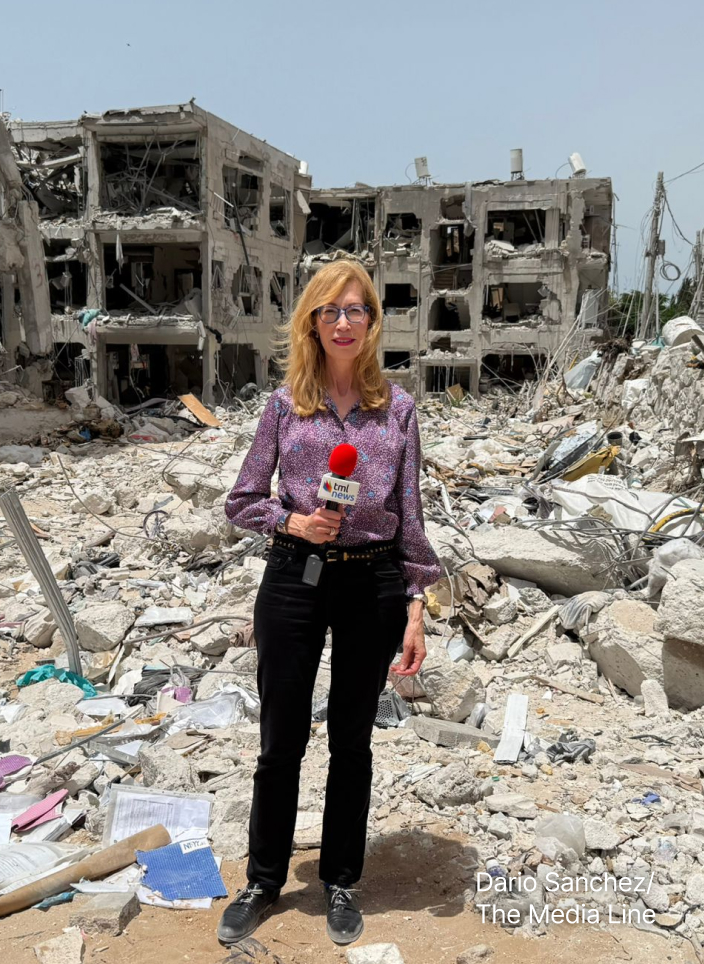
At a press conference after the cabinet session, Idris framed the agenda as both pragmatic and urgent: rebuilding shattered infrastructure, reviving productive sectors to boost national output, and ensuring refugees and displaced citizens can return voluntarily. He confirmed plans for the government to relocate permanently from Port Sudan—its wartime administrative hub in the east—back to Khartoum in the coming months.
Sudan remains fractured by fighting between the Sudanese Armed Forces and the paramilitary Rapid Support Forces, a struggle that has killed tens of thousands and forced millions from their homes. International observers view the resumption of cabinet meetings in the capital as a symbolic attempt to reassert state control in a country still caught in one of the world’s worst humanitarian crises.
Whether dialogue and reconstruction efforts can take hold, with two rival armies still locked in battle, remains the central question.
