Kurds, Iran, and Israel: High-Stakes Balancing Act in New US–Syria Strategy
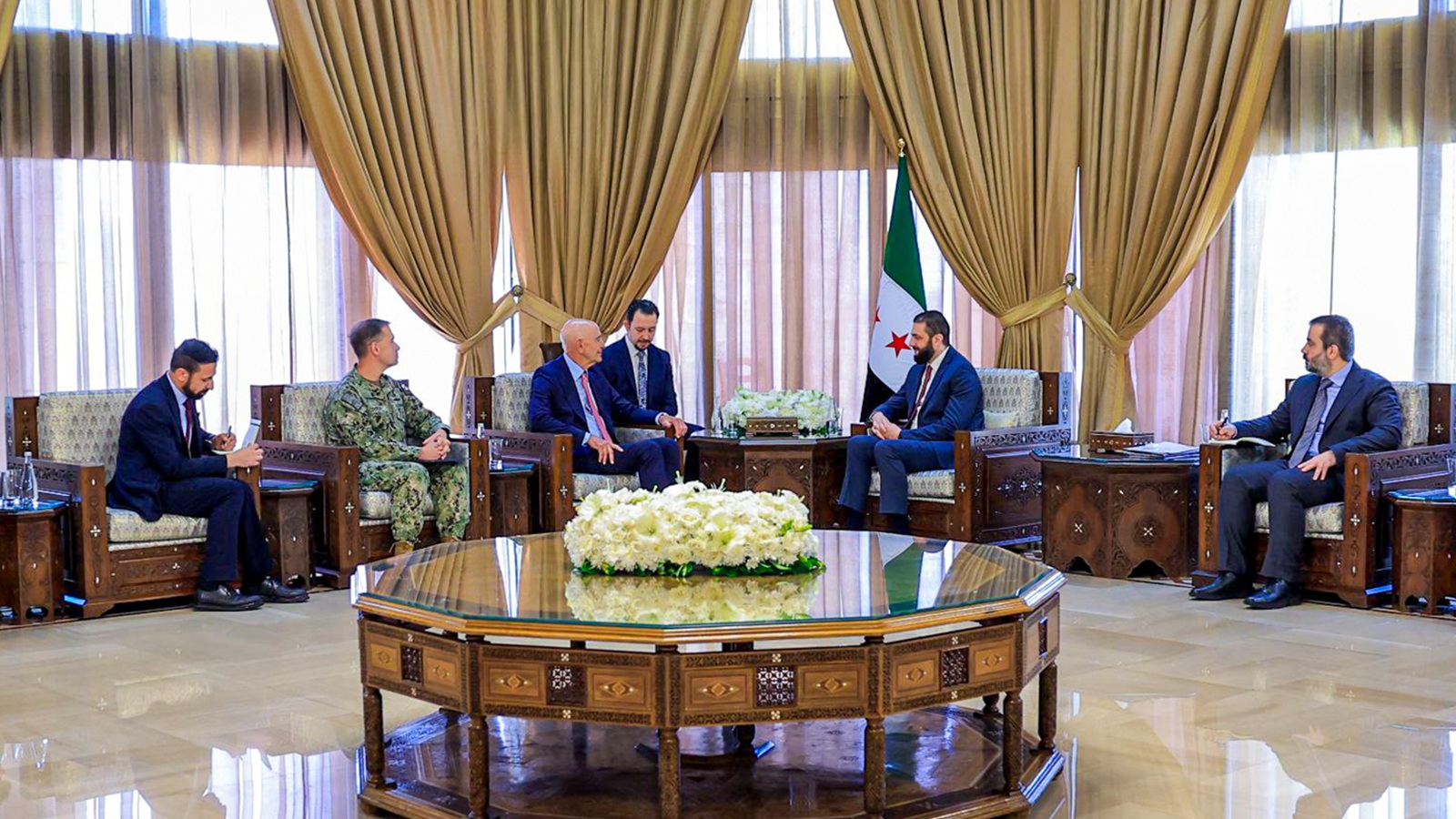
In a turn few in Washington would have predicted a decade ago, Giorgia Valente reports that the US has carried out its first acknowledged joint mission with Syrian President Ahmed al-Sharaa, a former jihadist leader, against ISIS. In late November, US forces and Syria’s Interior Ministry units destroyed 15 ISIS weapons caches in the Rif Dimashq Governorate, a limited strike that marked a much larger political gamble by the American president.
The operation follows the White House decision to lift sanctions on Damascus and welcome al-Sharaa to Washington, effectively recognizing his government after years of isolation. Analysts like Prof. Joseph Young see a “little bit amazing” realignment: a one-time al-Qaida figure now cast as a counterterrorism partner, even as doubts linger about his control over a hastily assembled, often undisciplined security apparatus.
Give the gift of hope
We practice what we preach:
accurate, fearless journalism. But we can't do it alone.
- On the ground in Gaza, Syria, Israel, Egypt, Pakistan, and more
- Our program trained more than 100 journalists
- Calling out fake news and reporting real facts
- On the ground in Gaza, Syria, Israel, Egypt, Pakistan, and more
- Our program trained more than 100 journalists
- Calling out fake news and reporting real facts
Join us.
Support The Media Line. Save democracy.
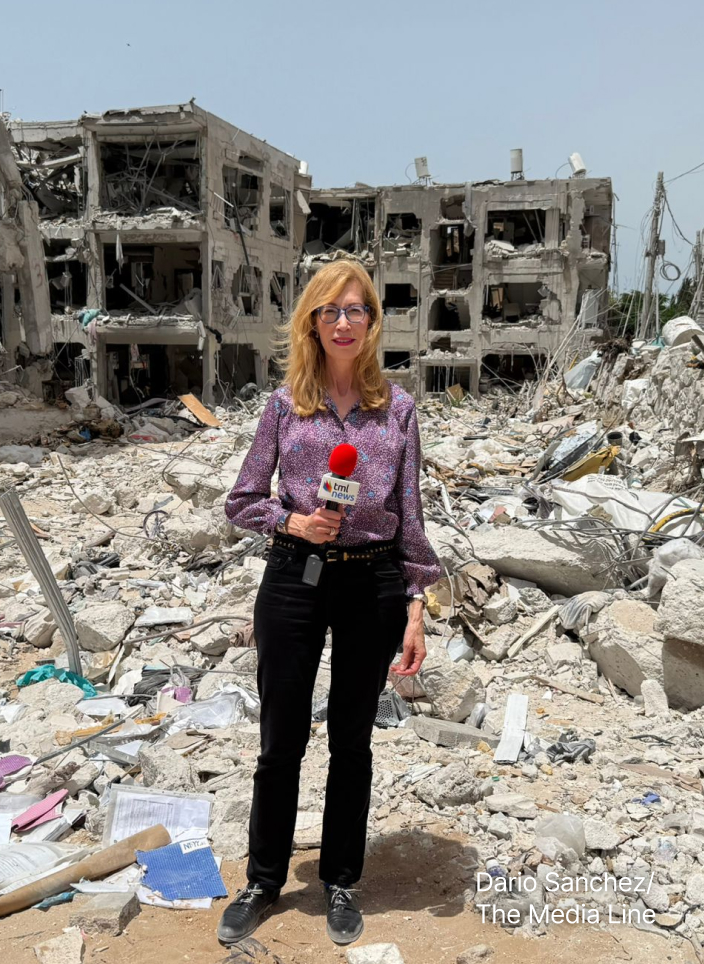
As Valente explains, Washington is testing whether it can work with al-Sharaa to contain ISIS, curb Iran’s influence, and manage Israel’s concerns while keeping faith with Kurdish-led forces that have long been central to the US mission in northern and eastern Syria. The March 10 agreement to integrate Kurdish structures into the Syrian state, pressure from Turkey, and the risk of clashes between Syrian and Kurdish units all hang over this experiment.
Experts Jean Marcou and Ahmed Sharawi describe a fragile balance: the US trying to draw Damascus away from Iran and Hezbollah, preserve Kurdish leverage, and avoid a wider war with Israel on Syria’s soil—all with limited troops on the ground. Valente’s full piece shows how this “soft” joint operation could signal a new, uneasy chapter in US–Syrian relations that readers will want to follow closely. Her reporting tracks a gamble that could reshape the region’s map.
