PKK’s Disarmament Plan Sparks Hope and Doubt Across the Region
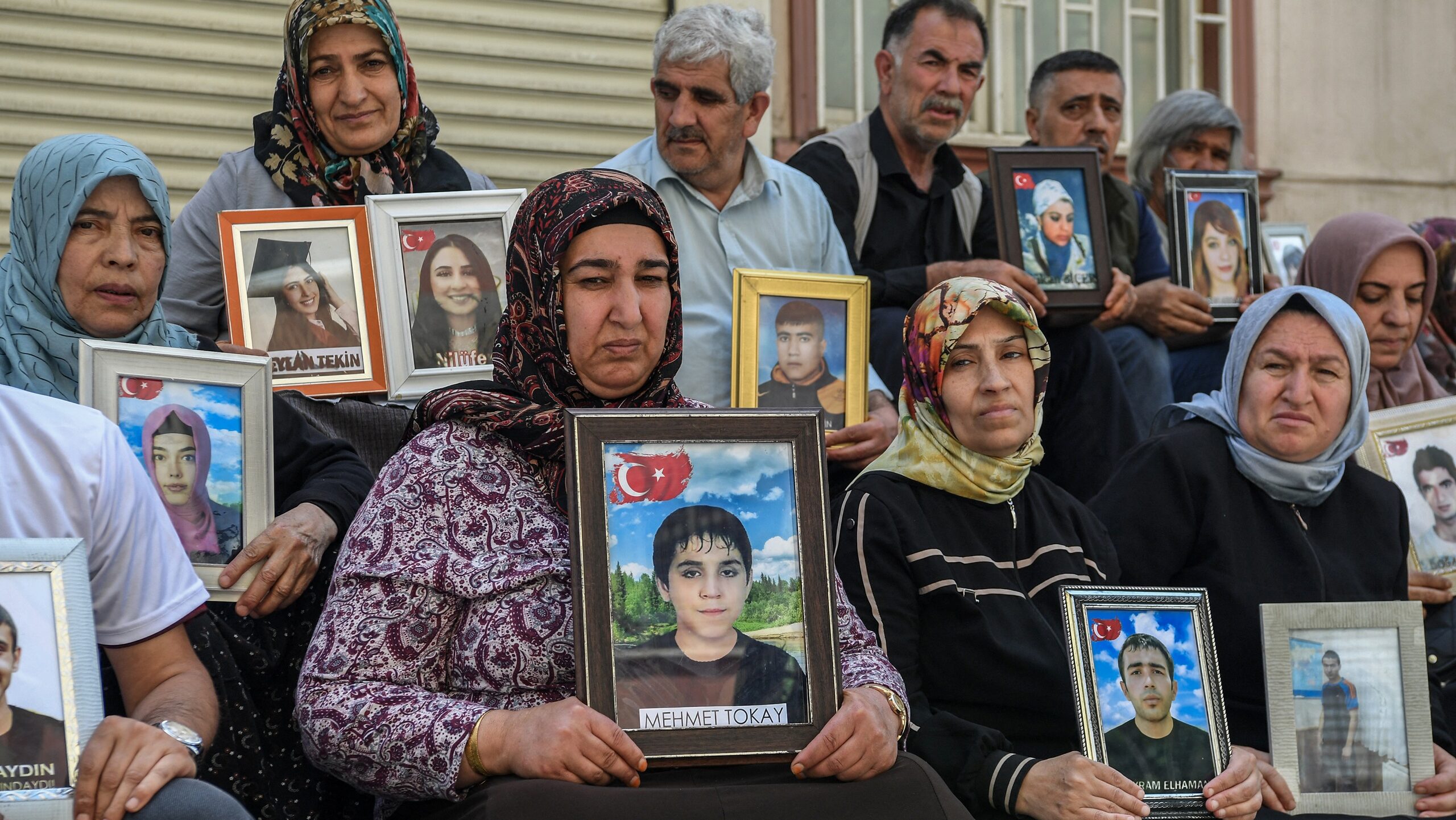
In a major shift after more than 40 years of armed conflict, the Kurdistan Workers’ Party (PKK) has declared its intention to lay down arms, a move that could reshape Kurdish relations with Turkey and the broader region. As reporter Giorgia Valente writes, the decision comes unilaterally, without negotiations or guarantees from Ankara, raising skepticism among activists and analysts alike.
PKK leaders, based in the Qandil Mountains, say they now seek democratic engagement rather than armed struggle. Some, like political analyst Kawa Hassan, see the announcement as a potential opening for peace, while others warn that without concessions from Turkey, the disarmament could prove hollow. Turkish President Recep Tayyip Erdoğan has so far remained silent, with analysts predicting a cautious, incremental response from Ankara.
Give the gift of hope
We practice what we preach:
accurate, fearless journalism. But we can't do it alone.
- On the ground in Gaza, Syria, Israel, Egypt, Pakistan, and more
- Our program trained more than 100 journalists
- Calling out fake news and reporting real facts
- On the ground in Gaza, Syria, Israel, Egypt, Pakistan, and more
- Our program trained more than 100 journalists
- Calling out fake news and reporting real facts
Join us.
Support The Media Line. Save democracy.
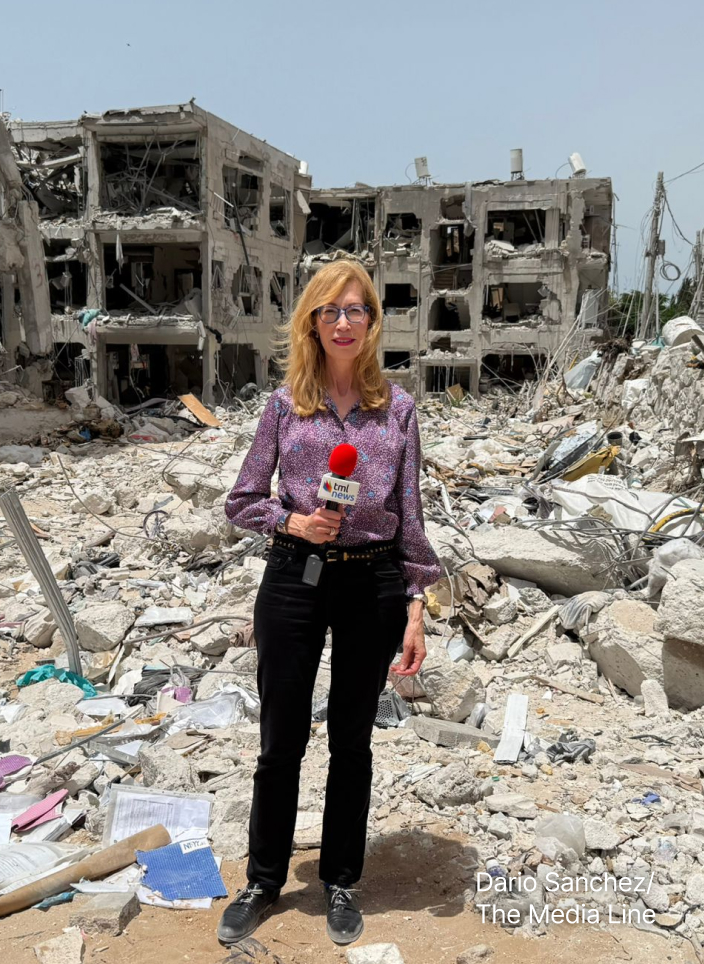
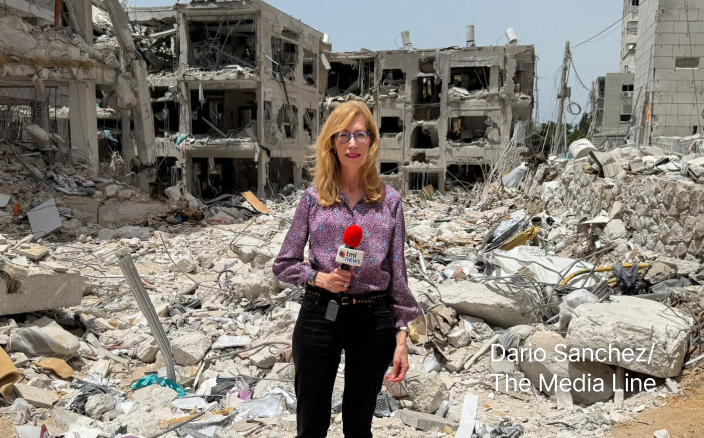
Reactions in the region have been mixed. In Iraqi Kurdistan, many hope this will end Turkish airstrikes. In Syria, the announcement could ease tensions for the Democratic Union Party (PYD), the PKK’s local affiliate. Still, Kurdish voices like activist Juan Saadoun fear the move may erode Kurdish gains in Syria and Turkey alike without securing real political rights.
The disarmament process itself remains murky, with no clear role for international supervision. Comparisons to Colombia’s FARC disarmament show the scale of coordination required—something lacking in the Middle East. The US is watching closely, torn between support for Kurdish forces and its strategic ties with Turkey.
As Valente reports, many Kurds are willing to support a peaceful path forward—but only if it comes with recognition, not erasure.
