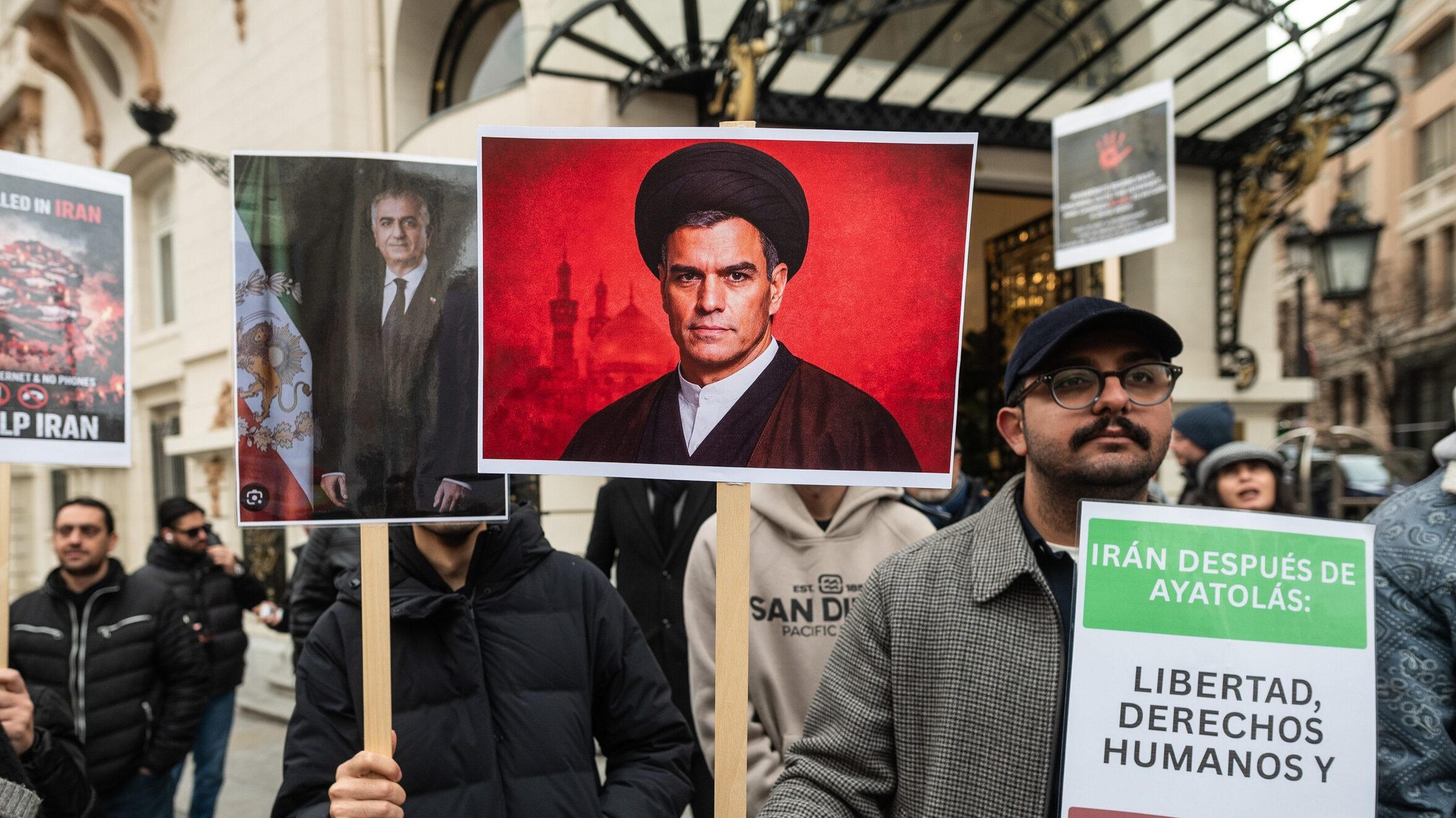
Sánchez’s Iran Gambit Puts Madrid on a Collision Course With Washington
Gabriel Colodro’s report is about more than a diplomatic spat. It is a snapshot of a Western alliance fraying in public, with Spain suddenly cast as the awkward relative at the NATO dinner table who has decided now is the perfect time to pick a fight.
The trigger was Prime Minister Pedro Sánchez’s refusal to authorize the use of the Rota naval base and Morón air base for Iran-related operations. Those facilities, long tied to US military logistics in the Mediterranean and Middle East, sit at the center of Spain’s dispute with Washington. President Donald Trump responded with a threat of possible trade retaliation, while Israeli Foreign Minister Gideon Sa’ar piled on through sharp-edged posts on X, mocking Sánchez and pointing to praise for Madrid from Hamas, the Houthis, and Iran.
Give the gift of hope
We practice what we preach:
accurate, fearless journalism. But we can't do it alone.
- On the ground in Gaza, Syria, Israel, Egypt, Pakistan, and more
- Our program trained more than 100 journalists
- Calling out fake news and reporting real facts
- On the ground in Gaza, Syria, Israel, Egypt, Pakistan, and more
- Our program trained more than 100 journalists
- Calling out fake news and reporting real facts
Join us.
Support The Media Line. Save democracy.
Colodro shows that this is not just about one decision on military bases. Spain has also downgraded diplomatic representation in Israel, adding another layer to a broader foreign policy realignment that critics say is pulling Madrid away from its traditional allies. Jorge Buxadé of Vox frames Sánchez’s position as both ideological and opportunistic, arguing that the Spanish leader is playing to the far-left vote while distracting from domestic scandals. In that telling, Sánchez is not expressing a national consensus but making a personal political bet with international consequences.
The story gets richer when it moves beyond partisan attack lines. Spanish analyst Jesús M. Pérez Triana argues that Sánchez is tapping into a deeply rooted political instinct in Spain: the old “No to war” reflex that became dominant during the 2003 Iraq war. That anti-war sentiment, combined with Spain’s different historical experience from much of Europe, helps explain why military confrontation is viewed through a different lens in Madrid than in other NATO capitals.
There is also an older ghost in the room: Iran’s media footprint in Spain, especially through HispanTV and Pablo Iglesias’ years as host of Fort Apache before entering government. Colodro uses that history well, showing how debates over Tehran’s influence keep resurfacing whenever tensions with Iran rise.
Read Colodro’s full article for the political texture, the quotes, and the wider sense that this quarrel is about far more than air bases. It is about Spain’s place in the West, and who gets to define it.
