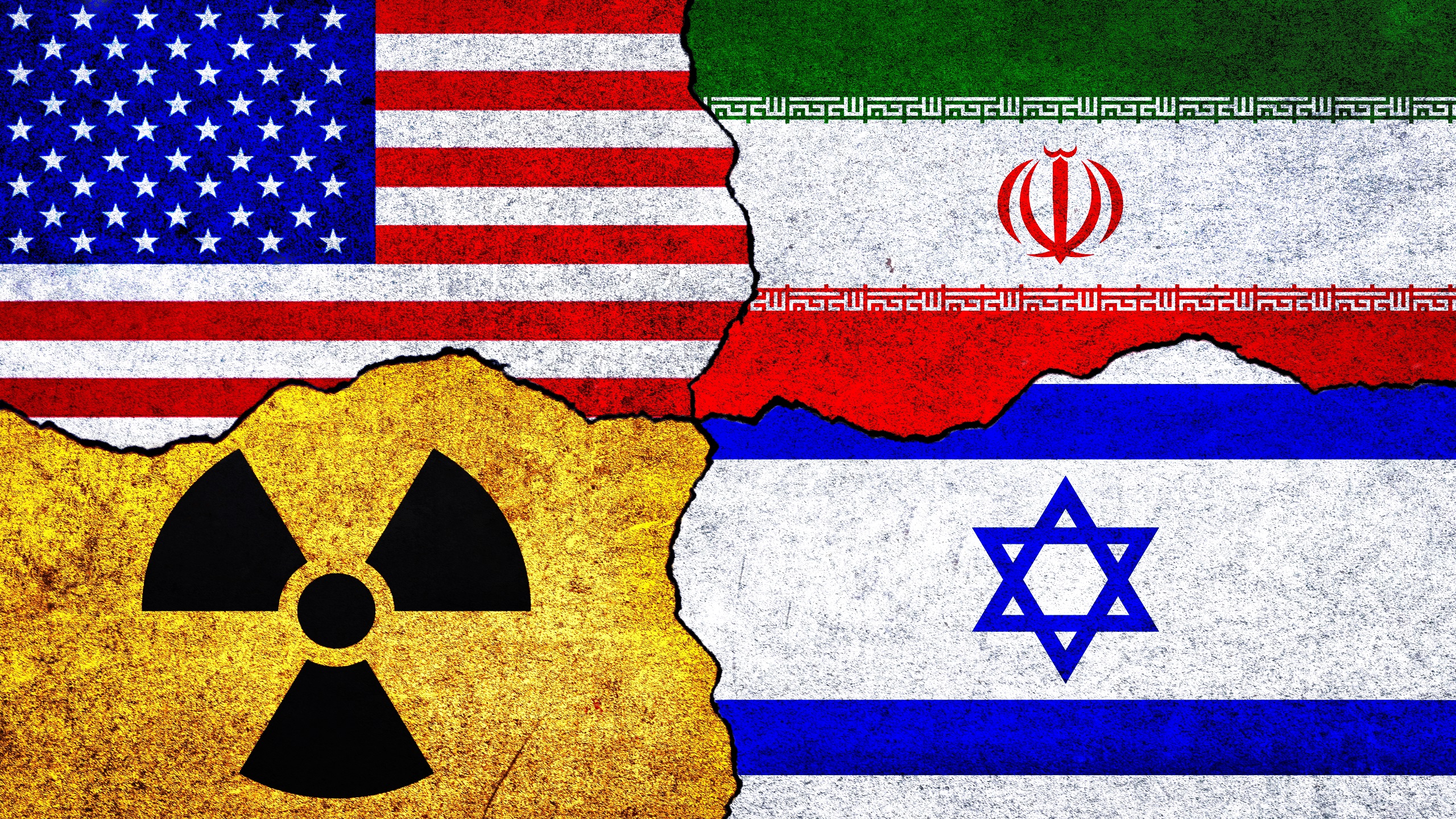
Trump’s Iran Pause Sparks Fears of a War Left Unfinished
Gabriel Colodro reports on a new and uneasy phase in the war with Iran, after President Donald Trump announced “productive conversations” with Tehran and a five-day pause in strikes on Iranian energy infrastructure. What might sound like a diplomatic opening has instead triggered a sharp debate in Israel and among policy analysts over whether the pressure campaign is being eased before its most important goals have been secured.
At the heart of the concern is a blunt question: What, exactly, would end this war well? Israeli lawmaker Ram Ben Barak, a former deputy director of the Mossad, told The Media Line that any outcome leaving enriched uranium in Iranian hands and its missile program insufficiently restricted would amount to failure, no matter what was achieved militarily. He is not against an agreement in principle, but he argues that a deal must lock in battlefield gains rather than hand Tehran breathing room and call it peace.
Give the gift of hope
We practice what we preach:
accurate, fearless journalism. But we can't do it alone.
- On the ground in Gaza, Syria, Israel, Egypt, Pakistan, and more
- Our program trained more than 100 journalists
- Calling out fake news and reporting real facts
- On the ground in Gaza, Syria, Israel, Egypt, Pakistan, and more
- Our program trained more than 100 journalists
- Calling out fake news and reporting real facts
Join us.
Support The Media Line. Save democracy.
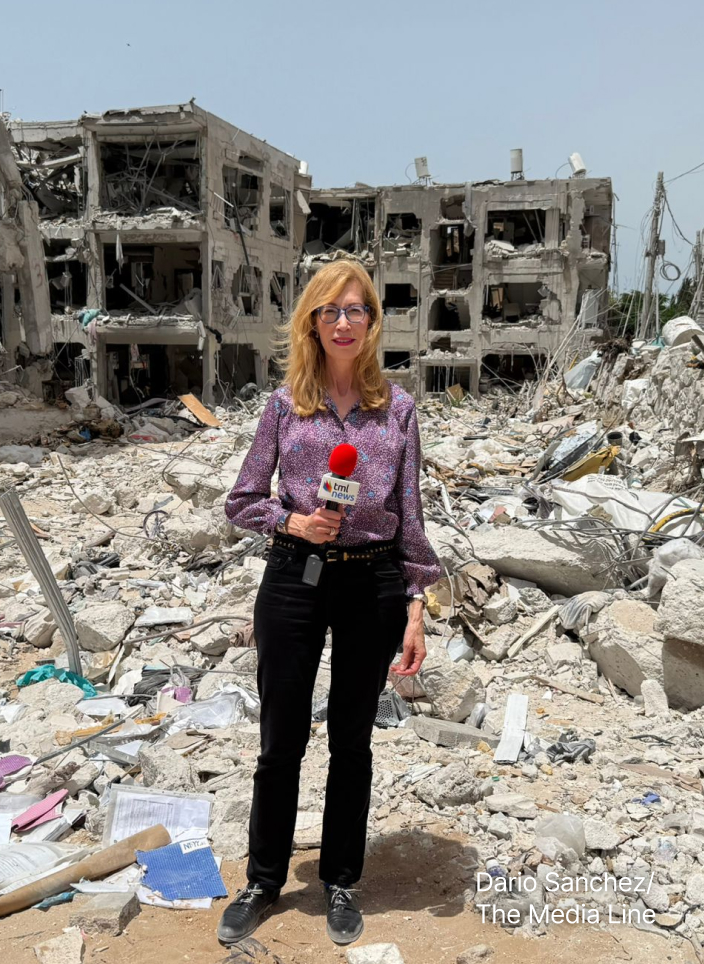
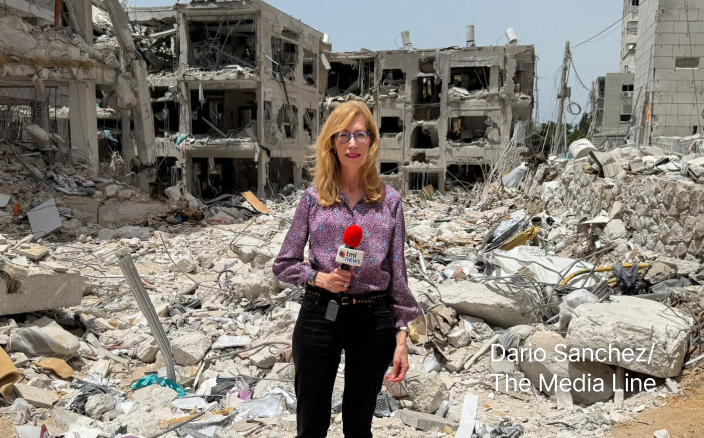
Colodro also brings in Prof. Eytan Gilboa, who sees the pause less as a full diplomatic turn than as an attempt to cool the temperature, especially around energy targets and the Strait of Hormuz, after pressure from Gulf states worried about economic fallout. Gilboa notes that President Trump’s choice of the word “conversations,” rather than “negotiations,” may be deliberate—a looser formulation that preserves room to maneuver while revealing little about where matters are headed.
Janatan Sayeh offers the darkest read of the bunch. He argues that Iran has long used engagement as a delaying tactic and warns that a pause without a clear exit strategy could prolong the war, weaken momentum, and possibly close off any chance of deeper political change inside Iran. In his view, Tehran is unlikely to make meaningful concessions and is more likely to use the break to regroup.
The piece leaves readers with the real issue still unresolved: whether this pause is a tactical breather, a political pivot, or the start of a settlement that stops short of dealing with uranium, missiles, and Iran’s regional reach. Colodro lays out that tension with clarity, and the full article is worth reading for the competing assessments of what victory, failure, and compromise now look like.
