Declawing, Not Nail Trimming, the Brotherhood
Al Qabas, Kuwait, September 24
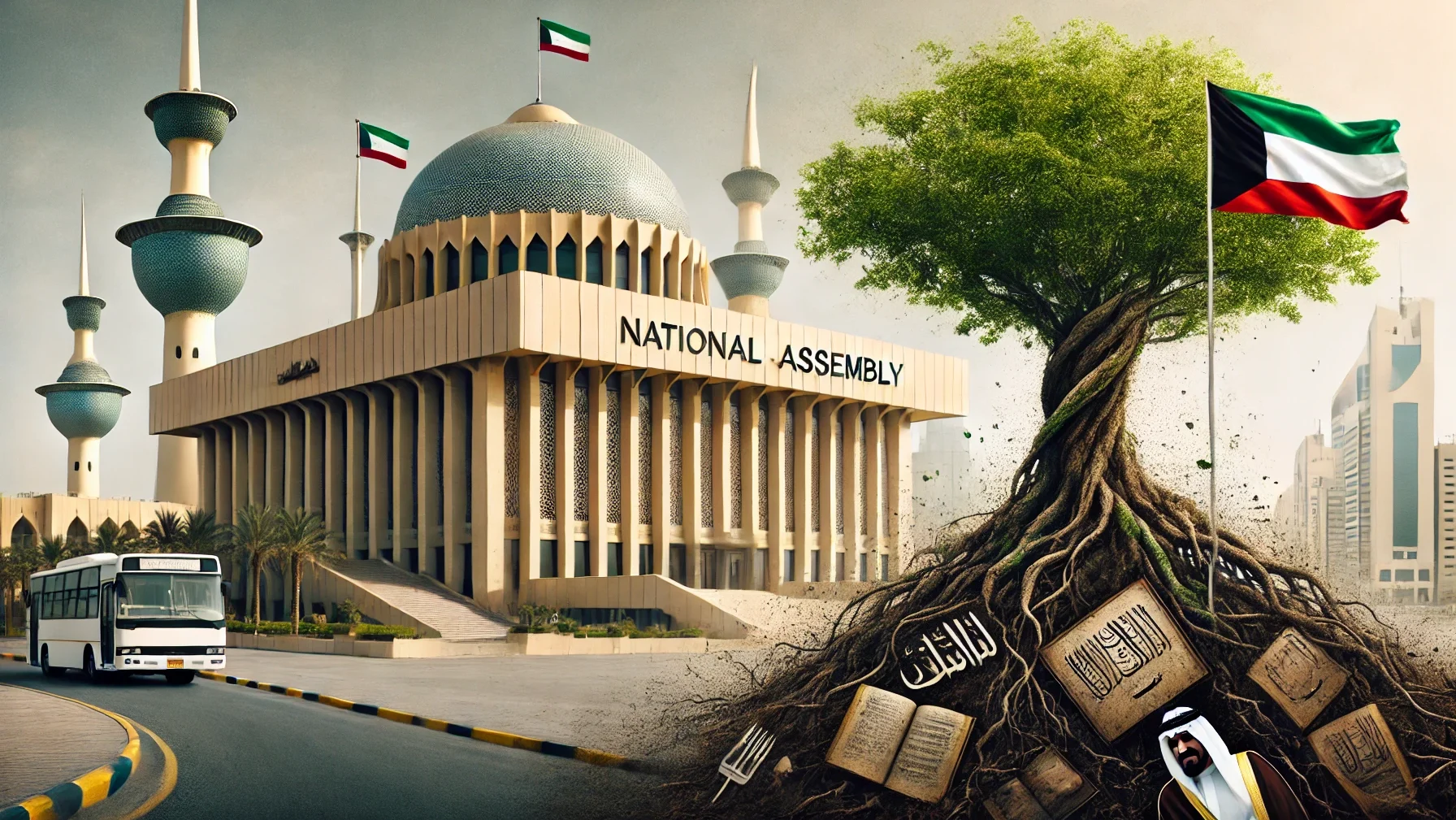
Nayef Salem penned an incisive piece on the Lebanese website Asas titled “The Muslim Brotherhood’s Nails Have Begun to Be Trimmed.” However, the reality is that the Brotherhood requires a more thorough intervention—mere trimming won’t suffice, as their influence is likely to grow back. If we rewind just five months, the landscape in Kuwait was markedly different: The Islamic Constitutional Movement, the Kuwaiti branch of the Muslim Brotherhood, held a significant presence in the National Assembly and wielded substantial sway over the government through both overt and covert members. Their influence permeated most state institutions under various guises, their grip on the political scene was strong, and their reach extended broadly into societal institutions. However, recent developments have begun to alter this scenario. Following the dissolution of the National Assembly and the suspension of some constitutional articles last May, most Brotherhood representatives have lost their effectiveness and opted for silence. The Brotherhood’s operatives within state institutions are being ousted in strategic ways, and a significant setback came with the decisive decision to disband the student union in universities, which had been a critical bastion for the organization’s youth wing. Since its inception in Kuwait in the late 1940s, the Brotherhood has targeted the youth, viewing them as the foundation for broader social influence. They have established numerous associations and clubs intended to permeate societal joints, with many members rising to decision-making positions and gaining influence over the country’s leadership. Even when the Kuwaiti Brotherhood theatrically announced its separation from the global organization in Egypt, citing the latter’s support for Iraq’s invasion of Kuwait in 1991, their political strategies morphed into more circuitous routes to maintain their presence. Yet, their youth initiatives continued to progress steadily, adhering to a long-term agenda. In addition, the Brotherhood wields considerable influence in entities managing billions of dollars within financial, investment, and educational sectors in both private and governmental domains. Notably, positions in institutions like the General Secretariat of Endowments, the Authority for Minors’ Affairs, and the Zakat House, along with numerous charitable associations, have often been staffed by Brotherhood affiliates. Lately, the Brotherhood’s influence appears to be waning, linked to comprehensive state-level reforms that naturally impact political Islam movements. A significant blow came from the government’s policies to revoke citizenships from those deemed undeserving—many of whom were Brotherhood affiliates exploiting the system for future security and immediate benefits in appointments, promotions, and deals. The Brotherhood’s willingness to accept these members, regardless of any reputational or ethical concerns, underscores a broader issue. Even when individuals facing criminal and moral accusations continue to represent the Brotherhood in media and public forums, their leadership refrains from curbing their appearances. This raises questions about how an organization claiming to promote religious piety and reform can endorse such figures as its public representatives. The Brotherhood’s era appears destined to conclude, sooner or later, given its outdated ideology and its contradictions with fundamental human rights principles. —Ahmed Al-Sarraf (translated by Asaf Zilberfarb)
Give the gift of hope
We practice what we preach:
accurate, fearless journalism. But we can't do it alone.
- On the ground in Gaza, Syria, Israel, Egypt, Pakistan, and more
- Our program trained more than 100 journalists
- Calling out fake news and reporting real facts
- On the ground in Gaza, Syria, Israel, Egypt, Pakistan, and more
- Our program trained more than 100 journalists
- Calling out fake news and reporting real facts
Join us.
Support The Media Line. Save democracy.