
OPINION – Occupying Gaza: An Israeli Blunder
Israel needs to withdraw from Gaza, regroup, elect a new leadership, and work on repairing all the diplomatic damage
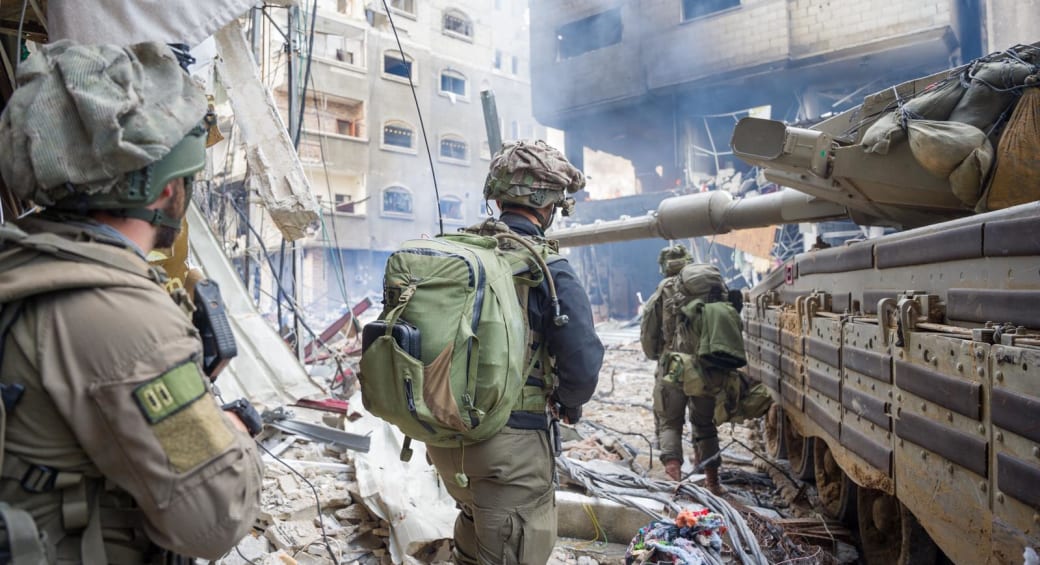
Sending in the Israeli army to occupy Gaza, as ordered by Israel’s Security Cabinet, could backfire on several levels. After all, Israel has been there before—and failed.
- Militarily: Sending Israeli soldiers into Gaza City would drop Israel into a bottomless quagmire of terror and casualties.
- Politically: Prime Minister Benjamin Netanyahu’s pledge of “total victory” would crumble.
- Diplomatically: Occupation of Gaza and herding a million more Gazans out of their homes would make Israel into a pariah state—again.
Here’s the myth about Israel’s unilateral evacuation of Gaza in 2005: Bucolic, peaceful, happy settlements, where 8,500 rugged Israeli pioneers lived beautiful lives tilling the soil and working their greenhouses, were suddenly uprooted when the cruel Israeli government kicked them out for no reason.
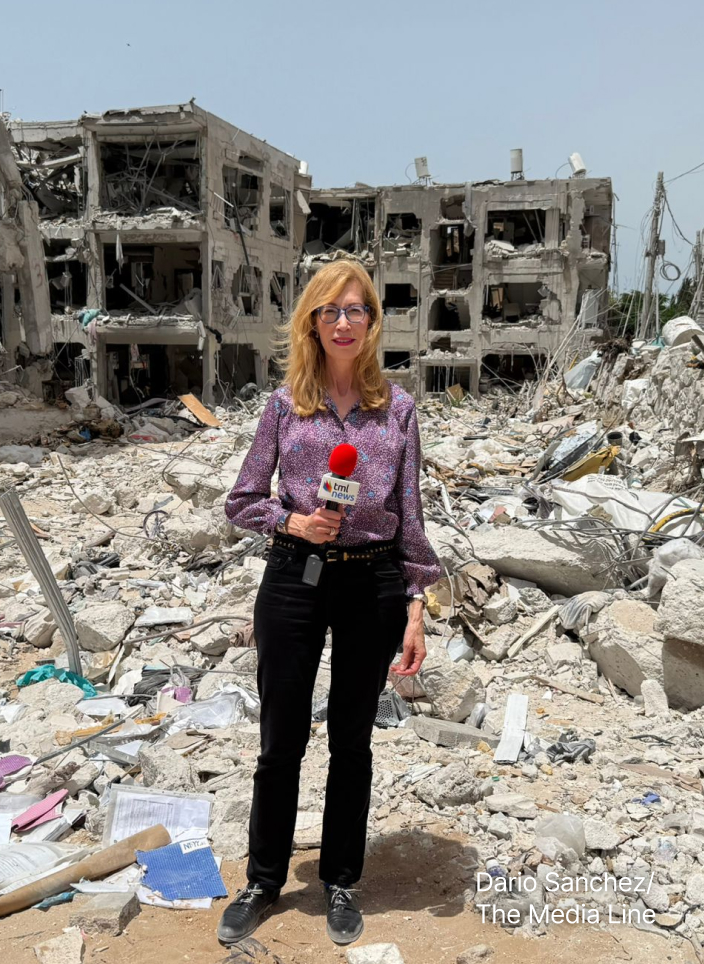
The reality was harshly different. As a reporter who spent at least one day a week in Gaza back then, I saw it for myself. Settlers complained and complained that the army was not protecting them, and that was true: Every day Palestinians lobbed mortar shells and fired rockets at the settlements, and the army was helpless to stop them, despite its full occupation of Gaza.
In the last five years of Israel’s occupation, 140 Israelis were killed, most of them soldiers. But now, the government says, the plan is to move the Palestinian civilians out, giving soldiers a free hand to eliminate the terrorists. Yes, well, how has that worked so far? It’s the same formula Israel has been using since the day after the Hamas pogrom on Oct. 7, 2023, when Hamas terrorists killed more than 1,000 Israelis and kidnapped 240 others. Nearly 900 soldiers have been killed in Gaza combat since the Hamas cross-border massacre.
Now, instead of facing 1990s gunfire and mortar salvos, Israeli soldiers face Hamas tunnels, many still intact despite nearly two years of Israeli operations to blow them up. We’re already seeing daily attacks by terrorists who pop out of tunnels like moles, take potshots or set off explosives, often killing or wounding soldiers, and then escape back underground.
This is the point for “full disclosure.” I have three grandkids in uniform. One of them served a year in Gaza. A fourth is about to be mobilized.
After all, it runs in the family. Their father was on army reserve duty in Gaza more than two decades ago when I called him from my hometown in central Israel. I was walking the dog, and it was Purim, a joyous Jewish holiday celebrated in part with fireworks and cap pistols. Concerned that he might think something serious was going on here, I assured him all the “gunfire” was just Purim.
Give the gift of hope
We practice what we preach:
accurate, fearless journalism. But we can't do it alone.
- On the ground in Gaza, Syria, Israel, Egypt, Pakistan, and more
- Our program trained more than 100 journalists
- Calling out fake news and reporting real facts
- On the ground in Gaza, Syria, Israel, Egypt, Pakistan, and more
- Our program trained more than 100 journalists
- Calling out fake news and reporting real facts
Join us.
Support The Media Line. Save democracy.
He replied, “Dad, down here, every day is Purim.” Does anybody really want that again? Some horrified Israelis even hope that the order to reoccupy Gaza is a bluff meant to force Hamas to free the hostages or, at least, negotiate seriously.
Polls show that Israelis want their leaders to end the war and retrieve the hostages. There is no guarantee that ending the war and withdrawing from Gaza would win freedom for the 50 remaining hostages, perhaps 20 of them somehow still alive—but that’s what the people want.
Netanyahu’s incompatible goals of “total victory” over Hamas and freedom for all the hostages have never been attainable. The predictable disaster of sending soldiers into heavily populated and terrorist-controlled parts of Gaza would further erode support for Netanyahu’s government, already lacking a majority in the parliament—especially if Netanyahu gives in to pressure from the extremist wing of his government again and allows Israeli settlement there.
Elections are set for October 2026, but the cascading disasters might trigger a revolt inside the parliament by backbenchers who realize that pursuing an endless, bloody war in Gaza would result in voters kicking them out on their ears—bringing the elections forward.
Either way, occupying Gaza would probably be Netanyahu’s last major move as Israel’s prime minister. He could still gain sympathy by accepting some blame for allowing the Oct. 7 massacre to happen, but if he hasn’t done that yet, he’s not likely to break the mold now.
Because of its mishandling of Gaza, Israel’s diplomatic standing has never been lower. Israel was called a “pariah state” in the late 1980s over its refusal to compromise with the Palestinians. Famously, then-US Secretary of State James Baker ended a fruitless Mideast mission in Jerusalem by reciting the White House switchboard number and grumbling, “When you’re serious about this, call us.”
The response to Israel’s occupying Gaza, moving another million civilians out of their homes to tent cities, would make the 1980s isolation feel like a frat party. There would be economic boycotts and arms embargoes. Hard-earned partnerships with world scientists, businesses, and universities would evaporate. Worse, the most significant diplomatic achievement of the century, the Abraham Accords peace agreements between Israel and moderate Arab nations, already damaged, would implode. It might even endanger the greatest Israeli diplomatic achievement ever—its peace treaty with Egypt.
All this to avoid admitting that Israel lost the war with Hamas—though Israel had already lost when it failed to prevent the Hamas pogrom of October 7, 2023. There was, is, no coming back from that—even though Israel’s harsh countermeasures were defensible in the former world where justice and fairness played parts.
But this is today’s post-truth world. Facing that reality, Israel needs to withdraw from Gaza, regroup, elect a new leadership, and work on repairing all the diplomatic damage. This was never a war that could be won with overwhelming military might.
That’s to say—occupying Gaza is the opposite of what Israel needs to do to start healing itself and its relations with the world.
