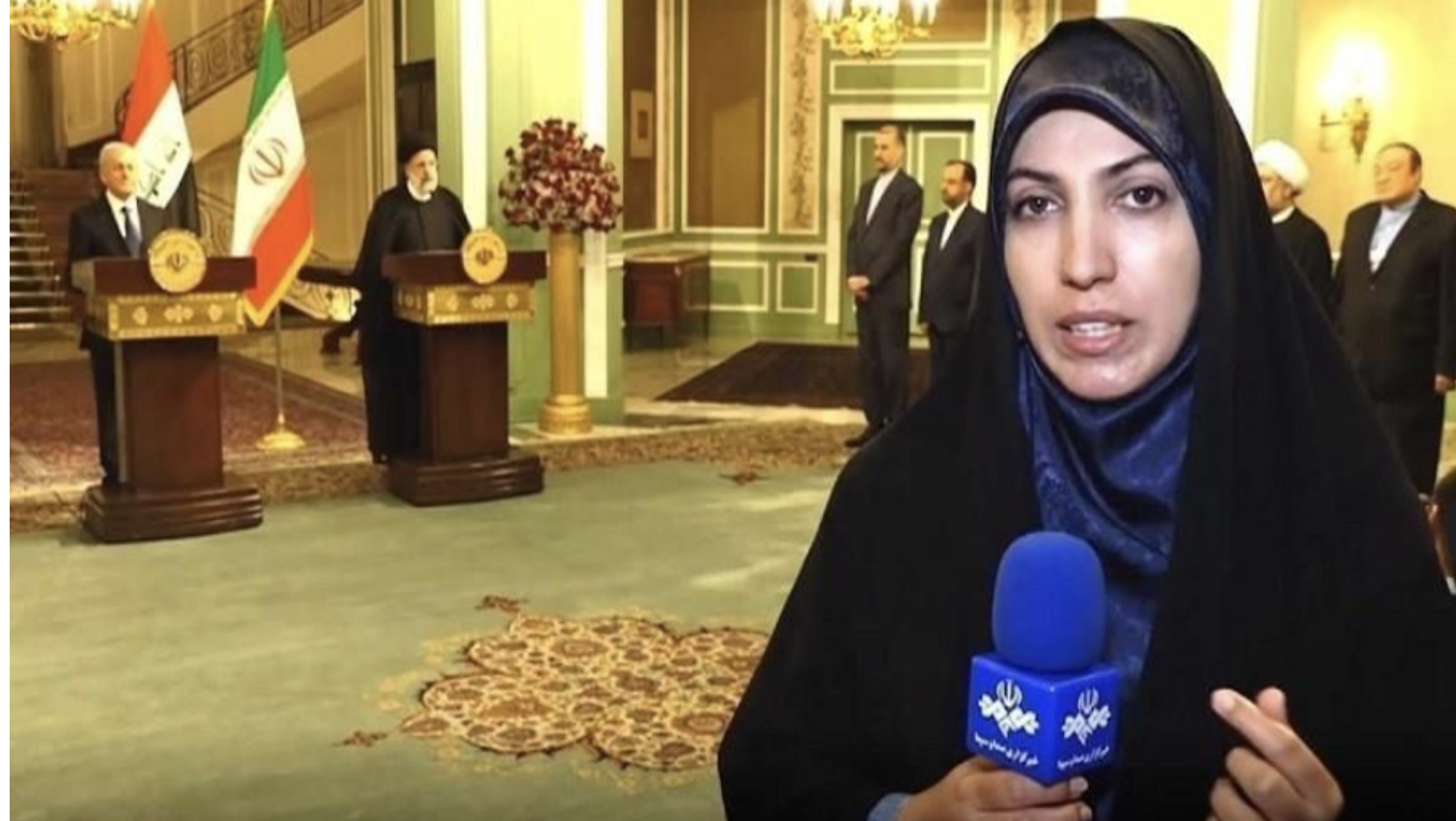
Iran’s State Broadcaster in Crisis After Mass Killing of Protesters
IRIB employees are increasingly viewed as the Islamic Republic’s propagandists for the regime, and some staff are trying to quit their jobs despite threats and economic hardship
More than a month after the unprecedented mass killing of protesters in Iran, the country’s most important political propaganda institution, state broadcaster IRIB, has been struggling with an extraordinary internal crisis.
An employee in the production department of the Islamic Republic’s state television told The Media Line that since January 8, the number of staff failing to report to work, calling in sick, or requesting resignation or early retirement has risen so sharply that IRIB’s security and human resources departments have issued repeated internal directives warning employees against absenteeism, underperformance, or feigned illness.
According to the same source, a confidential internal memo from the vetting department instructed senior managers to immediately report any “suspicious behavior” to internal security and vetting authorities so that “severe action” could be taken against the individual concerned.
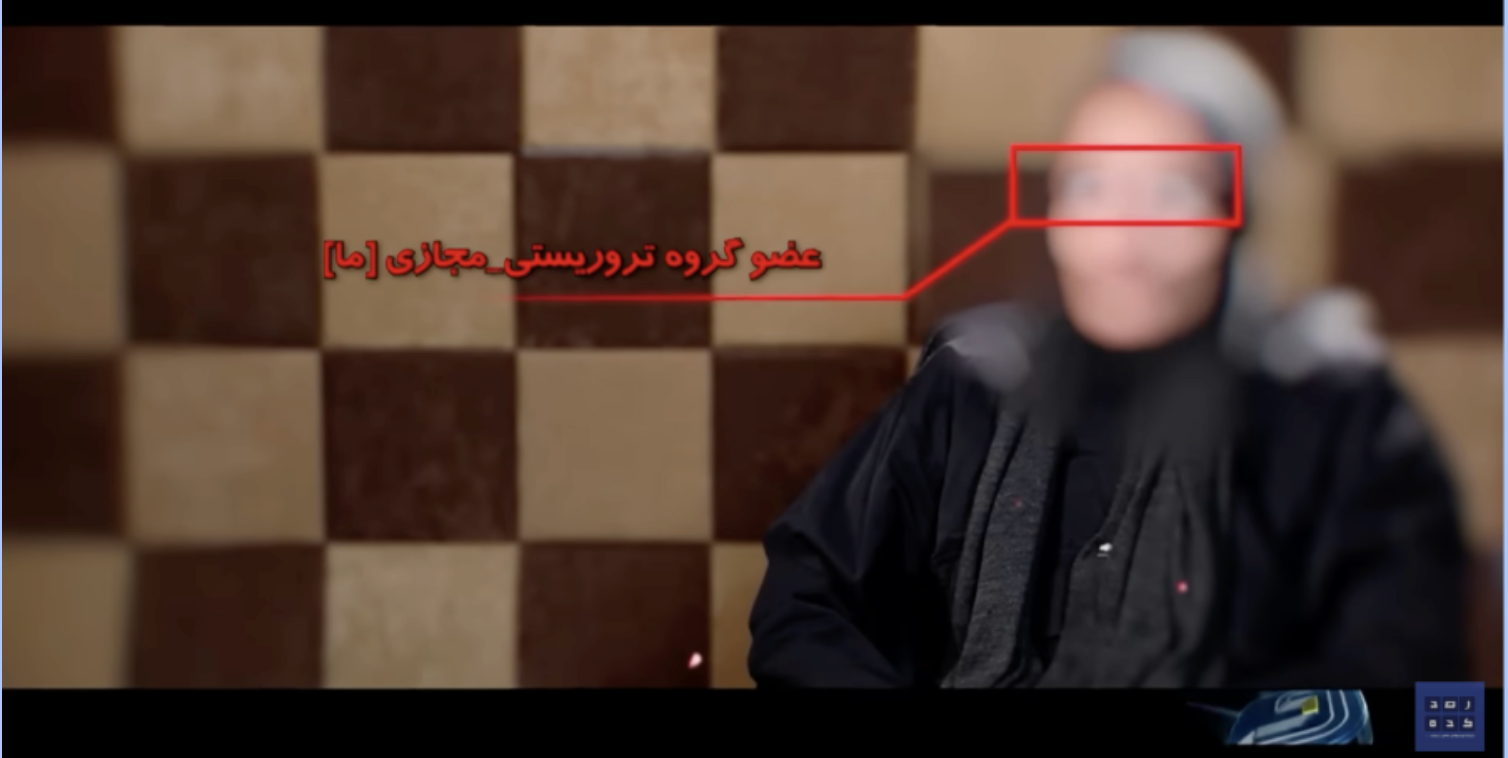
Reports broadcast by IRIB built on fabricated charges and forced televised confessions extracted under torture—are part of the regime’s propaganda machinery against protesters and have fueled widespread public hatred. (Screenshot: IRIB’s 20:30 News)
This wave of demoralization and loss of motivation has extended even to the most security-sensitive division of IRIB; the Political Department (Moavenat Siasi), which oversees editorial policy, political research, national and international news output, and Shabake Kahaber, the 24-hour news channel. Several employees in this department have reportedly been repeatedly summoned by internal security.
In recent years, unlike the past, when most newsroom staff were freelancers or short-term contractors, IRIB’s central vetting office has made formal employment and full ideological and security clearance a prerequisite for working in news operations. As a result, it has become nearly impossible for anyone without an established security record and intelligence agency approval to enter the organization, even in technical roles.
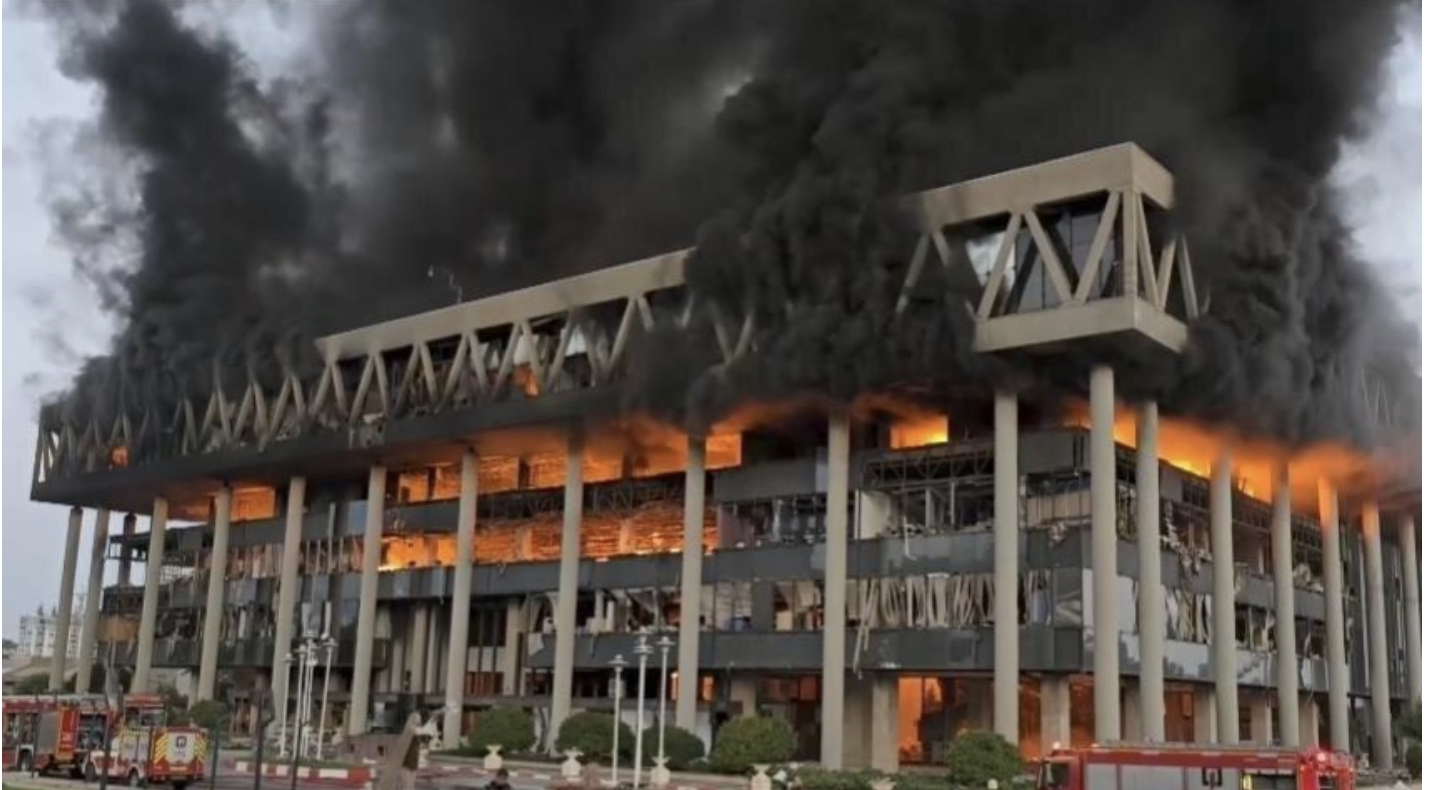
Israel’s attack during the 12-day war on the IRIB News building and the Political Affairs Department was met with celebration by many Iranian social media users, highlighting the depth of public hatred toward state television. (Screenshot: IRIB News)
The IRIB employee said internal security has identified several staff members in sensitive departments as “subjects” or “suspects,” including individuals with relatives in opposition groups inside or outside Iran, those accused of expressing criticism, protesting internally, or showing increased absenteeism or declining productivity. These measures have prompted some dissatisfied employees to seek separation from service under various pretexts to avoid being targeted by internal security or vetting bodies.
During the January protests and especially following the violent crackdown, IRIB aired numerous reports portraying the demonstrations, which initially erupted over soaring prices, rampant inflation, and the collapse of the national currency, as the work of officially designated opposition groups, including monarchists, leftists, and the Mojahedin-e-Khalq organization. These narratives were intended to build legal cases to justify harsh crackdowns. In Iran, such televised reports and forced confessions often serve as a prelude to death sentences and executions.
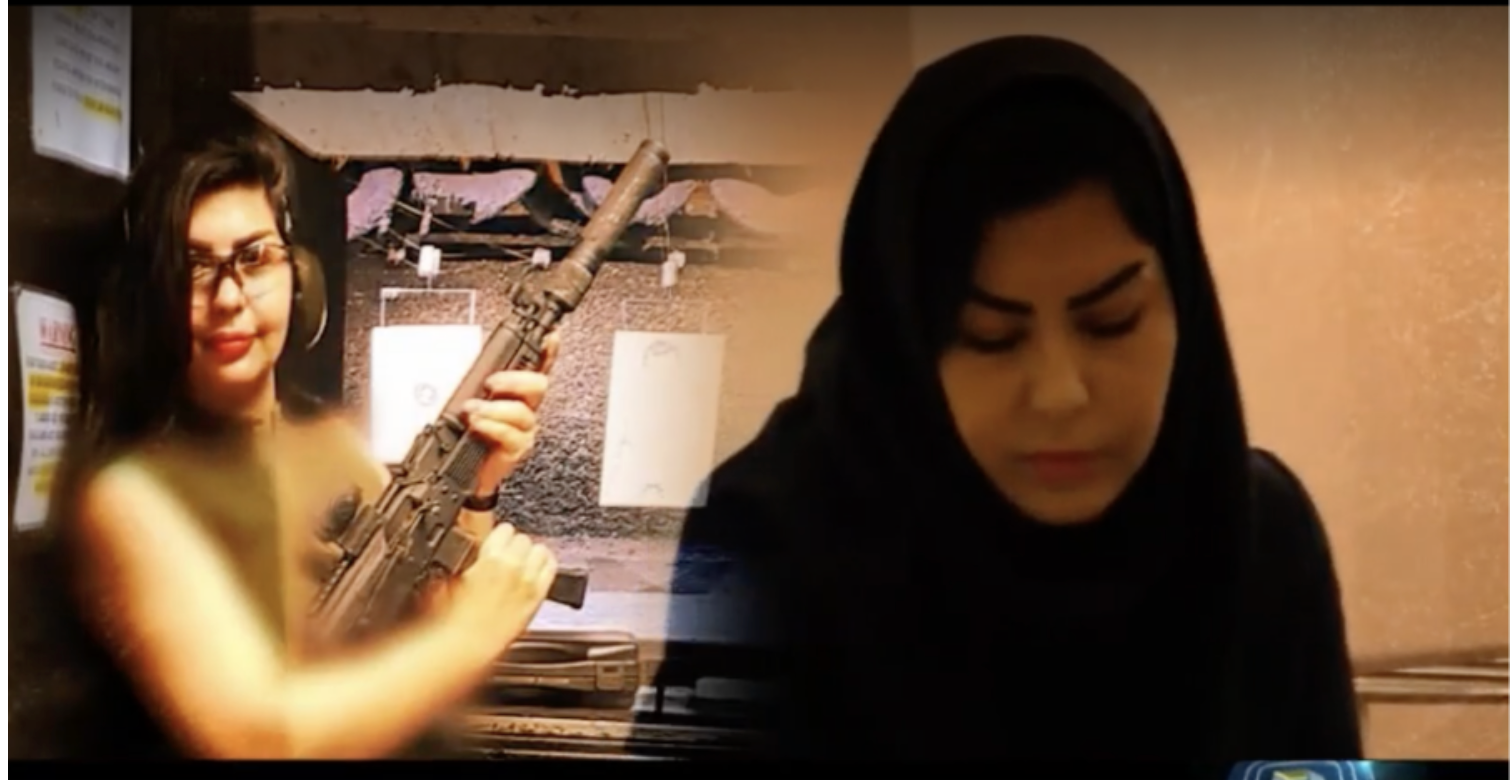
Ameneh Sadat Zabihpour, an IRIB “interrogator-reporter,” has in recent days been producing multiple reports aimed at building fabricated cases against supporters of monarchism, MEK, and leftist groups in Iran. In one of her recent reports, she claimed that the field leader of monarchist supporters in Iran had been arrested. (Screenshot: IRIB)
These manufactured cases are typically presented in news segments produced by a small group of security-linked figures whom critics describe as “interrogator-reporter.” The reports rely on forced confessions extracted under torture, manipulated footage, fabrication, distortion, and other propaganda techniques reminiscent of Goebbels-style information warfare.
The goal is to convince audiences—or at least regime loyalists—that armed opposition groups were attempting a “coup” during the nationwide mass protests. Even Iran’s own intelligence agencies are widely believed to have no confidence in this claim, which is primarily used to justify the killing of protesters and the shoot-to-kill orders issued by Ali Khamenei and the Supreme National Security Council.
Give the gift of hope
We practice what we preach:
accurate, fearless journalism. But we can't do it alone.
- On the ground in Gaza, Syria, Israel, Egypt, Pakistan, and more
- Our program trained more than 100 journalists
- Calling out fake news and reporting real facts
- On the ground in Gaza, Syria, Israel, Egypt, Pakistan, and more
- Our program trained more than 100 journalists
- Calling out fake news and reporting real facts
Join us.
Support The Media Line. Save democracy.
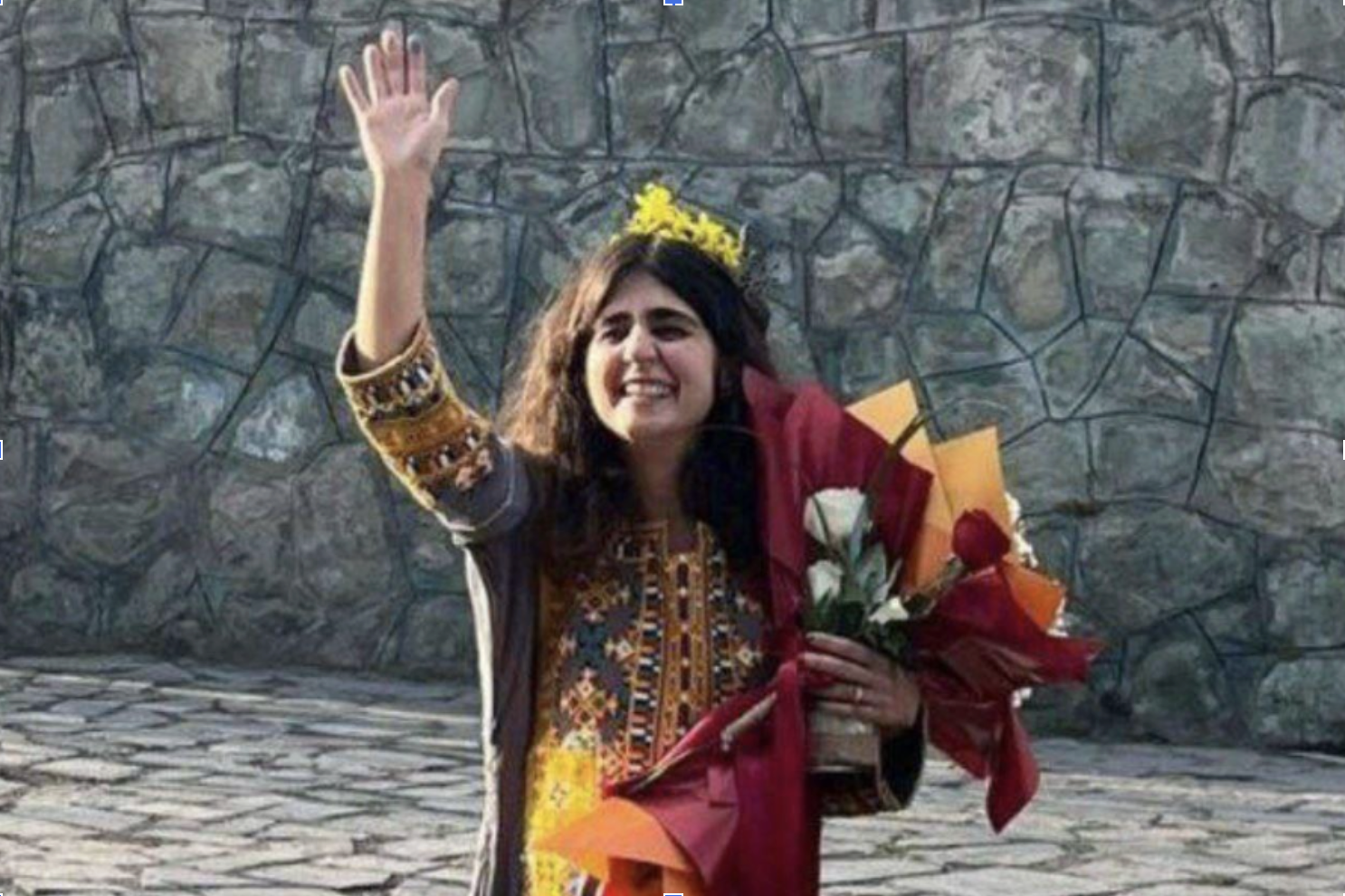
Sepideh Qolian, a prominent leftist activist, accused Ameneh Sadat Zabihpour, a producer of security-related reports for IRIB, of having been present during her interrogation. (Screenshot: IRIB)
Sepideh Qolian, a prominent left-wing political activist who has been imprisoned multiple times in recent years, was last arrested two weeks before the protests began during a gathering in Mashhad protesting the killing of human rights lawyer Khosrow Alikordi. She was violently detained alongside Nobel Peace Prize laureate Narges Mohammadi and several other women and opposition figures, and little information is currently available about her fate.
Qolian previously stated that Ameneh Sadat Zabihpour, one of several IRIB “interrogator-reporters” who produce fabricated cases against dissidents at the request of the Islamic Revolutionary Guards Corps Intelligence Organisation, was present during her interrogation following her 2019 arrest and dictated a script for her forced televised confession.
After Qolian was re-arrested during the “Woman, Life, Freedom” protests, Zabihpour accused her of espionage and filed a lawsuit against her for spreading falsehoods. In a defiant act, Qolian appeared in the Islamic Revolutionary Court without a compulsory hijab and spat in Zabihpour’s face.
In recent days, several well-known figures who had appeared for years on IRIB—particularly in religious programming—have publicly demanded that their work no longer be broadcast by IRIB. Among them is actor Fariborz Arabnia, who sharply criticised IRIB in an Instagram video, calling it a “filthy, black, and sinister box.” In an unprecedented statement among artists who previously earned large sums from IRIB productions, Arabnia also said he opposes monarchy and supports a Democratic Republic for Iran’s post-Islamic Regime future.
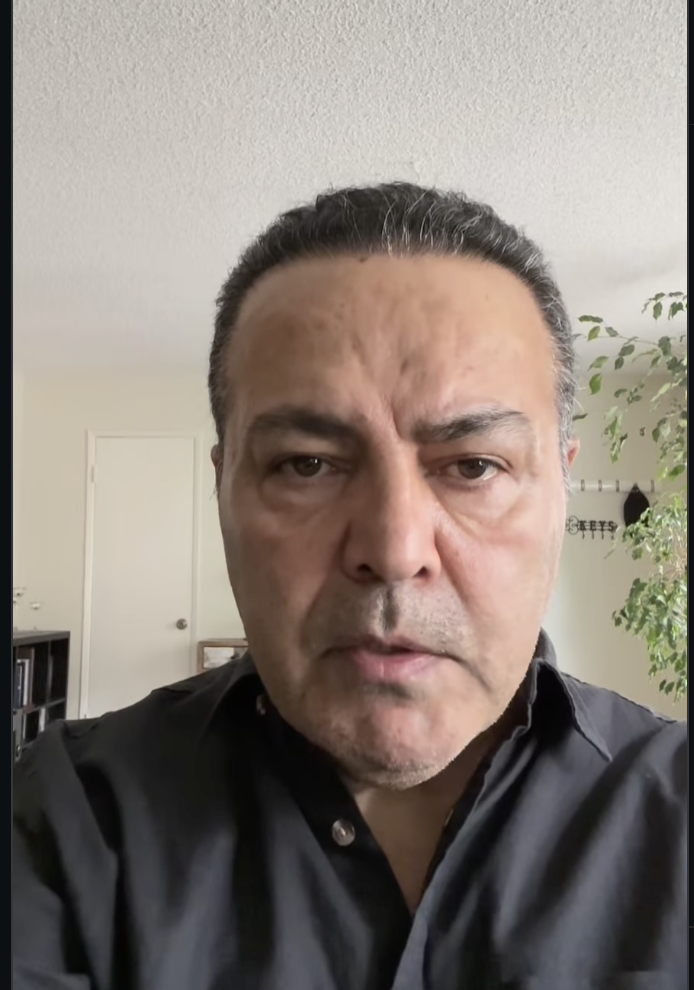
Actor Fariborz Arabnia criticizes IRIB in an Instagram post. (Screenshot: Instagram)
IRIB employs roughly 50,000 people, only a portion of whom—excluding the Political Department—are formally employed permanently. Its annual budget exceeds $1 billion at the official exchange rate, and it generates additional revenue equivalent to nearly half of that amount through advertising. Structurally, however, IRIB is accountable only to the Supreme Supervisory Council, whose members are appointed by the regime’s executive, legislative, and judicial branches.
The head of IRIB is appointed directly by Ali Khamenei and remains in constant contact with him or his office. Confidential IRIB reports and internal polling summaries are also sent to Khamenei’s office.
Over the past decade, some IRIB staff, particularly those stationed abroad, including at Press TV, have left the organization to join Persian-language outlets such as Iran International. This has not only damaged IRIB but has also created security vulnerabilities, as these former employees possess extensive networks and detailed knowledge of the organization’s internal weaknesses.
During the same period, the rise of Persian-language satellite channels and social media, despite censorship, jamming, and associated risks, has sharply reduced public trust in IRIB. Even official government surveys indicate that only about 24 percent of the population expresses even relative trust in state radio and television news, while other surveys suggest that total viewership across IRIB’s numerous TV channels has fallen to just less than 12 percent.
Although many people, especially younger, educated Iranians, no longer watch IRIB, clips from its programs attacking the opposition routinely provoke widespread anger on social media. Just days after protesters were killed in the streets, while families were still searching among the dead for loved ones, the program Khat-Khati on Ofogh TV—directly run by the cultural arm of IRGC—outraged the public by joking about how protesters’ bodies were being stored. The broadcast was so offensive that, in addition to a social media backlash, it drew criticism even from domestic outlets.
Ofogh TV, a channel affiliated with Islamic Republic of Iran Broadcasting (IRIB), mocked the killing of protesters during the January 2026 protests in a televised program. In a derisive segment, the program’s host posed a question about the whereabouts of those killed, asking,… pic.twitter.com/RV9amHvM87
— Iranhrdc.org (@IHRDC) February 1, 2026
As a result, Ofogh TV’s director, Sadegh Yazdani, was dismissed, and the program was taken off the air. The host later issued an Instagram apology in his own style, which only intensified public resentment. The prosecutor also announced legal action against the channel’s director and the program’s producers over their “possible ulterior motives.”
According to an IRIB employee, just as security, military, and intelligence forces are now widely despised for their role in the killings, IRIB employees are increasingly viewed as the Islamic Republic’s propagandists for a regime that shoots citizens in the streets and executes wounded protesters. As a result, some staff, especially non-permanent employees who resent their jobs, are trying to quit despite threats and severe economic hardship.
