Missiles Across Israel: A Nation Under Expanding Fire
It began, as these things do, with sirens—and then the sky itself seemed to crack open.
Over a matter of hours, Israel absorbed a string of strikes from Iran and its proxy Hezbollah, a rolling barrage that stretched from the Tel Aviv area to Dimona, from Arad to the northern border. This was not a single flashpoint but a sequence: heavier warheads, wider impact zones, and mounting evidence that densely populated areas are firmly in the crosshairs.
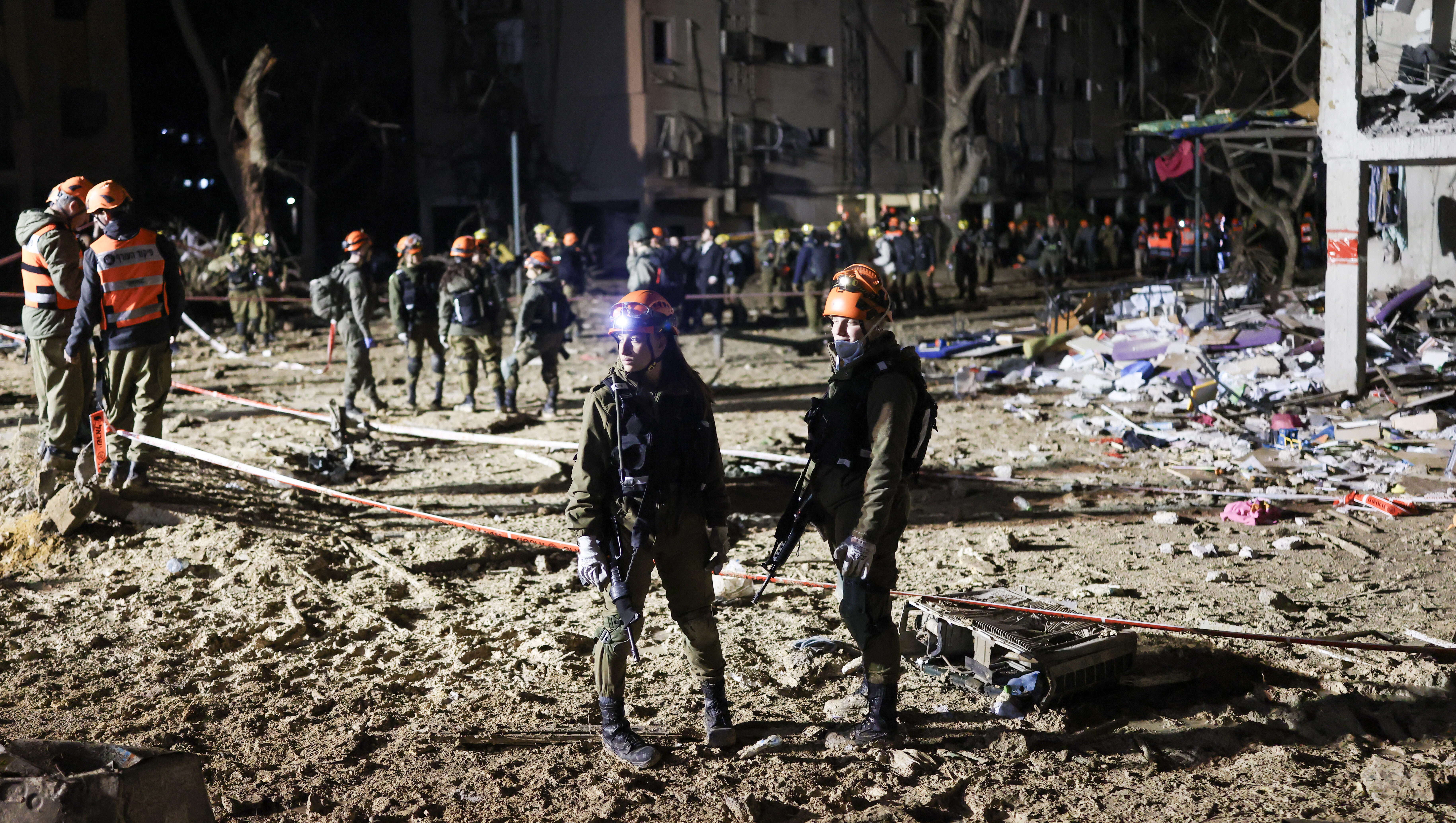
In central Israel, a cluster missile detonated over the Tel Aviv region, dispersing submunitions across multiple sites. Buildings and vehicles were hit, and at least 15 people were wounded. These weapons are designed to spread destruction rather than pinpoint it, turning one missile into dozens of hazards on the ground and complicating interception efforts midair.
Give the gift of hope
We practice what we preach:
accurate, fearless journalism. But we can't do it alone.
- On the ground in Gaza, Syria, Israel, Egypt, Pakistan, and more
- Our program trained more than 100 journalists
- Calling out fake news and reporting real facts
- On the ground in Gaza, Syria, Israel, Egypt, Pakistan, and more
- Our program trained more than 100 journalists
- Calling out fake news and reporting real facts
Join us.
Support The Media Line. Save democracy.
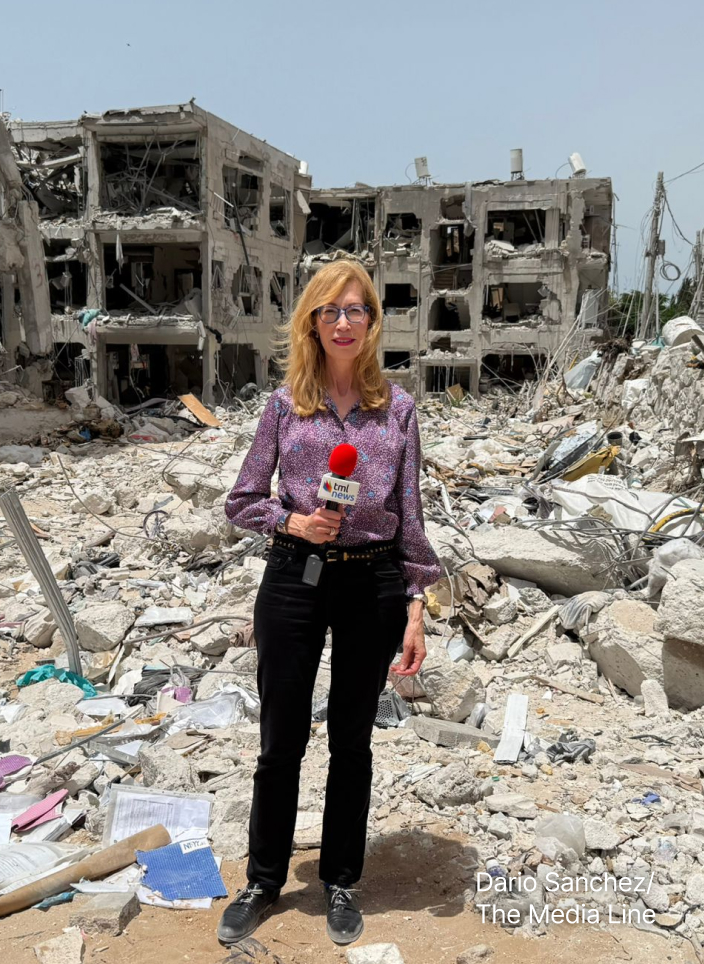
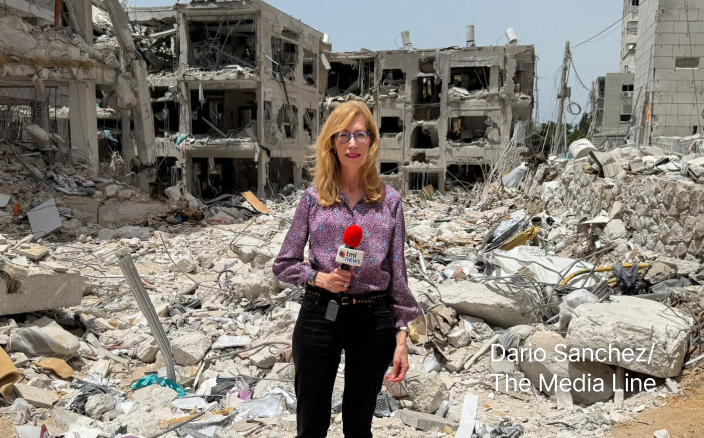
Further south, the damage intensified. In Arad, a direct missile strike triggered what officials described as a mass-casualty event, with at least 84 people injured, including a 5-year-old in serious condition. Emergency responders moved through debris and damaged structures, racing to locate victims and stabilize the wounded.
Dimona, home to Israel’s most sensitive strategic facilities, was also struck. Thirty-four people were reported injured as Iran framed the attack as retaliation for US-Israeli operations targeting its nuclear infrastructure. There were no immediate indications of damage to critical facilities, but the symbolism—and the risk—were unmistakable.
Meanwhile, in the north, Hezbollah opened another front. A rocket strike near the border killed one man and ignited a vehicle, adding to the sense that Israel is now facing sustained pressure from multiple directions at once.
Jerusalem was drawn in under especially sensitive circumstances. During Eid al-Fitr, Israeli authorities barred Muslim worshippers from entering the Al-Aqsa Mosque compound, citing security concerns tied to the broader escalation. At the same time, debris from an intercepted Iranian missile struck inside the Old City, landing near key religious and residential areas and causing localized damage. No casualties were reported, but the timing—on one of the holiest days of the Muslim calendar—added a sharp emotional and political edge to the incident.
Taken together, these incidents point to a clear trajectory: evolving tactics, broader targeting, and the growing impact of even a single missile breaching Israel’s air defenses. The pattern is no longer sporadic—it is becoming routine.
For those trying to grasp the scale and reality of what unfolded, it is worth reading the full reports and watching the videos. The raw details—the injuries, the destruction, the moments captured on camera—bring the story into sharp, unsettling focus.
