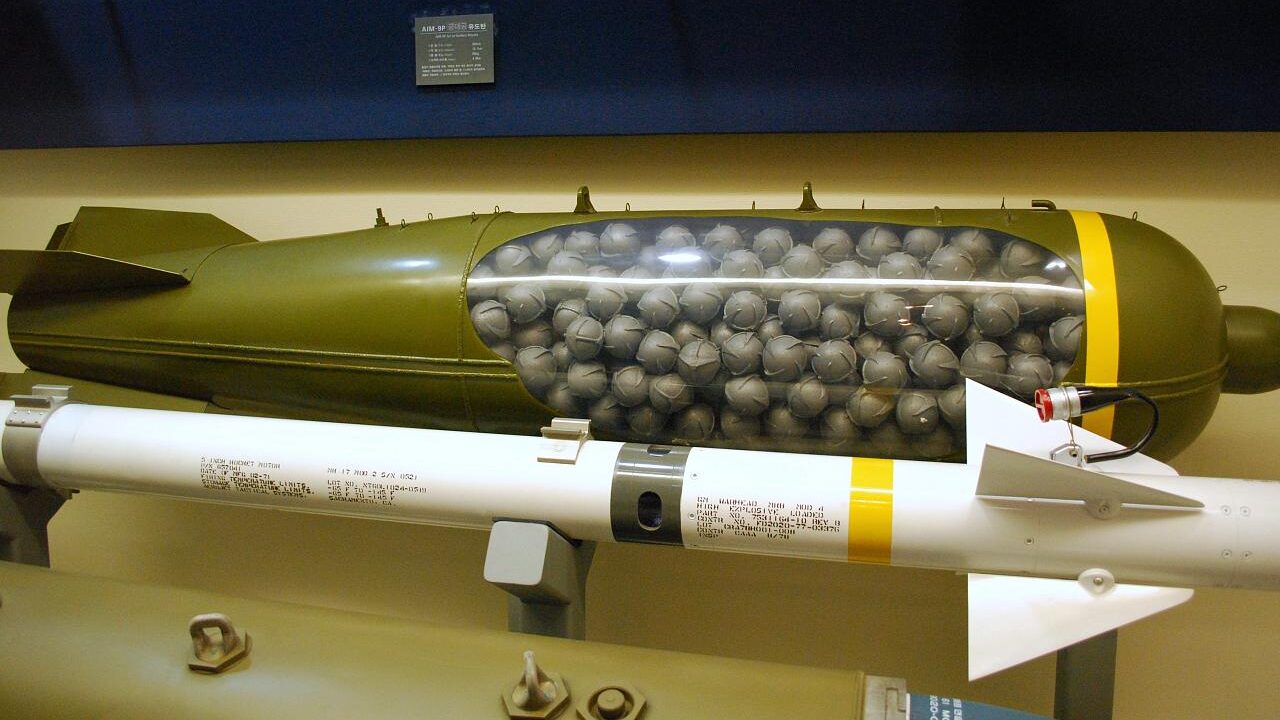
Israeli Missile Expert Warns Iran’s Cluster Warheads Must Be Stopped Early
Gabriel Colodro’s interview with Dr. Uzi Rubin is the sort of piece that strips away the flashy jargon and gets down to the cold mechanics of survival. Rubin, one of the architects of Israel’s missile defense system, offers a blunt rule about Iran’s cluster-warhead missiles: once the warhead opens and the bomblets scatter, the battle is already lost. At that stage, you are no longer trying to stop one missile. You are dealing with a spreading cloud of smaller explosives, and the window for prevention has slammed shut.
That, Rubin says, is why altitude and timing matter more than drama. A ballistic missile carrying a cluster warhead has to be intercepted before the payload peels open. If it is destroyed high enough, while still in one piece, the threat can be neutralized. If not, defense turns into cleanup. It is a grim equation, but a simple one.
Give the gift of hope
We practice what we preach:
accurate, fearless journalism. But we can't do it alone.
- On the ground in Gaza, Syria, Israel, Egypt, Pakistan, and more
- Our program trained more than 100 journalists
- Calling out fake news and reporting real facts
- On the ground in Gaza, Syria, Israel, Egypt, Pakistan, and more
- Our program trained more than 100 journalists
- Calling out fake news and reporting real facts
Join us.
Support The Media Line. Save democracy.

Colodro lets Rubin walk readers through the weapon in plain language. A cluster warhead is not built to smash one target with a single massive blast. It is built to scatter many smaller bomblets across a broader area, making it especially dangerous for troops in the open or unprotected sites. Rubin compares the effect of each bomblet to a Grad rocket from Gaza: smaller than a full ballistic warhead, but still quite capable of killing people and wrecking lives.
One of the article’s most useful points is its demolition of a common public misconception. Iron Dome, the defensive system most people outside Israel know by name, is not meant for this kind of threat. Rubin says that job belongs to Arrow, which is designed to intercept long-range ballistic missiles high above Israeli territory. In other words, the right system has to meet the missile early, before gravity and physics take over. Miss that moment, and no slogan will save you.
Near the end, Colodro makes clear that Rubin does not see Iran’s cluster warheads as some revolutionary new terror weapon. The real issue is the tiny margin for stopping them. It is a sharp, highly readable interview that explains a technical subject without talking down to readers. Read the full article, and watch the video interview too. This is one of those cases where the details really matter.
