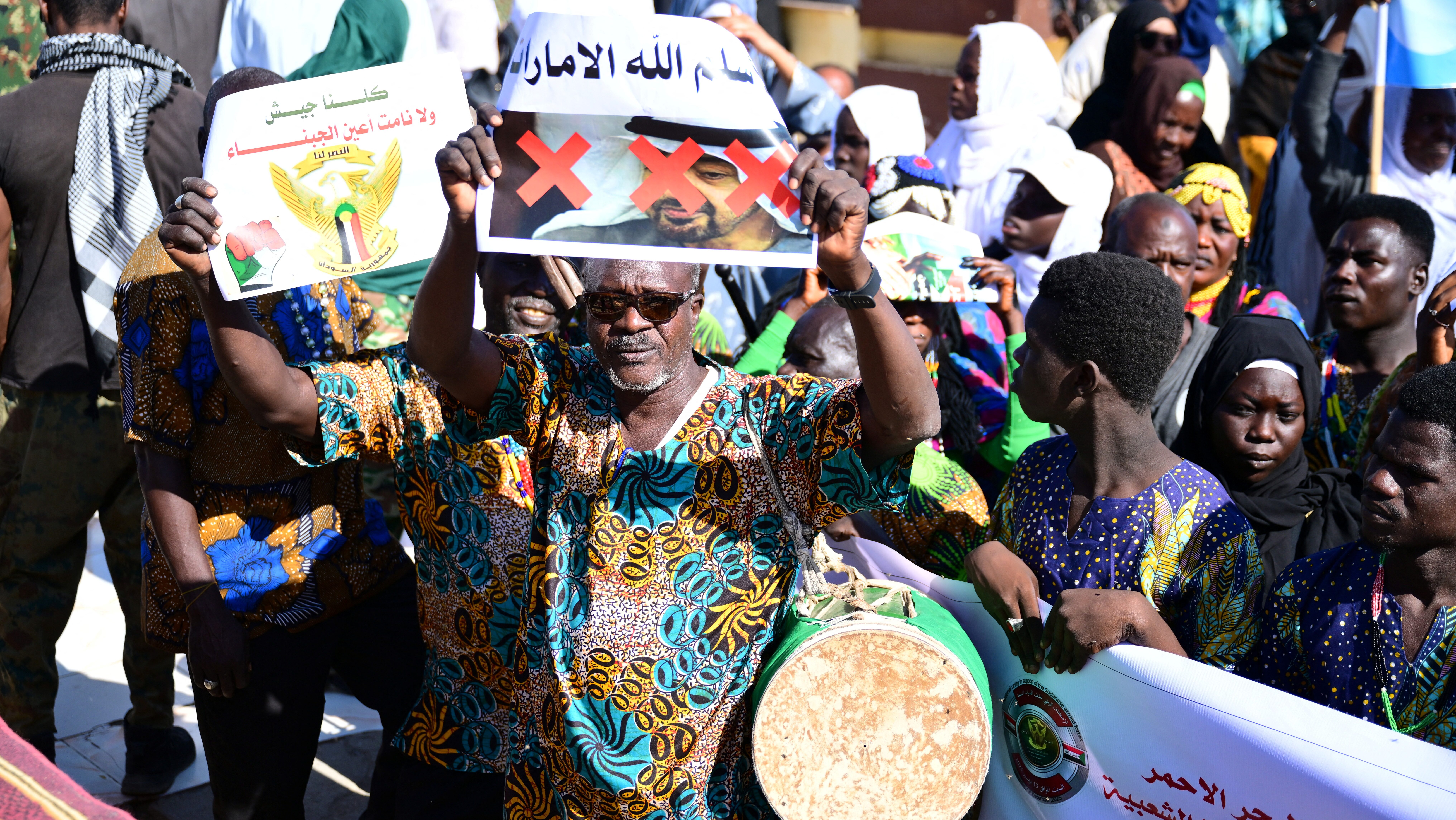
Sudan’s War Spills Into the Horn as Gulf Strategies Collide on Red Sea Security
A war that began as Sudan’s internal power struggle is starting to look like a regional logistics problem—one with training sites, ports, and maritime chokepoints on the line. Giorgia Valente traces how the conflict is increasingly intersecting with the Red Sea and the Horn of Africa, turning neighboring territory into potential depth for combatants and turning sea-lane security into a central strategic obsession.
The immediate trigger is international reporting that Ethiopia may be hosting UAE-supported training facilities linked to Sudan’s Rapid Support Forces (RSF). The reporting remains contested and politically sensitive, and Valente makes clear that the information environment around Sudan is thick with propaganda, rumors, and selective leaks. Even so, the allegations matter because they fit a broader pattern: the war’s geography is expanding beyond Sudan’s borders, and outside actors are reading that expansion through their own security doctrines.
Give the gift of hope
We practice what we preach:
accurate, fearless journalism. But we can't do it alone.
- On the ground in Gaza, Syria, Israel, Egypt, Pakistan, and more
- Our program trained more than 100 journalists
- Calling out fake news and reporting real facts
- On the ground in Gaza, Syria, Israel, Egypt, Pakistan, and more
- Our program trained more than 100 journalists
- Calling out fake news and reporting real facts
Join us.
Support The Media Line. Save democracy.
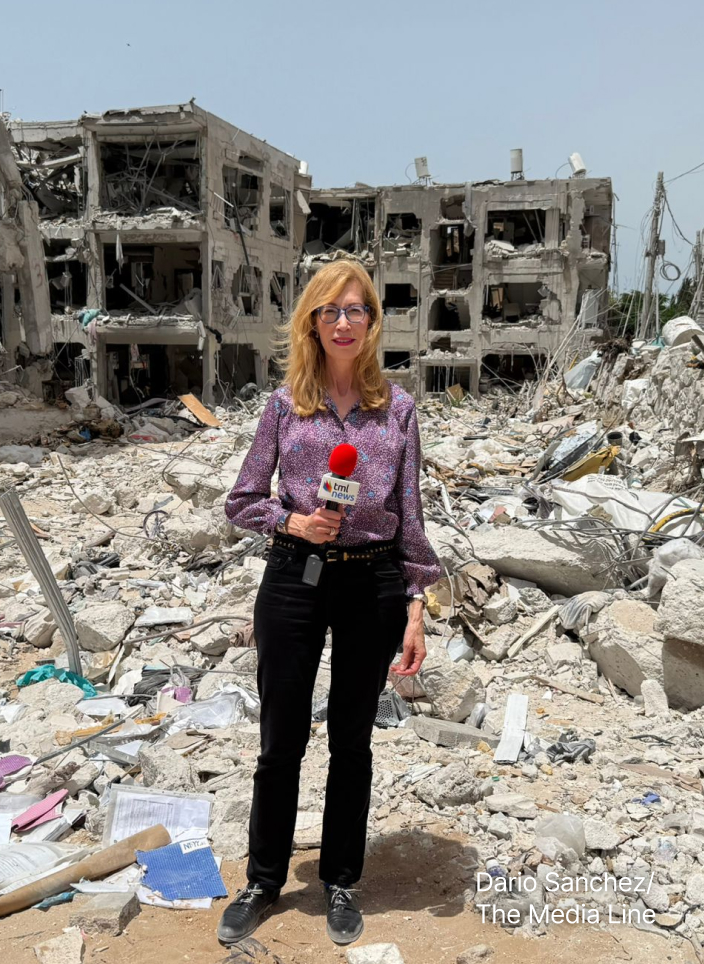

Abdulaziz Alshaabani, a Saudi political analyst, argues Riyadh’s frame is stability, not proxy rivalry. He urges caution absent confirmation from multiple credible sources and says Saudi Arabia has focused on de-escalation, mediation, and containment—aimed at limiting spillover that could disrupt shipping, fuel arms flows, or intensify irregular migration across a critical maritime corridor. In his view, preventing state collapse and fragmentation outweighs any appetite for competitive security arrangements inside Sudan.
Cyril Widdershoven of Strategy International offers the harder-edged interpretation: if reports of a large camp in Ethiopia’s Benishangul-Gumuz region training thousands of RSF fighters are accurate, that is operational support and “power projection by proxy,” potentially feeding Sudan’s Blue Nile front. He links Sudan to wider Saudi-UAE competition, arguing diverging strategies associated with Mohamed bin Zayed Al Nahyan and Mohammed Bin Salman are playing out across the Red Sea arena, with echoes of Yemen’s shifting influence tools.
Both analyses land on the same point: Sudan is no longer an isolated conflict. Read the full piece for Valente’s granular breakdown of how onshore wars, offshore routes, and Gulf strategy are now tangled together.
